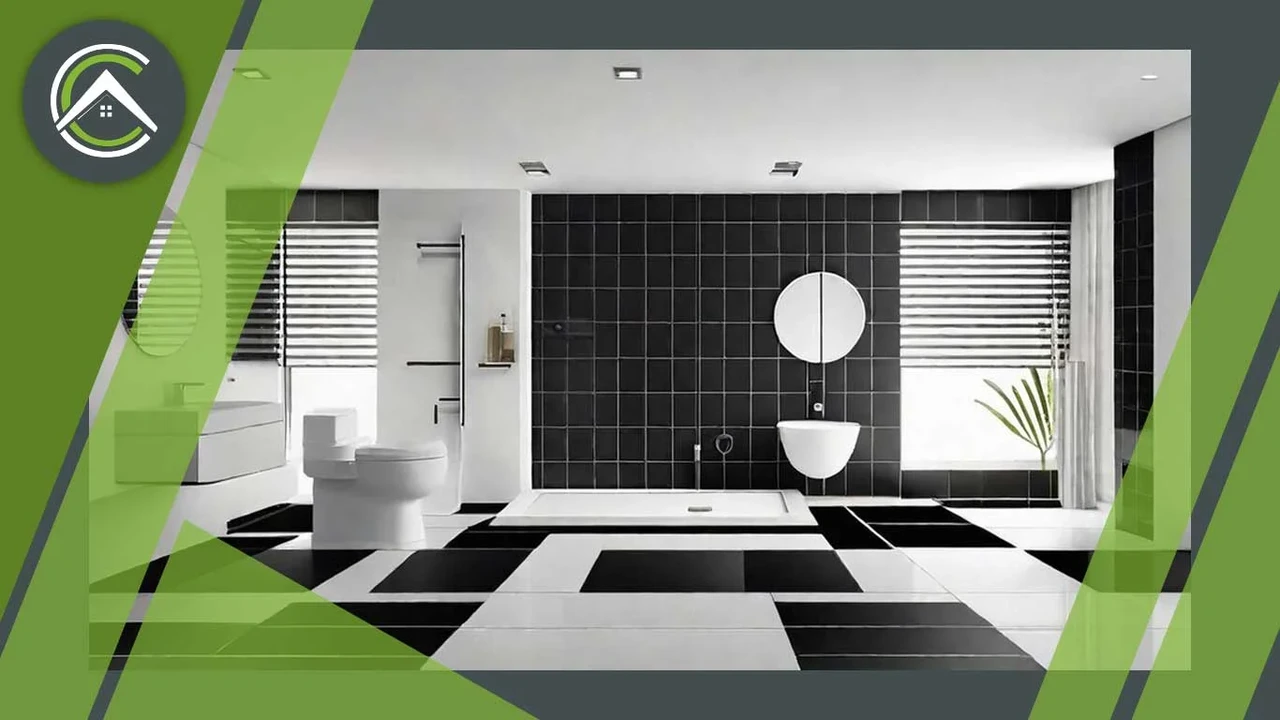
Top 5 Smart Home Devices for Energy Savings
Discover the 5 best smart home devices to reduce energy consumption and save on utility bills. Make your home more efficient.
Discover the 5 best smart home devices to reduce energy consumption and save on utility bills. Make your home more efficient.
Top 5 Smart Home Devices for Energy Savings
Smart Thermostats Your Gateway to Energy Efficiency
Let's kick things off with smart thermostats, arguably the most impactful smart home device for cutting down on energy use. These aren't your grandma's clunky dial thermostats. Smart thermostats learn your habits, understand your home's insulation, and even factor in local weather forecasts to optimize your heating and cooling. The goal is simple: keep you comfortable while using the least amount of energy possible. They do this by automatically adjusting temperatures when you're away, pre-cooling or pre-heating before you arrive, and even identifying peak energy usage times to help you avoid them.
Why Smart Thermostats Are a Must-Have for Energy Savings
- Learning Capabilities: Many models, like the Nest Learning Thermostat, observe your temperature preferences over time and create an optimized schedule. No more manually adjusting the thermostat every day.
- Remote Control: Forgot to turn down the AC before leaving for vacation? No problem. Control your thermostat from anywhere using your smartphone. This alone can save a significant amount of energy.
- Geofencing: This feature uses your phone's location to know when you're home or away, automatically adjusting the temperature accordingly. As you leave, it can set back the temperature, and as you approach home, it can start bringing it back to your preferred comfort level.
- Energy Reports: Most smart thermostats provide detailed energy usage reports, showing you exactly where your energy is going and offering tips for further savings. This data empowers you to make smarter decisions about your energy consumption.
- Integration with Other Smart Devices: They often integrate with other smart home systems, like smart lighting or smart blinds, to create a holistic energy-saving ecosystem.
Comparing Top Smart Thermostat Products
1. Google Nest Learning Thermostat (3rd Generation)
This is often considered the gold standard. It learns your schedule and preferences within a week, automatically adjusting temperatures. It also features Farsight, which displays the temperature or time when you walk into the room. It integrates seamlessly with Google Assistant and Amazon Alexa. The Nest app is intuitive and provides excellent energy usage reports. It's a bit pricier, usually around $200-$250, but its learning capabilities and sleek design make it a popular choice for those serious about energy savings.
2. ecobee SmartThermostat with Voice Control
The ecobee stands out with its remote sensors, which can be placed in different rooms to ensure even temperature distribution throughout your home. This is particularly useful in homes with hot or cold spots. It also has built-in Amazon Alexa, so it doubles as a smart speaker. Its 'Home & Away' feature uses occupancy sensors to detect if anyone is home. Priced similarly to Nest, around $200-$250, it offers a more customizable approach to temperature control, especially for larger homes.
3. Honeywell Home T9 Smart Thermostat
Honeywell's T9 offers a more traditional thermostat interface but with smart capabilities. It also uses remote sensors to detect temperature and motion, allowing for zoned heating and cooling. It's compatible with Amazon Alexa and Google Assistant. The T9 is generally a bit more affordable, often found in the $150-$200 range, making it a great option for those looking for smart features without the premium price tag of Nest or ecobee.
4. Emerson Sensi Touch Smart Thermostat
The Sensi Touch is known for its easy installation and broad compatibility with HVAC systems. It doesn't have the learning features of Nest or ecobee, but it offers robust remote control and scheduling. It works with Amazon Alexa, Google Assistant, Apple HomeKit, and Samsung SmartThings. At around $120-$150, it's a fantastic budget-friendly option that still delivers significant energy savings through smart scheduling and remote access.
Smart Lighting Systems Illuminate Your Savings
Next up, let's talk about smart lighting. While a single LED bulb might not seem like a huge energy saver on its own, a whole system of smart lights can make a substantial difference. The beauty of smart lighting isn't just about changing colors or dimming with your voice; it's about ensuring lights are only on when and where they're needed, and at the optimal brightness.
How Smart Lighting Contributes to Lower Energy Bills
- Scheduling: Set your lights to turn on and off at specific times, ensuring they're not left on accidentally.
- Dimming: Dimming lights uses less energy than having them at full brightness. Smart lights make dimming effortless, often with a simple voice command or app tap.
- Motion and Occupancy Sensors: Integrate your smart lights with sensors that turn lights on when someone enters a room and off when it's empty. This is incredibly effective in areas like hallways, bathrooms, or utility rooms.
- Daylight Harvesting: Some advanced systems can detect natural light levels and adjust artificial lighting accordingly, reducing the need for full brightness during the day.
- LED Technology: Most smart bulbs are LEDs, which are inherently more energy-efficient and longer-lasting than traditional incandescent or even CFL bulbs.
Top Smart Lighting Products for Energy-Conscious Homes
1. Philips Hue White and Color Ambiance Starter Kit
Philips Hue is the most well-known and comprehensive smart lighting system. The starter kit typically includes a Hue Bridge (the hub) and a few bulbs. While the color bulbs are fun, the 'White Ambiance' or 'White' bulbs are perfectly sufficient for energy savings. The system offers extensive scheduling, dimming, and integration with almost every smart home platform. A starter kit can range from $70-$150 depending on the number and type of bulbs. Individual bulbs are around $15-$50. It's a premium system, but its reliability and vast ecosystem are unmatched.
2. Lutron Caseta Wireless Smart Lighting Dimmer Switch Starter Kit
Lutron Caseta focuses on smart dimmer switches rather than just smart bulbs. This means you can make any existing light fixture smart, as long as it's dimmable. This is a great option if you love your current light fixtures but want smart control. The starter kit includes a Smart Bridge and a dimmer switch, usually costing around $100-$150. It's highly reliable, works with a wide range of smart home platforms, and is particularly good for larger homes where replacing every bulb might be impractical or expensive.
3. TP-Link Kasa Smart Wi-Fi Light Bulbs (KL130)
Kasa smart bulbs are a fantastic budget-friendly option because they don't require a separate hub. They connect directly to your Wi-Fi. They offer scheduling, dimming, and remote control via the Kasa app, as well as integration with Alexa and Google Assistant. Individual color bulbs are often around $15-$25, while white-only versions are even cheaper. They are a great entry point into smart lighting for those who want to try it out without a significant upfront investment.
4. Sengled Smart LED Starter Kit
Sengled offers a range of affordable smart bulbs, often requiring a hub (which comes in their starter kits). They are known for good value and decent performance. Their starter kits, including a hub and two bulbs, can be found for around $40-$60. They integrate with Alexa, Google Assistant, and SmartThings. Sengled is a solid choice for those looking for a cost-effective way to implement smart lighting across multiple rooms.
Smart Plugs Control Your 'Dumb' Devices
Smart plugs are the unsung heroes of energy saving. They might seem simple, but their ability to turn any 'dumb' appliance into a smart one is incredibly powerful for reducing phantom load and ensuring devices are only on when needed.
Maximizing Energy Savings with Smart Plugs
- Eliminate Phantom Load: Many electronics continue to draw power even when turned off (this is called phantom load or vampire drain). Smart plugs allow you to completely cut power to these devices when they're not in use. Think about your TV, gaming console, coffee maker, or phone chargers.
- Scheduling: Set schedules for appliances like coffee makers, slow cookers, or even holiday lights. No more forgetting to turn things off.
- Remote Control: Turn off forgotten appliances from anywhere using your smartphone.
- Monitoring Energy Usage: Some smart plugs come with energy monitoring features, showing you how much power a connected device is consuming. This insight can be eye-opening and help you identify energy hogs.
Comparing Smart Plug Options for Your Home
1. TP-Link Kasa Smart Wi-Fi Plug Mini (HS103/KP105)
These are incredibly popular for a reason. They are compact, affordable, and don't require a hub. They offer scheduling, remote control, and integrate with Alexa and Google Assistant. A pack of two can often be found for $20-$30, making them very cost-effective for widespread use. They are perfect for lamps, fans, small kitchen appliances, and anything that draws phantom power.
2. Wemo Mini Smart Plug
Wemo plugs are another hub-free option known for their reliability. They offer similar features to Kasa, including scheduling and remote control, and work with Alexa, Google Assistant, and Apple HomeKit. They are slightly larger than Kasa minis but still discreet. A single Wemo Mini typically costs around $20-$25. They are a solid choice for those who prefer the Wemo ecosystem or need HomeKit compatibility.
3. Gosund Smart Plugs with Energy Monitoring
If energy monitoring is a priority, Gosund offers very affordable smart plugs that include this feature. You can see exactly how much power your connected devices are using, which is invaluable for identifying energy waste. They are hub-free and work with Alexa and Google Assistant. A pack of four can often be found for $25-$35, offering excellent value for money, especially for those wanting to track consumption.
4. Amazon Smart Plug
For Amazon Echo users, the Amazon Smart Plug is a no-brainer. It's incredibly easy to set up – just plug it in and say, 'Alexa, discover my devices.' It's designed to work seamlessly within the Alexa ecosystem, offering scheduling and voice control. It typically costs around $25, and while it doesn't have energy monitoring, its simplicity and deep Alexa integration are a big plus for many users.
Smart Blinds and Shades Automate Climate Control
While often overlooked in energy-saving discussions, smart blinds and shades can play a significant role, especially in regions with extreme temperatures. They help regulate indoor temperatures by controlling sunlight, reducing the need for excessive heating or cooling.
How Smart Blinds Contribute to Energy Efficiency
- Solar Heat Gain Reduction: In hot climates, closing blinds during peak sun hours prevents solar heat from entering your home, reducing the load on your air conditioning.
- Heat Retention: In cold climates, closing blinds at night helps insulate windows, trapping heat inside and reducing heating costs.
- Daylight Harvesting: Automatically opening blinds during the day maximizes natural light, reducing the need for artificial lighting.
- Scheduling: Set schedules for your blinds to open and close based on the time of day, sunrise/sunset, or even temperature.
- Integration with Thermostats: Some advanced systems can integrate with your smart thermostat, automatically adjusting blinds based on indoor temperature or outdoor weather conditions.
Leading Smart Blind and Shade Solutions
1. Lutron Serena Smart Shades
Lutron Serena shades are a premium option known for their quiet operation, reliability, and wide range of styles and fabrics. They require a Lutron Smart Bridge (the same one used for Caseta lighting) and offer precise control, scheduling, and integration with Alexa, Google Assistant, Apple HomeKit, and more. They are an investment, with prices starting from several hundred dollars per shade, but they offer unparalleled quality and energy-saving potential, especially for large windows.
2. IKEA FYRTUR and KADRILJ Smart Blinds
IKEA offers a much more budget-friendly entry into smart blinds. FYRTUR are blackout roller blinds, and KADRILJ are cellular blinds. They come with a remote control and require the IKEA TRÅDFRI gateway (hub) for smart home integration. They work with Apple HomeKit, Google Assistant, and Alexa. Prices are very reasonable, starting from around $100-$150 per blind, making them an excellent option for those looking to automate multiple windows without breaking the bank.
3. Bali Blinds and Graber Smart Shades (Z-Wave/Zigbee)
These brands offer a wide variety of custom smart shades that can be integrated into existing Z-Wave or Zigbee smart home hubs (like SmartThings or Hubitat). This provides a lot of flexibility in terms of style and fabric choices. The cost varies widely depending on customization, but they offer robust smart control and energy-saving benefits. They are a good choice for homeowners who already have a Z-Wave or Zigbee hub and want to expand their smart home capabilities.
4. AXIS Gear Smart Blinds Motor
If you don't want to replace your existing blinds, AXIS Gear is a retrofit solution. It's a motor that attaches to your existing corded window blinds or shades, making them smart. It connects via Wi-Fi and can be controlled via an app, Alexa, or Google Assistant. It's a more affordable way to get smart blind functionality, typically costing around $150-$200 per unit, and is ideal for renters or those on a tighter budget.
Smart Power Strips and Energy Monitors The Data-Driven Approach
Finally, let's talk about smart power strips and dedicated energy monitors. These devices give you granular control and insight into your energy consumption, helping you identify and eliminate energy waste.
Unlocking Savings with Smart Power Strips and Monitors
- Individual Outlet Control: Smart power strips allow you to control each outlet independently, meaning you can turn off specific devices plugged into the strip without affecting others.
- Surge Protection: Many smart power strips also offer surge protection, safeguarding your electronics.
- Energy Monitoring: The key benefit here is the ability to monitor the energy consumption of multiple devices plugged into the strip. This data is crucial for understanding your energy usage patterns.
- Scheduling and Automation: Just like smart plugs, you can schedule outlets to turn on/off or integrate them into smart home routines.
- Whole-Home Energy Monitoring: Dedicated energy monitors, like Sense or Emporia Vue, provide a comprehensive overview of your entire home's electricity usage, often breaking it down by individual appliance.
Comparing Smart Power Strips and Energy Monitors
1. TP-Link Kasa Smart Wi-Fi Power Strip (KP303)
This Kasa power strip offers three individually controllable smart outlets and two USB charging ports. It's hub-free, connects via Wi-Fi, and works with Alexa and Google Assistant. It's great for entertainment centers or home offices where you have multiple devices that you want to control independently or eliminate phantom load from. It typically costs around $30-$40.
2. Meross Smart Wi-Fi Power Strip
Similar to Kasa, Meross offers smart power strips with individually controlled outlets and USB ports. They are also hub-free and compatible with Alexa, Google Assistant, and Apple HomeKit. Meross products are generally very reliable and offer good value. A typical Meross smart power strip costs around $30-$45.
3. Sense Home Energy Monitor
The Sense monitor is a more advanced solution that provides real-time, detailed energy usage data for your entire home. It installs in your electrical panel and uses machine learning to identify individual appliances based on their electrical signatures. This gives you an unprecedented level of insight into where your energy is going. It's a significant investment, usually around $300-$350, and requires professional installation, but for serious energy savers, the data it provides is invaluable.
4. Emporia Vue Smart Home Energy Monitor
The Emporia Vue is a more affordable whole-home energy monitor compared to Sense, typically costing around $150-$200. It also installs in your electrical panel and uses current sensors to monitor circuits. While it might not identify individual appliances with the same precision as Sense, it provides excellent circuit-level monitoring and overall home energy usage data. It's a great option for those who want detailed insights without the higher price tag of Sense.
By strategically implementing these smart home devices, you're not just upgrading your home; you're actively participating in a more sustainable and cost-effective lifestyle. Each device, from the learning thermostat to the energy-monitoring power strip, offers a unique way to reduce your energy footprint and keep more money in your pocket. Start small, see the savings, and then expand your smart home ecosystem. It's a journey towards a more efficient and comfortable living space.
:max_bytes(150000):strip_icc()/277019-baked-pork-chops-with-cream-of-mushroom-soup-DDMFS-beauty-4x3-BG-7505-5762b731cf30447d9cbbbbbf387beafa.jpg)