Top 5 Eco-Friendly Landscaping Practices
Explore the 5 best eco-friendly landscaping practices for a sustainable and beautiful yard. Go green with your outdoor space.

Explore the 5 best eco-friendly landscaping practices for a sustainable and beautiful yard. Go green with your outdoor space.
Top 5 Eco-Friendly Landscaping Practices for a Sustainable Yard
Hey there, fellow homeowners and garden enthusiasts! Are you looking to create a stunning outdoor space that not only looks great but also does good for the planet? You've come to the right place! Eco-friendly landscaping isn't just a trend; it's a smart, sustainable way to design and maintain your yard, benefiting both your wallet and the environment. We're talking about practices that conserve water, reduce waste, support local ecosystems, and minimize your carbon footprint. Let's dive into the top 5 eco-friendly landscaping practices that will transform your outdoor living area into a green oasis.
1. Embrace Native Plants and Xeriscaping for Water Conservation
One of the most impactful ways to make your landscaping eco-friendly is by choosing native plants and adopting xeriscaping principles. Native plants are species that naturally occur in your region. They're perfectly adapted to your local climate, soil conditions, and rainfall patterns, which means they require significantly less water, fertilizer, and pest control than non-native species. This translates to less work for you and a healthier environment!
Why Native Plants are a Game Changer for Sustainable Landscaping
- Reduced Water Needs: Native plants have evolved to thrive on natural rainfall, drastically cutting down on your irrigation requirements.
- Low Maintenance: Since they're at home in your environment, they're more resistant to local pests and diseases, meaning less need for chemical interventions.
- Support Local Wildlife: They provide essential food and shelter for local birds, bees, butterflies, and other beneficial insects, boosting biodiversity.
- No Fertilizers Needed: They're adapted to your soil, so you won't need to add synthetic fertilizers that can run off into waterways.
Xeriscaping: Smart Water-Wise Landscaping Techniques
Xeriscaping takes water conservation a step further by designing landscapes that require little or no irrigation. It's not just about cacti and rocks; a beautiful xeriscape can be lush and vibrant. Key principles include:
- Efficient Design: Grouping plants with similar water needs together.
- Soil Improvement: Adding organic matter to improve water retention.
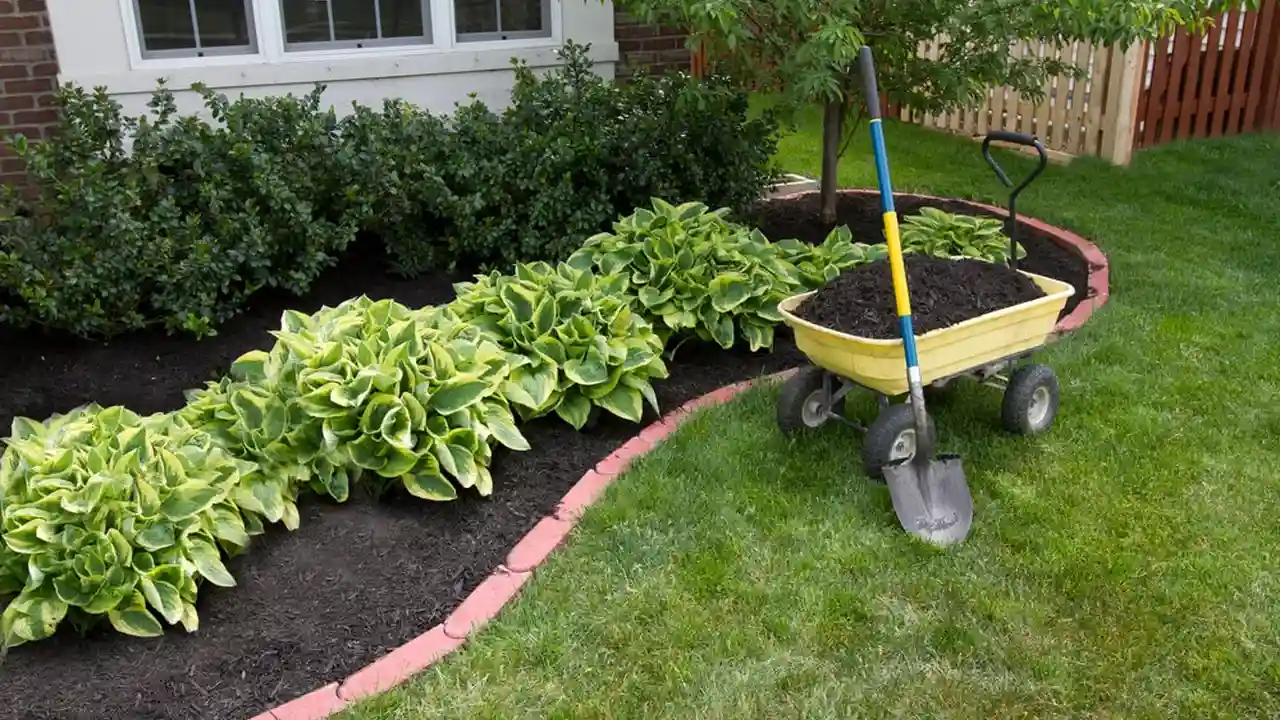
- Mulching: Applying a layer of mulch to reduce evaporation and suppress weeds.
- Efficient Irrigation: Using drip irrigation or soaker hoses instead of sprinklers.
- Turf Reduction: Minimizing lawn areas, which are typically water-intensive.
Recommended Native Plant Resources and Products
To find native plants for your specific region, check out resources like the National Wildlife Federation's Native Plant Finder or your local university extension office. Many nurseries now specialize in native species. For efficient irrigation, consider:
- Drip Irrigation Kits: Brands like Rain Bird and Orbit offer easy-to-install drip irrigation kits. A basic starter kit from Orbit can cost around $30-$50 and covers a small garden bed. For larger areas, a more comprehensive Rain Bird kit might be $100-$200.
- Smart Irrigation Controllers: Devices like the Rachio 3 Smart Sprinkler Controller (around $200-$280) or the Hunter Hydrawise system (controller starting at $150) connect to local weather forecasts and automatically adjust watering schedules, preventing overwatering.
- Organic Mulch: Look for local sources of wood chips, shredded bark, or compost. A bag of organic mulch typically costs $5-$10, and you'll need several for a decent-sized area.
2. Implement Composting and Organic Fertilization for Soil Health
Healthy soil is the foundation of a thriving, eco-friendly landscape. Instead of relying on synthetic fertilizers that can harm beneficial soil organisms and pollute waterways, turn to composting and organic fertilization. This practice enriches your soil naturally, improving its structure, water retention, and nutrient content.
The Magic of Composting for Your Garden and the Planet
Composting is essentially recycling organic waste into a nutrient-rich soil amendment. You can compost kitchen scraps (fruit and vegetable peels, coffee grounds, eggshells), yard waste (leaves, grass clippings, small twigs), and even shredded paper. The benefits are immense:
- Reduces Landfill Waste: Diverts organic materials from landfills, where they produce methane, a potent greenhouse gas.
- Enriches Soil: Adds essential nutrients, beneficial microbes, and improves soil structure, leading to healthier plants.
- Improves Water Retention: Compost acts like a sponge, helping your soil hold onto moisture, reducing the need for frequent watering.
- Suppresses Pests and Diseases: Healthy soil fosters healthy plants that are more resistant to common garden problems.
Organic Fertilizers: Feeding Your Plants Naturally
When your plants need an extra boost, opt for organic fertilizers derived from natural sources. These release nutrients slowly, preventing nutrient runoff and supporting long-term soil health. Examples include:
- Compost Tea: A liquid fertilizer made by steeping compost in water.
- Worm Castings: The rich byproduct of vermicomposting (composting with worms).
- Bone Meal: A good source of phosphorus for flowering and fruiting plants.
- Blood Meal: Provides nitrogen for leafy growth.
- Alfalfa Meal: A balanced fertilizer that also acts as a soil conditioner.
Recommended Composting and Organic Fertilization Products
- Compost Bins: For beginners, a simple tumbling composter like the Lifetime 65-Gallon Compost Tumbler (around $100-$150) is great. For larger volumes, a traditional bin like the GEOBIN Composter (around $40-$60) works well.
- Worm Composting Bins: The Worm Factory 360 (around $120-$160) is a popular multi-tray system for vermicomposting indoors or outdoors.
- Organic Fertilizers: Brands like Espoma and Jobe's Organics offer a wide range of organic granular and liquid fertilizers. A 4lb bag of Espoma Plant-tone all-purpose organic fertilizer typically costs $10-$15.
3. Practice Integrated Pest Management IPM for Natural Pest Control
Say goodbye to harsh chemical pesticides! Integrated Pest Management (IPM) is a holistic, eco-friendly approach to pest control that focuses on prevention, monitoring, and using the least toxic methods first. It's about creating a balanced ecosystem where natural predators keep pests in check, rather than eradicating every single bug.
Key Strategies for Effective and Eco-Friendly Pest Management
- Healthy Plants: Strong, healthy plants are naturally more resistant to pests. Provide them with good soil, proper watering, and adequate sunlight.
- Regular Monitoring: Inspect your plants regularly for signs of pests. Catching problems early makes them easier to manage.
- Encourage Beneficial Insects: Plant flowers that attract ladybugs, lacewings, and predatory wasps, which feast on common garden pests. Think dill, fennel, cosmos, and marigolds.
- Hand-Picking: For larger pests like slugs or caterpillars, simply pick them off by hand.
- Physical Barriers: Use row covers or netting to protect vulnerable plants from flying insects.
- Organic Sprays: If an infestation gets out of hand, opt for organic solutions like neem oil, insecticidal soap, or horticultural oils. These are less harmful to beneficial insects and the environment.
- Crop Rotation: Changing where you plant certain crops each year can disrupt pest life cycles.
Recommended IPM Products and Solutions
- Neem Oil: A natural insecticide, fungicide, and miticide. A 16oz bottle of Garden Safe Brand Neem Oil Extract Concentrate costs around $15-$20 and can be diluted for many applications.
- Insecticidal Soap: Effective against soft-bodied insects like aphids and spider mites. Safer Brand Insect Killing Soap (32oz ready-to-use spray) is about $10-$12.
- Beneficial Insects: You can actually purchase beneficial insects online! A small container of 1,500 ladybugs from suppliers like Arbico Organics or Nature's Good Guys can cost $15-$25.
- Floating Row Covers: A 10ft x 20ft roll of lightweight row cover fabric (e.g., from Agribon or Gardeners Supply Company) costs around $20-$30.
4. Reduce Lawn Size and Opt for Eco-Friendly Alternatives
Traditional lawns, while aesthetically pleasing to some, are often resource-intensive. They demand significant amounts of water, fertilizer, and fuel for mowing, contributing to pollution and habitat loss. Reducing your lawn size and replacing it with more sustainable alternatives is a fantastic eco-friendly landscaping practice.
Why Less Lawn is More for a Green Landscape
- Water Savings: Lawns are notoriously thirsty. Replacing turf with drought-tolerant plants or groundcovers drastically cuts water use.
- Reduced Emissions: Less mowing means less reliance on gas-powered mowers, which are significant sources of air pollution.
- Less Chemical Use: Lawns often require herbicides and pesticides. Alternatives typically need fewer, if any, chemicals.
- Increased Biodiversity: Replacing monoculture lawns with diverse plantings creates habitat for pollinators and other wildlife.
- Lower Maintenance: Many lawn alternatives require less frequent care than a traditional lawn.
Creative and Sustainable Lawn Alternatives
- Native Groundcovers: Choose low-growing native plants that spread to form a dense mat, like creeping thyme, sedum, or various native grasses.
- Wildflower Meadows: Transform a section of your lawn into a vibrant wildflower meadow. This provides beauty and supports pollinators.
- Edible Gardens: Convert lawn space into raised garden beds for growing vegetables, herbs, and fruits.
- Patios and Decks: Expand your hardscaping to create more functional outdoor living areas, reducing the need for grass.
- Mulched Beds: Create attractive planting beds filled with shrubs, perennials, and trees, covered with organic mulch.
- Clover Lawns: Consider replacing traditional grass with clover, which is drought-tolerant, fixes nitrogen (reducing fertilizer needs), and stays green without much fuss.
Recommended Products for Lawn Reduction and Alternatives
- Native Groundcover Plants: Check with local nurseries for species suitable for your area. Prices vary widely but expect to pay $5-$15 per plant for smaller varieties.
- Wildflower Seed Mixes: Brands like American Meadows or Eden Brothers offer regional wildflower mixes. A 1lb bag covering 1,000 sq ft can cost $20-$40.
- Clover Seed: White Dutch Clover seed is a popular lawn alternative. A 1lb bag (covers about 2,000 sq ft) costs around $15-$25.
- Raised Garden Beds: Kits from brands like Vego Garden (metal) or Greenes Fence (wood) range from $50 for a small 2x4ft bed to $200+ for larger, more elaborate systems.
- Eco-Friendly Mowers: If you still have some lawn, consider an electric or reel mower. The Greenworks 40V Cordless Lawn Mower (around $300-$400) is a popular electric option. A manual Fiskars StaySharp Max Reel Mower (around $200-$250) is emission-free and great for smaller lawns.
5. Harvest Rainwater and Implement Efficient Water Management
Water is a precious resource, and conserving it in your landscape is a cornerstone of eco-friendly practices. Rainwater harvesting and smart water management techniques can significantly reduce your reliance on municipal water supplies, saving you money and lessening the strain on local water systems.
The Benefits of Capturing and Using Rainwater
Rainwater is naturally soft and free of chlorine and other chemicals found in tap water, making it ideal for plants. Harvesting it offers several advantages:
- Reduced Water Bills: Less reliance on city water means lower utility costs.
- Environmental Impact: Decreases demand on municipal water sources, which often require energy-intensive treatment and pumping.
- Healthier Plants: Plants thrive on rainwater's natural composition.
- Stormwater Management: Reduces runoff from your property, which can help prevent erosion and pollution of local waterways.
Smart Water Management Techniques for Your Yard
- Rain Barrels: Collect rainwater from your downspouts for later use in your garden.
- Rain Gardens: Depressions in your landscape designed to collect and absorb stormwater runoff, filtering pollutants and recharging groundwater.
- Permeable Paving: Use materials like permeable pavers or gravel for driveways and patios, allowing water to soak into the ground instead of running off.
- Drip Irrigation and Soaker Hoses: As mentioned earlier, these deliver water directly to the plant roots, minimizing evaporation.
- Watering at the Right Time: Water early in the morning to reduce evaporation and allow plants to absorb moisture before the heat of the day.
- Hydrozoning: Grouping plants with similar water needs together to optimize irrigation.
Recommended Rainwater Harvesting and Water Management Products
- Rain Barrels: A standard 50-gallon rain barrel like the Good Ideas Rain Wizard 50-Gallon Rain Barrel (around $100-$150) is a great starting point. Larger capacity barrels or linking multiple barrels can increase your collection.
- Rain Garden Kits: While often DIY, some nurseries offer plant kits specifically for rain gardens. The cost will depend on the size and plant selection, but expect to spend $50-$200+ on plants for a small rain garden.
- Permeable Pavers: Brands like Belgard and Techo-Bloc offer permeable paver options. Installation costs can be higher than traditional paving due to the specialized base required, ranging from $10-$20 per square foot installed.
- Smart Water Timers: Devices like the Orbit B-hyve Smart Hose Faucet Timer (around $50-$70) allow you to control watering from your phone and integrate with weather data.
By incorporating these five eco-friendly landscaping practices into your outdoor space, you're not just creating a beautiful yard; you're contributing to a healthier planet, saving money, and enjoying a more sustainable lifestyle. It's a win-win for everyone! So, roll up your sleeves, get inspired, and start transforming your yard into an eco-paradise today!
:max_bytes(150000):strip_icc()/277019-baked-pork-chops-with-cream-of-mushroom-soup-DDMFS-beauty-4x3-BG-7505-5762b731cf30447d9cbbbbbf387beafa.jpg)