8 Fence Materials Pros and Cons for Home Security
Weigh the pros and cons of 8 popular fence materials for home security and privacy. Choose the best option for your property.
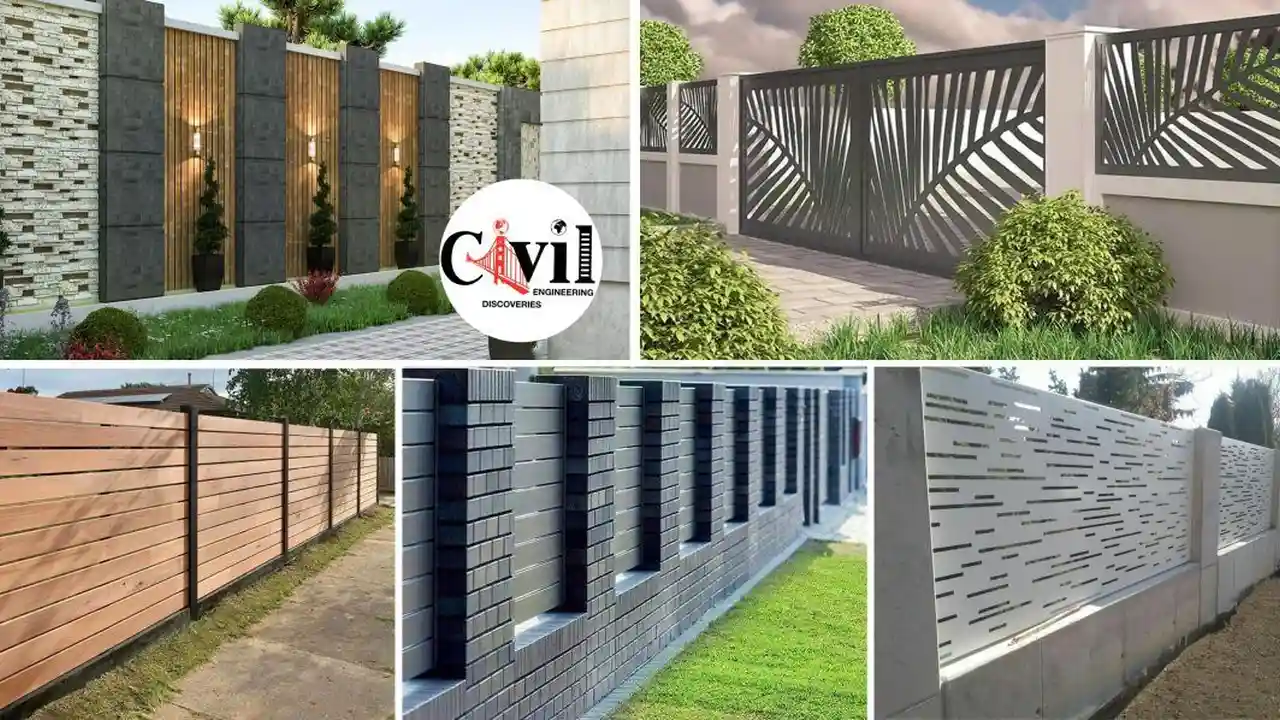
Weigh the pros and cons of 8 popular fence materials for home security and privacy. Choose the best option for your property.
8 Fence Materials Pros and Cons for Home Security
So, you're thinking about putting up a fence, huh? Maybe you want to keep your furry friends safe, add some privacy, or just boost your home's curb appeal. Whatever your reason, choosing the right fence material is a big decision. It's not just about how it looks; it's about durability, maintenance, cost, and how well it'll protect your home. Let's dive into the nitty-gritty of 8 popular fence materials, breaking down their pros and cons to help you make the best choice for your pad.
Wood Fencing The Classic Choice for Privacy and Aesthetics
Ah, wood fences. They're like the classic blue jeans of the fencing world – always in style and super versatile. You'll find them everywhere, from quaint suburban homes to sprawling rural properties. But not all wood is created equal, and there's a lot to consider before you commit to timber.
Pros of Wood Fencing
- Natural Beauty and Customization: Wood just has that warm, organic look that blends beautifully with almost any landscape. You can stain it, paint it, or leave it natural to weather gracefully. Plus, you can get it in various styles like picket, privacy, or split rail, making it super customizable to your aesthetic.
- Excellent Privacy: A solid wood privacy fence is fantastic for keeping prying eyes out. If you're looking to create a secluded backyard oasis, wood is a top contender.
- Relatively Affordable Upfront: Compared to some other materials, wood can be quite budget-friendly initially, especially if you opt for common types like pine or spruce.
- Easy to Repair: If a board gets damaged, it's usually pretty straightforward to replace just that section, rather than needing a whole new fence.
Cons of Wood Fencing
- High Maintenance: This is the big one. Wood needs regular sealing, staining, or painting every few years to protect it from rot, pests, and weathering. If you skip this, your fence won't last long.
- Susceptible to Pests and Rot: Termites, carpenter ants, and fungal rot are real threats to wood fences, especially in humid climates.
- Shorter Lifespan: Even with proper maintenance, wood fences typically last 15-20 years, which is less than some other materials.
- Can Warp and Crack: Exposure to sun and rain can cause wood to warp, crack, or splinter over time, affecting its appearance and structural integrity.
Recommended Wood Fencing Products and Scenarios
For a classic look and good privacy, a pressure-treated pine fence is a popular choice. It's more resistant to rot and insects than untreated wood. For a more premium option, cedar offers natural resistance to pests and decay, and it weathers to a beautiful silvery-gray. Redwood is another excellent, durable choice, though often pricier. If you're in a humid climate, definitely lean towards cedar or pressure-treated options. For a DIY project, pre-assembled wood fence panels can save you a lot of time and effort. Expect to pay anywhere from $15 to $40 per linear foot for materials and installation, depending on the wood type and fence height.
Vinyl Fencing The Low Maintenance Champion for Modern Homes
Vinyl fences have really gained traction over the last few decades, and for good reason. They offer a sleek, modern look with a major advantage: minimal upkeep. If you're not keen on spending your weekends staining and painting, vinyl might be your new best friend.
Pros of Vinyl Fencing
- Extremely Low Maintenance: This is vinyl's superpower. No painting, no staining, no sealing. Just an occasional wash with soap and water to keep it looking fresh.
- Highly Durable: Vinyl won't rot, rust, splinter, or get eaten by termites. It's designed to withstand harsh weather conditions, including strong winds and UV rays.
- Long Lifespan: A well-installed vinyl fence can easily last 20-30 years, often coming with impressive warranties.
- Good Privacy and Security: Like wood, vinyl privacy fences offer excellent seclusion. They're also quite sturdy, providing a good barrier for security.
- Consistent Appearance: Unlike wood, vinyl maintains its color and shape over time, offering a uniform look for years.
Cons of Vinyl Fencing
- Higher Upfront Cost: Vinyl is generally more expensive than wood initially.
- Can Crack in Extreme Cold: While durable, some lower-quality vinyl can become brittle and crack in extremely cold temperatures.
- Difficult to Repair: If a section of vinyl is severely damaged, it's often harder and more expensive to repair than wood. You might need to replace an entire panel.
- Limited Color Options: While colors are expanding, you won't have the same range of customization as with wood. White and tan are the most common.
- Can Look Less Natural: Some people find the plastic-like appearance of vinyl less appealing than natural wood.
Recommended Vinyl Fencing Products and Scenarios
For a durable, low-maintenance privacy fence, brands like CertainTeed and Bufftech offer high-quality vinyl options. They come in various styles, from classic picket to full privacy panels. If you live in an area with harsh weather or just hate maintenance, vinyl is a fantastic investment. It's also great for pool enclosures because it's impervious to water. Expect to pay around $25 to $60 per linear foot for materials and installation, with higher-end styles and colors pushing the price up.
Chain Link Fencing The Practical and Economical Security Solution
Chain link fences are the workhorses of the fencing world. They might not win any beauty contests, but they are incredibly practical, affordable, and effective for securing a property or containing pets.
Pros of Chain Link Fencing
- Very Affordable: This is often the cheapest fencing option available, making it great for large properties or tight budgets.
- Excellent Security and Containment: Chain link is strong and difficult to climb, making it effective for keeping pets in and unwanted guests out.
- Low Maintenance: Galvanized or vinyl-coated chain link requires very little upkeep, usually just an occasional wash.
- Durable and Long-Lasting: It's resistant to rust (especially coated versions), rot, and pests, and can last for decades.
- Allows Visibility: If you want to maintain an open feel or keep an eye on what's happening outside your property, chain link is perfect.
Cons of Chain Link Fencing
- Lacks Privacy: This is its biggest drawback. If privacy is a priority, chain link won't cut it on its own. You can add privacy slats, but that adds cost and can look less appealing.
- Aesthetics: Many people find chain link fences less attractive than other options, giving off a more industrial or utilitarian vibe.
- Can Rust (Untreated): While galvanized options are good, untreated chain link can rust over time, especially in coastal areas.
Recommended Chain Link Fencing Products and Scenarios
For basic security, pet containment, or defining property lines on a budget, galvanized chain link is your go-to. If you want a slightly better look and enhanced rust resistance, opt for vinyl-coated chain link, which often comes in green or black. Brands like Master Halco offer reliable chain link systems. This is ideal for backyards, dog runs, or commercial properties where security and cost are paramount over aesthetics. Expect to pay around $10 to $25 per linear foot for materials and installation, with vinyl-coated options being on the higher end.
Wrought Iron Fencing The Elegant and Secure Statement
Wrought iron fences scream elegance, sophistication, and serious security. They're often seen around historic homes, grand estates, and properties where a strong visual statement is desired. If you're looking for something that combines beauty with brawn, wrought iron is a contender.
Pros of Wrought Iron Fencing
- Exceptional Durability and Strength: Wrought iron is incredibly strong and difficult to damage or breach, offering top-tier security.
- Timeless Aesthetic Appeal: It has a classic, elegant look that adds significant curb appeal and value to a property. It can be custom-fabricated into intricate designs.
- Long Lifespan: With proper maintenance, wrought iron fences can last for a century or more.
- Good Security: Its strength and often pointed tops make it a formidable deterrent against intruders.
- Maintains Views: The open design allows for unobstructed views of your landscaping or surrounding scenery.
Cons of Wrought Iron Fencing
- Very High Cost: This is typically the most expensive fencing material, both for materials and installation, especially if custom designs are involved.
- Requires Maintenance: Wrought iron needs regular painting or powder coating to prevent rust, though modern finishes have reduced this burden.
- Lacks Privacy: The open design offers no privacy unless you add landscaping or other elements.
- Heavy and Difficult to Install: Installation is complex and usually requires professional help due to the weight and specialized welding.
Recommended Wrought Iron Fencing Products and Scenarios
For a truly grand entrance or to secure a high-value property with an elegant touch, wrought iron is unmatched. Look for options with a powder-coated finish for better rust resistance and lower maintenance. While specific brands might vary by region, many local fabricators specialize in custom wrought iron. This is perfect for front yards, around pools (with appropriate safety features), or as a decorative security barrier. Expect costs to range from $50 to $150 per linear foot, and even higher for custom, ornate designs.
Aluminum Fencing The Maintenance-Free Alternative to Wrought Iron
If you love the look of wrought iron but cringe at the thought of rust and high costs, aluminum fencing is a fantastic alternative. It offers a similar aesthetic with significantly less hassle.
Pros of Aluminum Fencing
- Rust-Proof and Low Maintenance: Aluminum doesn't rust, making it ideal for humid climates or areas near saltwater. It requires virtually no maintenance beyond occasional cleaning.
- Durable and Long-Lasting: It's strong, resistant to weathering, and can last for decades.
- Aesthetic Appeal: It mimics the elegant look of wrought iron, often available in various styles and colors (usually black, bronze, or white) with decorative finials.
- Relatively Easy to Install: Aluminum fence panels are lightweight and often come in pre-assembled sections, making DIY installation more feasible than with wrought iron.
- Good Security: While not as heavy as wrought iron, it provides a strong barrier and deterrent.
Cons of Aluminum Fencing
- Higher Upfront Cost than Wood or Chain Link: It's more expensive than basic wood or chain link, though generally less than wrought iron.
- Can Dent: While strong, aluminum can dent if hit with significant force, unlike wrought iron which is more rigid.
- Lacks Privacy: Like wrought iron, its open design offers no privacy.
Recommended Aluminum Fencing Products and Scenarios
For a stylish, low-maintenance fence that offers security and curb appeal without the rust concerns of iron, aluminum is a winner. Brands like Jerith and OnGuard are well-known for their quality aluminum fencing. It's excellent for pool enclosures (meeting safety codes), front yards, or defining property lines where you want an elegant look without blocking views. Expect to pay around $20 to $50 per linear foot for materials and installation, depending on the style and height.
Composite Fencing The Eco-Friendly and Ultra-Low Maintenance Option
Composite fencing is a newer player in the game, made from a blend of recycled plastics and wood fibers. It's designed to offer the best of both worlds: the look of wood with the low maintenance of vinyl, all while being environmentally friendly.
Pros of Composite Fencing
- Extremely Low Maintenance: No painting, staining, or sealing ever. It's resistant to rot, insects, and splintering.
- Durable and Long-Lasting: Designed to withstand harsh weather and typically comes with long warranties (20-25 years).
- Eco-Friendly: Made from recycled materials, reducing waste.
- Good Privacy: Available in solid panel designs that offer excellent seclusion.
- Resembles Wood: Many composite fences are designed to mimic the look and texture of natural wood, often in various colors.
Cons of Composite Fencing
- High Upfront Cost: Composite fencing is one of the more expensive options, often comparable to or even exceeding vinyl.
- Can Fade Over Time: While resistant, some composite materials can experience slight fading or chalking over many years, especially in direct sunlight.
- Heavy: Composite panels can be quite heavy, making DIY installation more challenging.
- Limited Repair Options: Similar to vinyl, if a panel is severely damaged, it might need full replacement.
Recommended Composite Fencing Products and Scenarios
If you want the look of wood without any of the maintenance headaches, and you're willing to invest more upfront, composite is a fantastic choice. Brands like Trex Fencing and Fiberon are leaders in this space, offering a range of colors and styles. It's perfect for privacy fences, especially in areas where moisture or pests are a concern for wood. It's also a great choice for homeowners looking for sustainable building materials. Expect to pay around $30 to $70 per linear foot for materials and installation.
PVC Fencing The Budget-Friendly Vinyl Alternative
Often confused with vinyl, PVC (polyvinyl chloride) fencing is essentially a type of plastic fence. While vinyl fences are often made from a blend of PVC and other materials for enhanced durability and UV resistance, pure PVC fences are typically a more basic, budget-friendly plastic option.
Pros of PVC Fencing
- Very Low Maintenance: Like vinyl, PVC fences require minimal upkeep – no painting, staining, or sealing.
- Water and Pest Resistant: It won't rot, rust, or be affected by insects.
- Affordable: Generally less expensive than higher-grade vinyl or composite fencing.
- Lightweight: Easier to handle and install than heavier materials.
Cons of PVC Fencing
- Less Durable than High-Grade Vinyl: Pure PVC can be more brittle and prone to cracking, especially in extreme temperatures or if impacted.
- Can Yellow Over Time: Lower quality PVC can sometimes yellow or become discolored with prolonged sun exposure.
- Limited Aesthetic Appeal: Often has a more 'plastic' look compared to composite or premium vinyl.
- Difficult to Repair: Similar to vinyl, damaged sections often require full panel replacement.
Recommended PVC Fencing Products and Scenarios
For a very budget-conscious homeowner who still wants low maintenance and basic privacy, PVC can be an option. It's suitable for areas where aesthetics aren't the absolute top priority, but you need a functional barrier. It's often found in basic white privacy or picket styles. While specific brands might be less prominent than for higher-end vinyl, many home improvement stores carry generic PVC fence kits. Expect to pay around $20 to $45 per linear foot for materials and installation.
Bamboo Fencing The Eco-Friendly and Exotic Privacy Screen
Bamboo fencing offers a unique, natural, and often exotic look. It's a rapidly renewable resource, making it an attractive option for environmentally conscious homeowners looking for a distinctive privacy solution.
Pros of Bamboo Fencing
- Eco-Friendly and Sustainable: Bamboo is one of the fastest-growing plants on Earth, making it a highly renewable resource.
- Natural and Unique Aesthetic: It provides a distinct, tropical, or Asian-inspired look that can be very appealing.
- Good Privacy: Tightly woven bamboo panels or rolls offer excellent privacy.
- Relatively Lightweight: Easier to install than many other materials.
- Affordable for Rolls: Bamboo rolls can be quite cost-effective for quick privacy solutions.
Cons of Bamboo Fencing
- Shorter Lifespan: Compared to other materials, bamboo typically has a shorter lifespan, often 5-10 years, even with treatment.
- Requires Maintenance: It needs regular sealing or varnishing to protect it from moisture, UV damage, and pests.
- Susceptible to Weathering: Can fade, crack, or develop mold if not properly maintained, especially in wet climates.
- Less Secure: While it offers privacy, it's not as robust for security as wood, vinyl, or metal fences.
- Can Be Pricey for Panels: While rolls are affordable, pre-assembled bamboo panels can be more expensive.
Recommended Bamboo Fencing Products and Scenarios
Bamboo fencing is great for creating a natural privacy screen, adding a unique aesthetic to a garden, or as a temporary barrier. It's often used to enhance specific areas like outdoor showers or meditation spaces. Look for treated bamboo products for better longevity. Brands like Bamboo Fencer offer various types of bamboo fencing, from rolls to panels. Expect to pay around $5 to $25 per linear foot for rolls (materials only) and $20 to $50 per linear foot for panels (materials and installation).
Making Your Final Fence Decision
Choosing the right fence material really boils down to balancing your priorities: budget, aesthetics, privacy needs, security concerns, and how much maintenance you're willing to do. Think about your local climate too – some materials hold up better in extreme heat, cold, or humidity. Don't forget to check with your local HOA or municipality for any zoning laws or restrictions on fence height, material, or placement before you start digging. A little planning goes a long way in ensuring your new fence is a perfect fit for your home and lifestyle.
:max_bytes(150000):strip_icc()/277019-baked-pork-chops-with-cream-of-mushroom-soup-DDMFS-beauty-4x3-BG-7505-5762b731cf30447d9cbbbbbf387beafa.jpg)