The 3 Best Adhesives for Household Repairs
Find the 3 best adhesives for various household repairs. Choose the right glue for strong and lasting fixes.
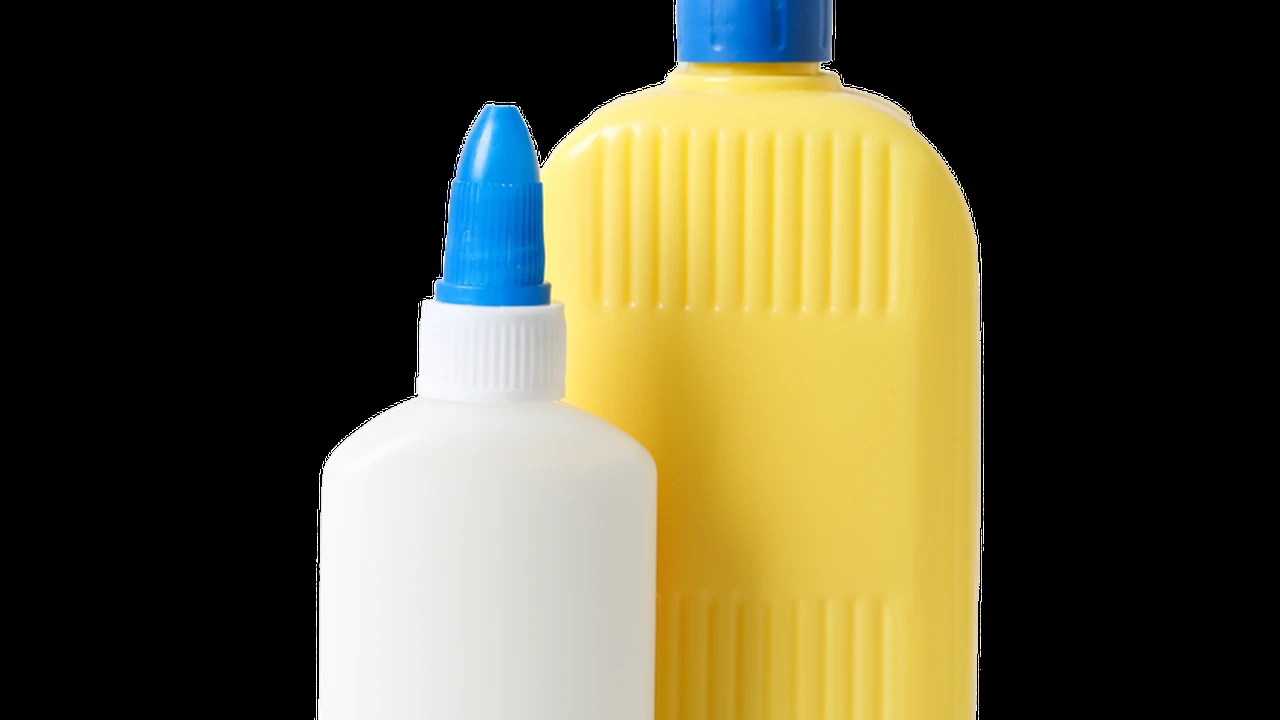
Find the 3 best adhesives for various household repairs. Choose the right glue for strong and lasting fixes.
The 3 Best Adhesives for Household Repairs
Let's face it, stuff breaks. Whether it's a wobbly chair, a cracked ceramic mug, or a loose piece of trim, household repairs are an inevitable part of homeownership. And when something breaks, your first instinct might be to reach for the nearest tube of glue. But here's the thing: not all glues are created equal. Using the wrong adhesive can lead to a weak bond, a messy repair, or even further damage. That's why understanding the different types of adhesives and their best uses is super important for any DIY enthusiast or even just someone who wants to keep their home in tip-top shape.
In this guide, we're going to dive deep into the world of household adhesives, focusing on the three absolute best types that you should have in your DIY arsenal. We'll talk about what makes them great, when to use them, when to avoid them, and even recommend some specific products that are tried and true. Get ready to become a glue guru!
Understanding Adhesive Basics What Makes a Good Bond
Before we jump into the specific types, let's quickly chat about what makes an adhesive effective. It's not just about sticking two things together; it's about creating a strong, durable bond that can withstand the stresses of everyday life. Several factors contribute to a good bond:
- Surface Preparation: This is probably the most overlooked step, but it's crucial. Surfaces need to be clean, dry, and free of grease, dust, or loose particles. Sometimes, roughing up a smooth surface with sandpaper can also help the adhesive grip better.
- Adhesion vs. Cohesion: Adhesion is the force that holds the adhesive to the surface of the material. Cohesion is the internal strength of the adhesive itself. A good adhesive has both strong adhesion to the materials it's bonding and strong cohesion within its own structure.
- Curing Time: This is the time it takes for the adhesive to fully harden and reach its maximum strength. Don't rush it! Clamping or holding pieces together during this time is often necessary.
- Flexibility: Some repairs require a bit of give. If you're bonding materials that might expand, contract, or flex, you'll need an adhesive that can accommodate that movement without cracking.
- Environmental Factors: Consider where the repair will be. Will it be exposed to water, extreme temperatures, or UV light? Different adhesives perform better under different conditions.
Keeping these points in mind will help you make smarter choices when selecting your adhesive.
Super Glue Cyanoacrylate for Quick Strong Bonds
Ah, super glue. It's practically a household name, and for good reason. This stuff is a lifesaver for small, quick repairs that need a strong, almost instant bond. Super glue, or cyanoacrylate adhesive, works by reacting with tiny traces of moisture on the surfaces it's bonding, creating a powerful chemical bond.
When to Use Super Glue Ideal Applications
- Small, Non-Porous Items: Think ceramic figurines, broken plastic toys, small metal parts, or even a chipped fingernail (though be careful with skin!).
- Quick Fixes: When you need something to hold almost immediately, super glue is your go-to.
- Tight-Fitting Joints: Super glue works best when the two surfaces fit together perfectly, as it doesn't fill gaps well.
- Jewelry Repair: For delicate pieces where you need a strong, invisible bond.
When to Avoid Super Glue Limitations and Alternatives
- Large Gaps: As mentioned, super glue isn't a gap filler. For larger breaks, you'll need something else.
- Flexible Materials: It tends to dry rigid and brittle, so it's not ideal for things that need to bend or flex, like fabric or rubber.
- Items Exposed to Water or Heat: While some formulations are water-resistant, prolonged exposure to water or high heat can weaken the bond.
- Items Under High Stress: For structural repairs or items that will bear significant weight, super glue might not be strong enough on its own.
Recommended Super Glue Products and Usage Tips
When it comes to super glue, there are a few brands that consistently deliver. Look for formulations that offer precision applicators or gel versions for less mess.
Loctite Super Glue Gel Control
Description: This is a fantastic all-rounder. The gel formula means it doesn't run, making it easier to apply precisely, especially on vertical surfaces. The squeeze-grip bottle gives you excellent control over the amount of glue. It dries clear and sets quickly.
Usage Scenario: Fixing a broken ceramic mug handle, reattaching a small plastic piece to a remote control, repairing a chipped porcelain plate.
Price Range: $4 - $7 USD for a 0.14 oz (4g) tube.
Gorilla Super Glue with Brush & Nozzle
Description: Gorilla is known for its strong adhesives, and their super glue is no exception. This version comes with both a brush and a nozzle applicator, offering versatility for different types of repairs. It's impact-tough, meaning it's designed to resist impact and drops.
Usage Scenario: Repairing a broken wooden toy, bonding metal components, fixing a loose veneer on furniture.
Price Range: $6 - $10 USD for a 0.35 oz (10g) bottle.
Starbond EM-02 Super Fast Thin CA Glue
Description: For those who need professional-grade speed and precision, Starbond is a favorite among woodworkers and hobbyists. The 'thin' refers to its viscosity, which allows it to penetrate tiny cracks and pores for an incredibly strong bond. It sets almost instantly.
Usage Scenario: Stabilizing hairline cracks in wood, quick assembly of small models, bonding very smooth, non-porous surfaces.
Price Range: $10 - $15 USD for a 2 oz bottle (larger quantity, professional grade).
Pro Tip: Always work in a well-ventilated area. If you get super glue on your skin, don't panic! Acetone (nail polish remover) usually works to dissolve it. And always keep it away from children and pets.
Epoxy Adhesives for Maximum Strength and Gap Filling
When you need serious strength, durability, and the ability to fill gaps, epoxy is your champion. Epoxy adhesives are two-part systems, typically consisting of a resin and a hardener. When these two components are mixed, they undergo a chemical reaction that creates an incredibly strong, rigid, and often waterproof bond.
When to Use Epoxy Adhesives Heavy Duty Repairs
- Structural Repairs: Fixing broken furniture legs, repairing cracked concrete, bonding metal to metal.
- Gap Filling: Because it's a two-part system, epoxy can be mixed to a thicker consistency, making it excellent for filling voids and gaps in broken items.
- Waterproof Bonds: Many epoxies are highly water-resistant or even waterproof once cured, making them suitable for outdoor repairs or items exposed to moisture.
- High-Stress Applications: For items that will experience significant force or weight, epoxy provides a robust solution.
- Bonding Dissimilar Materials: Epoxy is often effective at bonding materials that other glues struggle with, like metal to plastic or wood to ceramic.
When to Avoid Epoxy Adhesives Considerations and Alternatives
- Quick Fixes: Epoxy requires mixing and has a longer cure time than super glue, so it's not for instant gratification.
- Flexible Materials: Like super glue, most epoxies cure to a rigid state, so they're not ideal for items that need flexibility.
- Delicate Items: The mixing process and thicker consistency can be overkill for very small or delicate repairs.
Recommended Epoxy Products and Usage Tips
Epoxies come in various formulations, with different set times and strengths. Always read the instructions carefully, as mixing ratios are crucial for proper curing.
J-B Weld Original Cold-Weld Steel Reinforced Epoxy
Description: This is the legendary 'steel in a tube.' J-B Weld is famous for its incredible strength and ability to bond almost anything. It's a two-part epoxy that forms a permanent bond that can be drilled, tapped, filed, sanded, and painted once cured. It's resistant to water, petroleum, chemical, and acid. It has a longer cure time (4-6 hours to set, 15-24 hours to fully cure), but the strength is unmatched.
Usage Scenario: Repairing a cracked engine block (yes, really!), fixing a broken metal tool, sealing a leaky pipe, repairing a broken concrete statue.
Price Range: $6 - $10 USD for a 2 oz (56.7g) twin pack.
Gorilla Epoxy
Description: Gorilla Epoxy is a fast-setting, clear, two-part epoxy that provides a strong, permanent bond. It comes with a convenient syringe applicator that dispenses both parts evenly, making mixing easier. It's water-resistant and dries clear, which is a big plus for visible repairs.
Usage Scenario: Repairing broken glass, reattaching a ceramic tile, fixing a plastic car bumper, bonding decorative items where a clear finish is desired.
Price Range: $7 - $12 USD for a 0.85 oz (25ml) syringe.
Loctite Epoxy Instant Mix 5 Minute
Description: If you need the strength of epoxy but with a faster working time, this Loctite product is a great choice. It sets in just 5 minutes, allowing you to move on with your project quicker. It also comes in a convenient syringe for easy mixing and application. It dries to a clear, rigid finish.
Usage Scenario: Quick but strong repairs on wood, metal, glass, ceramics, and most plastics. Ideal for situations where you can't clamp for a long time.
Price Range: $5 - $9 USD for a 0.47 fl oz (14ml) syringe.
Pro Tip: Always mix epoxy on a disposable surface, like a piece of cardboard or a plastic lid. Use a stir stick (often included) to thoroughly combine the two parts. Wear gloves to avoid skin contact, as epoxy can be difficult to remove.
Construction Adhesive for Heavy Duty Bonding and Filling
When you're tackling bigger projects, like installing subflooring, attaching paneling, or securing heavy trim, you need something more robust than your average craft glue. That's where construction adhesive comes in. These are heavy-duty, high-strength adhesives designed for bonding large, often porous, materials together. They typically come in large tubes and are applied with a caulk gun.
When to Use Construction Adhesive Large Scale Projects
- Subfloor Installation: Essential for preventing squeaks and providing a strong bond between subfloor panels and joists.
- Paneling and Drywall: Securing large sheets of material to studs or other surfaces.
- Trim and Molding: Attaching baseboards, crown molding, and other decorative trim.
- Landscaping Blocks: Bonding concrete or stone blocks for retaining walls or garden features.
- General Construction: Any application where you need a strong, permanent bond between heavy or porous materials.
When to Avoid Construction Adhesive Specific Scenarios
- Small, Delicate Repairs: It's overkill and too messy for tiny items.
- Items Requiring Precision: The thick bead and long open time make it less suitable for intricate work.
- Temporary Bonds: Construction adhesive is meant to be permanent.
- Items Exposed to Extreme Solvents: While durable, some harsh chemicals can degrade the bond over time.
Recommended Construction Adhesive Products and Usage Tips
There's a wide variety of construction adhesives, each formulated for specific applications. Always check the product label to ensure it's suitable for the materials you're bonding and the environmental conditions.
Liquid Nails Heavy Duty Construction Adhesive LN-901
Description: Liquid Nails is a classic in the construction world. The Heavy Duty formula is designed for demanding projects, offering excellent strength and durability. It bonds a wide range of materials, including wood, concrete, brick, metal, and most plastics. It's weather-resistant and can be painted once cured. It has a longer open time, allowing for repositioning.
Usage Scenario: Installing plywood subflooring, attaching deck ledger boards, securing landscape timbers, bonding heavy wall panels.
Price Range: $5 - $10 USD for a 10 fl oz (295ml) cartridge.
Gorilla Heavy Duty Construction Adhesive
Description: Gorilla's entry into the construction adhesive market is a strong contender. It's a 100% waterproof, all-weather formula that bonds virtually everything. It's incredibly strong and durable, making it suitable for both indoor and outdoor projects. It also offers a fast grab, which helps hold materials in place quickly.
Usage Scenario: Outdoor repairs like securing fence posts, bonding stone pavers, attaching exterior trim, general heavy-duty bonding where weather resistance is key.
Price Range: $7 - $12 USD for a 9 oz (266ml) cartridge.
DAP Dynaflex 230 Premium Indoor/Outdoor Sealant and Adhesive
Description: While primarily a sealant, Dynaflex 230 also offers excellent adhesive properties, especially for applications where flexibility and weather resistance are important. It's a latex-based product that is paintable, mold and mildew resistant, and highly flexible. It's great for sealing gaps and bonding materials that might experience some movement.
Usage Scenario: Sealing around windows and doors, bonding loose tiles in a bathroom, attaching lightweight trim where some flexibility is needed, filling gaps before painting.
Price Range: $4 - $8 USD for a 10.1 fl oz (298ml) cartridge.
Pro Tip: Always use a caulk gun for applying construction adhesive. Cut the tip of the tube at a 45-degree angle to control the bead size. Apply in a zigzag pattern or continuous beads, depending on the application. Ensure good ventilation, as many construction adhesives have strong fumes.
Comparing the Best Adhesives Choosing the Right Tool for the Job
Now that we've explored the top three types of adhesives, let's put them side-by-side to help you make the best choice for your specific repair needs. Think of it like having a toolbox – you wouldn't use a hammer to turn a screw, right? The same goes for adhesives.
Super Glue vs Epoxy vs Construction Adhesive Key Differences
| Feature | Super Glue (Cyanoacrylate) | Epoxy Adhesive | Construction Adhesive |
|---|---|---|---|
| Bond Strength | High (for small, non-porous items) | Very High (structural, rigid) | Very High (heavy-duty, flexible) |
| Cure Time | Very Fast (seconds to minutes) | Medium (minutes to hours) | Slow (hours to days) |
| Gap Filling | Poor | Excellent | Good |
| Flexibility | Rigid/Brittle | Rigid | Flexible (depending on type) |
| Water Resistance | Moderate (some formulations better) | Excellent (often waterproof) | Excellent (often waterproof) |
| Best For | Small, quick, non-porous repairs | Structural, heavy-duty, gap-filling, dissimilar materials | Large-scale bonding, porous materials, outdoor use |
| Application | Small drops, precision nozzle | Mixing two parts, syringe/stir stick | Caulk gun, large beads |
| Typical Cost | Low ($4-$10) | Medium ($6-$15) | Medium ($5-$12) |
Real-World Scenarios Making the Right Choice
- Scenario 1: Your favorite ceramic coffee mug broke into two clean pieces.
Best Choice: Super Glue (e.g., Loctite Super Glue Gel Control). The clean break means no gaps, and you want a fast, strong bond for a non-porous item. - Scenario 2: A leg on your wooden dining chair has come completely loose, leaving a gap.
Best Choice: Epoxy Adhesive (e.g., J-B Weld Original or Gorilla Epoxy). You need serious strength for a structural repair, and the gap-filling capability of epoxy will ensure a solid bond. - Scenario 3: You're installing new baseboards in your living room and want to secure them to the studs.
Best Choice: Construction Adhesive (e.g., Liquid Nails Heavy Duty). This is a large-scale project involving porous materials (wood/drywall) where you need a strong, long-lasting bond that can handle some movement. - Scenario 4: A small plastic tab broke off your car's interior trim.
Best Choice: Super Glue (e.g., Gorilla Super Glue with Brush & Nozzle). For small plastic parts, super glue provides a quick and effective bond. - Scenario 5: You need to bond two pieces of metal together for a DIY sculpture that will be outdoors.
Best Choice: Epoxy Adhesive (e.g., J-B Weld Original). Its extreme strength and weather resistance make it ideal for metal-to-metal bonds exposed to the elements. - Scenario 6: You're building a small outdoor shed and need to secure the plywood siding to the wooden frame.
Best Choice: Construction Adhesive (e.g., Gorilla Heavy Duty Construction Adhesive). This will provide a strong, waterproof bond for large wooden panels in an outdoor environment.
Safety First Essential Adhesive Handling Practices
Working with adhesives, especially the stronger ones, requires a bit of caution. Always prioritize safety to protect yourself and your home.
- Ventilation: Most adhesives emit fumes. Work in a well-ventilated area, or even outdoors if possible. If working indoors, open windows and use a fan.
- Gloves: Wear disposable gloves (nitrile or latex) to prevent skin contact. Super glue can bond skin instantly, and epoxy can be irritating and hard to remove.
- Eye Protection: Safety glasses are a must, especially when dealing with liquid adhesives that could splash.
- Read Instructions: Every adhesive is different. Always read the manufacturer's instructions for specific application techniques, cure times, and safety warnings.
- Storage: Store adhesives in a cool, dry place, away from direct sunlight and out of reach of children and pets. Some adhesives, like super glue, benefit from being stored in the refrigerator (in an airtight container) to extend their shelf life.
- Disposal: Dispose of empty tubes and mixed epoxy waste according to local regulations. Don't just toss them in the regular trash if they contain uncured chemicals.
By following these safety guidelines, you can confidently tackle any repair job that comes your way.
Beyond the Big Three Specialty Adhesives to Consider
While super glue, epoxy, and construction adhesive cover the vast majority of household repairs, there are a few other specialty adhesives that are worth knowing about for specific situations. These aren't necessarily 'better' than our top three, but they excel in niche applications.
- Wood Glue (PVA Glue): For woodworking projects, nothing beats traditional wood glue. It creates a bond stronger than the wood itself, but it's only for wood-to-wood applications and isn't waterproof unless specified.
- Hot Glue: Great for crafts, temporary bonds, or when you need an instant, flexible hold. Not for structural or high-strength repairs.
- Contact Cement: Used for bonding large surfaces like laminates to countertops. You apply it to both surfaces, let it dry to the touch, then press them together for an instant, permanent bond.
- Fabric Glue: Specifically formulated for bonding fabrics without sewing. It remains flexible after drying.
- Silicone Sealant: While primarily a sealant, silicone can also act as a flexible adhesive, especially in wet environments like bathrooms or around windows.
Having a basic understanding of these additional options can further expand your DIY capabilities.
Maintaining Your Adhesives Maximizing Shelf Life
It's frustrating to reach for a tube of glue only to find it's dried up or hardened. Proper storage can significantly extend the life of your adhesives.
- Super Glue: Store in an airtight container (like a Ziploc bag) in the refrigerator. The cold temperature slows down the curing process caused by ambient moisture. Make sure the cap is tightly sealed.
- Epoxy: Keep the resin and hardener separate and tightly capped. Store in a cool, dry place. Once mixed, it will cure, so only mix what you need.
- Construction Adhesive: Ensure the tip is clean and the cap is securely replaced. Some people insert a nail or screw into the nozzle to prevent air from getting in. Store in a cool, dry place.
- General Rule: Avoid extreme temperatures (both hot and cold) and direct sunlight.
By taking a few extra steps to store your adhesives correctly, you'll save money and avoid frustration when you need them most.
Final Thoughts on Adhesives for Home Repairs
So there you have it! A deep dive into the three best adhesives for household repairs: super glue for those quick, small, non-porous fixes; epoxy for heavy-duty, structural, and gap-filling needs; and construction adhesive for large-scale bonding of porous materials. Each has its strengths and weaknesses, and understanding them is key to successful DIY projects.
Remember, the right adhesive can make all the difference between a temporary patch-up and a permanent, reliable repair. So, stock your DIY toolkit with these essential glues, always read the instructions, prioritize safety, and you'll be well-equipped to tackle almost any broken item that comes your way. Happy gluing!
:max_bytes(150000):strip_icc()/277019-baked-pork-chops-with-cream-of-mushroom-soup-DDMFS-beauty-4x3-BG-7505-5762b731cf30447d9cbbbbbf387beafa.jpg)