Comparing 4 Popular Bathroom Flooring Options
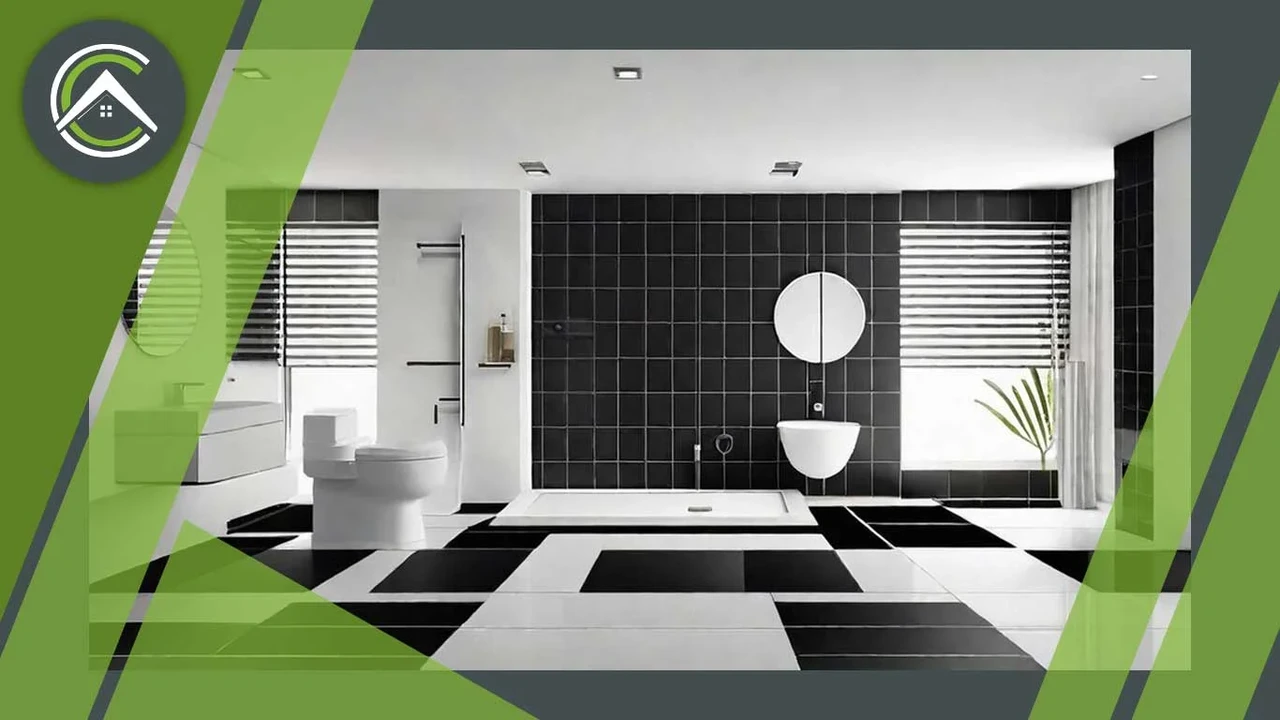
Compare the 4 most popular bathroom flooring options for durability, water resistance, and style. Choose the best floor for your needs.
Compare the 4 most popular bathroom flooring options for durability, water resistance, and style. Choose the best floor for your needs.
Comparing 4 Popular Bathroom Flooring Options
Understanding Bathroom Flooring Essentials: Water Resistance and Durability
When it comes to renovating or building a bathroom, choosing the right flooring is absolutely crucial. It's not just about aesthetics; it's about practicality, longevity, and safety. Bathrooms are unique spaces in our homes – they're constantly exposed to moisture, humidity, and temperature fluctuations. This means that not just any flooring will do. You need something that can stand up to splashes, spills, and steam without warping, rotting, or becoming a slip hazard. Durability is key, as you want your investment to last for years, resisting daily wear and tear from foot traffic, cleaning products, and accidental drops. Water resistance is paramount to prevent mold, mildew, and structural damage to your subfloor. Let's dive into the four most popular bathroom flooring options, exploring their pros, cons, ideal use cases, and even some specific product recommendations to help you make the best decision for your home.Ceramic and Porcelain Tile: The Unbeatable Bathroom Classic
Ceramic and porcelain tiles are, without a doubt, the reigning champions of bathroom flooring. And for good reason! They offer an incredible combination of water resistance, durability, and design versatility. While often grouped together, there's a subtle but important difference: porcelain tiles are generally denser, less porous, and thus even more water-resistant than ceramic tiles, making them an excellent choice for high-moisture areas like shower floors. Both are made from clay and other natural materials, fired at high temperatures, resulting in a hard, resilient surface.Pros of Ceramic and Porcelain Tile
- Exceptional Water Resistance: This is their superpower. Glazed ceramic and porcelain tiles are virtually impervious to water, making them ideal for bathrooms where splashes and spills are inevitable. Porcelain, with its lower water absorption rate (less than 0.5%), is particularly suited for wet rooms and shower enclosures.
- Incredible Durability: These tiles are tough. They resist scratches, dents, and heavy foot traffic, meaning they'll look great for decades with proper care. They're also resistant to stains and fading.
- Vast Design Options: Oh, the choices! You can find ceramic and porcelain tiles in an endless array of colors, patterns, sizes, and textures. They can mimic natural stone, wood, concrete, or even fabric, allowing you to achieve almost any aesthetic. From sleek modern to rustic farmhouse, there's a tile for every style.
- Easy to Clean: A quick wipe with a damp mop is usually all it takes to keep them sparkling. They don't harbor allergens or dust mites, making them a hygienic choice.
- Adds Home Value: High-quality tile flooring is a desirable feature for potential homebuyers, often increasing your home's resale value.
Cons of Ceramic and Porcelain Tile
- Cold Underfoot: Tiles can feel quite cold, especially in cooler climates. This can be mitigated with radiant floor heating, but that adds to the cost and complexity.
- Hard Surface: While durable, their hardness means dropped items are more likely to break, and standing for long periods can be uncomfortable. It's also less forgiving if you slip and fall.
- Grout Lines: Grout can be a pain point. It's porous and can stain, requiring regular sealing and cleaning to prevent mold and mildew growth. Darker grout colors can help mask dirt.
- Installation Complexity: Installing tile is a labor-intensive and precise job. While DIY-able for experienced renovators, it often requires professional installation, which adds to the overall cost.
- Cost: While there are budget-friendly options, high-quality or intricate tile designs can be expensive, both for materials and installation.
Ideal Use Cases and Product Recommendations for Tile
Ceramic and porcelain tiles are perfect for any bathroom, from powder rooms to master ensuites. They excel in high-traffic areas and spaces prone to significant moisture. If you're looking for a floor that will last a lifetime and offer endless design possibilities, tile is your go-to.Product Recommendations:
- Daltile Continental Slate Series (Porcelain): This series offers a beautiful, natural stone look with the durability and water resistance of porcelain. It comes in various earthy tones and sizes, perfect for a rustic or traditional bathroom. Price: Approximately $3-$6 per square foot.
- MSI Kenzzi Porcelain Tile Collection: If you love intricate patterns and a touch of vintage charm, the Kenzzi collection offers stunning encaustic-look porcelain tiles. They're highly durable and make a bold statement. Price: Approximately $4-$8 per square foot.
- American Olean Starting Line Ceramic Tile: For a more budget-friendly yet reliable option, American Olean's basic ceramic tiles are a solid choice. Available in classic colors and sizes, they're great for guest bathrooms or rental properties. Price: Approximately $1.50-$3 per square foot.
Luxury Vinyl Plank LVP and Luxury Vinyl Tile LVT: The Modern Contender
Luxury Vinyl Plank (LVP) and Luxury Vinyl Tile (LVT) have exploded in popularity over the last decade, and it's easy to see why. These aren't your grandma's peel-and-stick vinyl! Modern LVP and LVT are engineered products designed to realistically mimic the look of natural materials like wood and stone, but with superior water resistance and comfort. They typically consist of multiple layers: a resilient core, a high-definition photographic layer, and a durable wear layer.Pros of LVP and LVT
- Excellent Water Resistance: Many LVP/LVT products are 100% waterproof, making them an outstanding choice for bathrooms. This means spills won't penetrate the material, preventing damage to the subfloor.
- Highly Durable: The wear layer on LVP/LVT is incredibly tough, resisting scratches, scuffs, and dents. It's a great option for busy households with kids and pets.
- Comfortable Underfoot: Compared to tile, vinyl is softer and warmer, making it more comfortable to stand on and less jarring if something is dropped.
- Realistic Aesthetics: Advanced printing technology allows LVP/LVT to replicate the look and texture of hardwood, stone, and ceramic with remarkable accuracy. You can get the look of expensive materials without the maintenance headaches.
- Easier Installation: Many LVP/LVT products feature click-lock systems, making them relatively easy for DIY enthusiasts to install. This can significantly reduce installation costs.
- Affordable: Generally, LVP/LVT is more affordable than natural stone, hardwood, or high-end porcelain tile, offering great value for money.
Cons of LVP and LVT
- Susceptible to Dents from Heavy Objects: While durable against scratches, very heavy furniture or appliances can sometimes leave indentations if not properly protected.
- Can Fade in Direct Sunlight: Prolonged exposure to direct, intense sunlight can sometimes cause the color to fade over time, especially in lower-quality products.
- Subfloor Imperfections: LVP/LVT requires a very smooth and level subfloor. Any imperfections can telegraph through the vinyl, creating an uneven look or feel.
- Not as Eco-Friendly as Some Options: While some manufacturers are improving, vinyl is a plastic product, and its environmental impact can be a concern for some.
- Resale Value: While it's a popular choice, it may not add as much resale value as genuine hardwood or high-end natural stone.
Ideal Use Cases and Product Recommendations for LVP and LVT
LVP and LVT are fantastic for any bathroom where you want the look of wood or stone without the associated maintenance or cost. They're particularly good for families, rental properties, or anyone looking for a durable, waterproof, and comfortable flooring solution that's also budget-friendly.Product Recommendations:
- Shaw Floorte Pro Series (LVP): Shaw's Floorte Pro offers excellent waterproof performance and realistic wood visuals. It's known for its durability and easy click-lock installation. Price: Approximately $3-$7 per square foot.
- Coretec Plus Enhanced Planks (LVP): Coretec is a pioneer in waterproof rigid core luxury vinyl. Their Plus Enhanced series features an attached cork underlayment for added comfort and sound absorption. Price: Approximately $4-$8 per square foot.
- Mannington Adura Max (LVT/LVP): Adura Max is another top-tier option, offering a wide range of beautiful designs and superior scratch and dent resistance. It's also 100% waterproof. Price: Approximately $4-$7 per square foot.
Sheet Vinyl: The Budget-Friendly Workhorse
Sheet vinyl is often overlooked in modern renovations, but it remains a highly practical and budget-friendly option, especially for bathrooms. Unlike LVP/LVT, sheet vinyl comes in large rolls, which means fewer seams – or even no seams at all – making it incredibly water-resistant. It's a composite product, typically made from PVC, and offers a soft, resilient surface.Pros of Sheet Vinyl
- Exceptional Water Resistance: With minimal to no seams, sheet vinyl creates a virtually impenetrable barrier against water, making it an excellent choice for bathrooms, especially those prone to heavy splashing.
- Very Affordable: This is often the most budget-friendly flooring option available, making it ideal for rental properties, utility bathrooms, or when you need to stretch your renovation budget.
- Easy to Clean and Maintain: Its smooth, non-porous surface is incredibly easy to wipe clean and doesn't require special sealants or treatments.
- Comfortable Underfoot: Like LVP/LVT, sheet vinyl offers a softer, warmer feel than tile, which can be a welcome relief on cold mornings.
- Relatively Easy Installation: While large sheets can be cumbersome, the installation process itself is straightforward, often involving adhesive and trimming. Smaller bathrooms can even be a DIY project.
Cons of Sheet Vinyl
- Less Durable Than Tile or LVP/LVT: While resilient, sheet vinyl is more susceptible to tears, punctures, and gouges from sharp objects or heavy furniture.
- Can Look Less Premium: Despite advancements, sheet vinyl can sometimes have a less realistic or high-end appearance compared to LVP/LVT or tile.
- Subfloor Imperfections: Similar to LVP/LVT, sheet vinyl will show any imperfections in the subfloor, so proper preparation is essential.
- Difficult to Repair: If a section is damaged, it's often difficult to repair just that spot. You might need to replace the entire sheet, which can be wasteful.
- Off-Gassing: Some lower-quality sheet vinyl products can release volatile organic compounds (VOCs) when new, though many modern products are low-VOC.
Ideal Use Cases and Product Recommendations for Sheet Vinyl
Sheet vinyl is best suited for bathrooms where budget is a primary concern, or in utility bathrooms, laundry rooms, or basements where extreme water resistance is needed without a high-end aesthetic. It's also a good choice for temporary solutions or rental units.Product Recommendations:
- Armstrong Flooring Duality Premium (Sheet Vinyl): Armstrong offers a range of durable and attractive sheet vinyl options. The Duality Premium line provides enhanced wear resistance and realistic designs. Price: Approximately $1.50-$3 per square foot.
- Congoleum Airstep Evolution (Sheet Vinyl): Congoleum's Airstep Evolution features a fiberglass core for dimensional stability and a comfortable feel. It's known for its durability and ease of maintenance. Price: Approximately $2-$4 per square foot.
- Tarkett FiberFloor (Sheet Vinyl): Tarkett's FiberFloor is a popular choice for its comfort, warmth, and resistance to rips, tears, and gouges. It's also designed for easy installation. Price: Approximately $1.50-$3.50 per square foot.
Engineered Hardwood: The Warmth of Wood with a Catch
When people think of hardwood in a bathroom, they often cringe, and for good reason – solid hardwood and high moisture don't mix. However, engineered hardwood offers a potential compromise. Engineered hardwood consists of a top layer of real wood veneer (the species you see) bonded to multiple layers of plywood or high-density fiberboard. This multi-ply construction makes it more stable and less prone to warping than solid hardwood when exposed to humidity.Pros of Engineered Hardwood
- Natural Beauty and Warmth: Nothing quite compares to the authentic look and feel of real wood. Engineered hardwood brings a natural warmth and elegance that can elevate a bathroom's aesthetic.
- Adds Resale Value: Real wood flooring is a highly desirable feature that can significantly increase your home's value.
- More Stable Than Solid Hardwood: Its layered construction makes it more resistant to moisture-induced expansion and contraction compared to solid hardwood, making it a *possible* option for bathrooms.
- Can Be Refinished (Limited): Depending on the thickness of the top veneer layer, engineered hardwood can be sanded and refinished once or twice, extending its lifespan.
Cons of Engineered Hardwood
- Not Truly Waterproof: This is the biggest caveat. While more stable than solid hardwood, engineered hardwood is NOT waterproof. Prolonged exposure to standing water will cause it to warp, swell, and eventually rot. It's highly susceptible to water damage from leaks, splashes, and high humidity.
- Requires Careful Maintenance: Spills must be wiped up immediately. You'll need to be diligent about keeping the floor dry.
- Higher Cost: Engineered hardwood is generally more expensive than tile, LVP/LVT, or sheet vinyl, both for materials and professional installation.
- Susceptible to Scratches and Dents: The real wood veneer can scratch and dent, especially if it's a softer wood species.
- Not Recommended for All Bathrooms: It's generally not advised for full bathrooms with showers or tubs, especially those used frequently by children or where splashes are common. It might be considered for a powder room or a very large master bathroom where the wet areas are clearly separated and well-ventilated.
Ideal Use Cases and Product Recommendations for Engineered Hardwood
Engineered hardwood is a niche choice for bathrooms. It's best reserved for powder rooms or very large, well-ventilated master bathrooms where the toilet and vanity are far from the shower/tub, and where you are committed to meticulous maintenance. It's a choice driven purely by aesthetic preference for real wood, accepting the inherent risks.Product Recommendations:
When considering engineered hardwood for a bathroom, look for products with a thicker wear layer and a highly stable core, and ensure they have a robust, moisture-resistant finish. Always check the manufacturer's warranty and recommendations for bathroom use.- Anderson Tuftex Coastal Art Collection (Engineered Hardwood): Known for its high-quality construction and beautiful finishes, Anderson Tuftex offers engineered hardwoods with good stability. Look for options with a durable topcoat. Price: Approximately $6-$12 per square foot.
- Mohawk TecWood Essentials (Engineered Hardwood): Mohawk's TecWood line provides a range of engineered options. While not waterproof, their construction offers better stability than solid wood. Price: Approximately $4-$8 per square foot.
- Shaw Repel Water Resistant Engineered Hardwood: Shaw has introduced some engineered hardwood lines with enhanced water resistance (note: *resistant*, not *proof*). These might be a slightly safer bet for a low-moisture bathroom, but still require caution. Price: Approximately $5-$10 per square foot.
:max_bytes(150000):strip_icc()/277019-baked-pork-chops-with-cream-of-mushroom-soup-DDMFS-beauty-4x3-BG-7505-5762b731cf30447d9cbbbbbf387beafa.jpg)