8 Kitchen Cabinet Refacing vs Replacement Pros and Cons
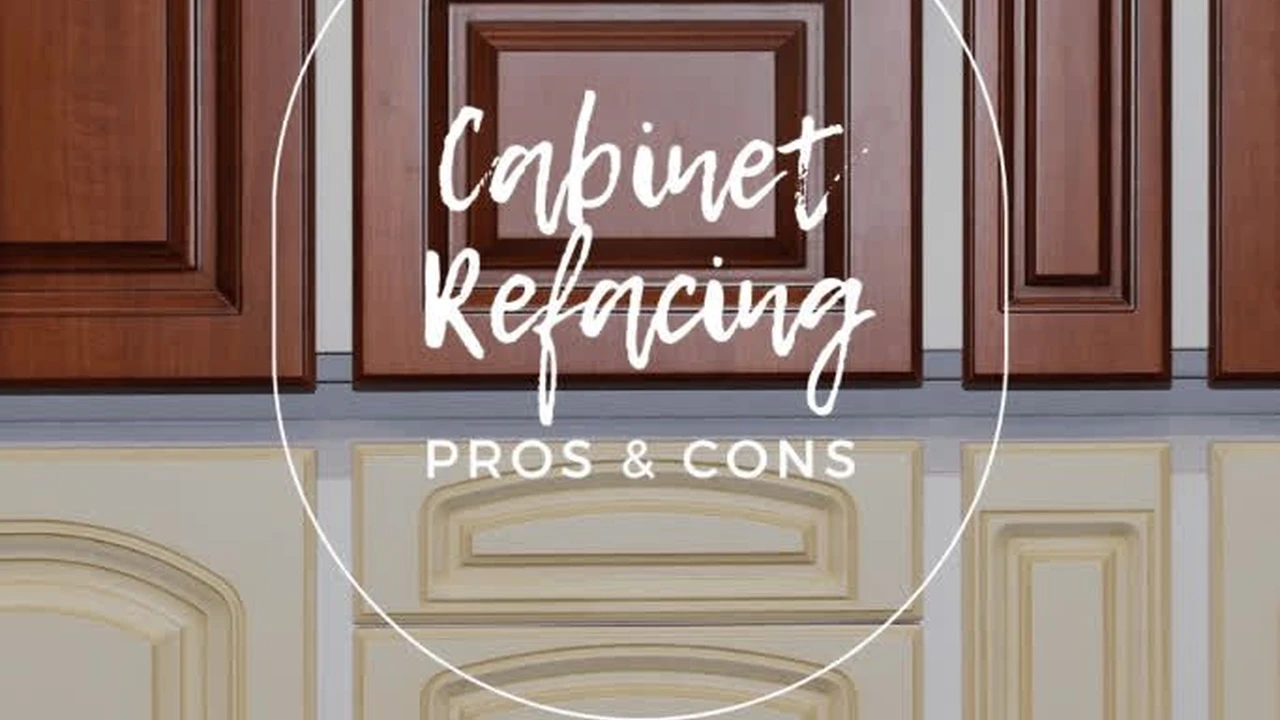
Weigh the pros and cons of kitchen cabinet refacing versus replacement. Make an informed decision for your kitchen renovation.
Weigh the pros and cons of kitchen cabinet refacing versus replacement. Make an informed decision for your kitchen renovation.
8 Kitchen Cabinet Refacing vs Replacement Pros and Cons
Understanding Your Kitchen Cabinet Options Refacing vs Replacement
So, you're dreaming of a kitchen refresh, but those cabinets are looking a little tired, right? You've probably heard terms like 'refacing' and 'replacement' thrown around, and it can get a bit confusing. Don't worry, we're here to break it down for you, making it super easy to understand the differences, benefits, and drawbacks of each. Think of this as your friendly guide to making the best decision for your home, your budget, and your sanity!
When it comes to giving your kitchen a facelift, your cabinets are often the star of the show. They take up a lot of visual space and play a huge role in both the aesthetics and functionality of your kitchen. So, choosing between refacing and replacing isn't just about looks; it's about making a smart investment that will serve you well for years to come.
Kitchen Cabinet Refacing What It Is and Why Consider It
Let's start with refacing. What exactly does that mean? Imagine your existing cabinet boxes are perfectly fine – sturdy, well-placed, and you're happy with the layout. Refacing is essentially giving those boxes a brand-new skin. This involves replacing all the cabinet doors and drawer fronts with new ones, and then applying a new veneer (a thin layer of material) to the exposed cabinet frames. It's like a cosmetic makeover for your cabinets!
Pros of Kitchen Cabinet Refacing
- Cost Savings for Kitchen Cabinets: This is often the biggest draw. Refacing can be significantly cheaper than a full replacement, sometimes saving you 30-50% of the cost. You're reusing the existing cabinet boxes, which cuts down on material and labor costs.
- Less Disruption to Your Kitchen: A full kitchen demolition can be a nightmare. Refacing is much less invasive. You can often keep using your kitchen during the process, and the project typically takes less time, meaning less dust, less noise, and less inconvenience for your family.
- Eco-Friendly Kitchen Renovation: By reusing your existing cabinet boxes, you're sending less waste to the landfill. It's a more sustainable choice for environmentally conscious homeowners.
- Faster Project Completion for Kitchen Updates: Because there's no demolition or major structural work, refacing projects are generally completed much faster than full replacements. You could have a 'new' kitchen in a matter of days or a couple of weeks, rather than months.
- Maintain Your Existing Kitchen Layout: If you love your current kitchen layout and it works perfectly for your space, refacing allows you to keep it exactly as is. No need to rethink plumbing or electrical lines.
Cons of Kitchen Cabinet Refacing
- Limited Layout Changes for Kitchen Design: This is the flip side of maintaining your layout. If you want to move appliances, add an island, or change the overall footprint of your kitchen, refacing won't cut it.
- Internal Cabinet Condition Matters: Refacing only addresses the exterior. If your cabinet interiors are damaged, warped, or poorly organized, refacing won't fix those issues. You'll still be stuck with the same internal problems.
- Cost Can Still Be Significant: While cheaper than replacement, refacing isn't 'cheap.' High-quality materials and professional installation can still add up, especially if you choose premium veneers or custom doors.
- Potential for Inconsistent Finish: If not done by a skilled professional, there can be slight variations in the finish between the new doors/drawer fronts and the veneered cabinet frames. This is rare with good installers but something to be aware of.
- Not a Structural Fix for Kitchen Cabinets: If your cabinet boxes are structurally unsound, water-damaged, or falling apart, refacing is just putting lipstick on a pig. You'll need a full replacement.
Kitchen Cabinet Replacement When a Full Overhaul is Necessary
Now, let's talk about replacement. This is exactly what it sounds like: ripping out all your old cabinets – boxes, doors, drawer fronts, everything – and installing brand-new ones. It's a complete fresh start for your kitchen cabinetry.
Pros of Kitchen Cabinet Replacement
- Complete Design Freedom for Your Kitchen: This is where replacement shines. You can completely change your kitchen layout, add new cabinets, remove old ones, change the height, depth, and style. The world is your oyster!
- Improved Functionality and Storage Solutions: New cabinets come with all the latest bells and whistles: soft-close drawers, pull-out shelves, pantry organizers, spice racks, and more. You can design a kitchen that perfectly suits your cooking style and storage needs.
- Enhanced Durability and Longevity: New cabinets mean new, sturdy boxes. You're starting fresh with high-quality materials that are built to last, often coming with long warranties.
- Increased Home Value and Appeal: A brand-new kitchen is a huge selling point for any home. It offers a significant return on investment and can dramatically increase your property's value and curb appeal.
- Opportunity for Structural Repairs: When you remove old cabinets, it's the perfect time to address any underlying issues like damaged drywall, plumbing leaks, or electrical problems. You get a clean slate.
Cons of Kitchen Cabinet Replacement
- Higher Cost for Kitchen Remodeling: This is the most significant drawback. Full cabinet replacement is a major investment, often costing two to three times more than refacing.
- Longer Project Timeline and Disruption: Get ready for some inconvenience. A full replacement involves demolition, installation, and often other related work (countertops, flooring, etc.), meaning your kitchen will be out of commission for weeks, if not months.
- More Waste Generated from Kitchen Demolition: Tearing out old cabinets means a lot of material ends up in landfills, which isn't ideal for the environment.
- Potential for Unexpected Issues: Once you start tearing things out, you might uncover hidden problems like mold, outdated wiring, or plumbing issues, which can add to the cost and timeline.
- Requires Professional Installation for Best Results: While some DIYers might attempt parts of it, a full cabinet replacement is a complex job best left to experienced professionals to ensure proper installation and alignment.
Key Factors to Consider When Deciding Refacing vs Replacement
Okay, so you've got the basic pros and cons. Now, how do you actually make the decision? Here are some crucial questions to ask yourself:
Your Existing Kitchen Cabinet Condition and Structure
Are your current cabinet boxes solid? Do they show signs of water damage, warping, or structural weakness? If the boxes themselves are in poor shape, refacing isn't a viable option. You'll need to replace them.
Your Desired Kitchen Layout Changes and Functionality
Are you happy with your current kitchen layout? Do you wish you had more storage, a different appliance configuration, or an island? If you're dreaming of a completely new layout or significantly improved functionality (like adding pull-out pantries or larger drawers), replacement is likely your best bet.
Your Kitchen Renovation Budget and Financial Planning
This is a big one. How much are you willing to spend? Refacing typically ranges from $4,000 to $15,000 for an average-sized kitchen, while replacement can easily go from $10,000 to $50,000+, depending on the size, materials, and customization. Be realistic about what you can afford.
Your Timeline for Kitchen Renovation Project
How quickly do you need your kitchen updated? If you're on a tight schedule, refacing will get you there faster. If you have the luxury of time, a full replacement might be worth the wait.
Your Aesthetic Goals and Design Preferences
What kind of look are you going for? Refacing offers a wide range of styles, colors, and finishes for doors and veneers. However, replacement gives you access to every possible cabinet style, material, and custom feature imaginable.
Popular Cabinet Refacing Materials and Styles
If you're leaning towards refacing, you'll be happy to know there are tons of options to choose from to get that fresh look:
Laminate and Thermofoil Kitchen Cabinet Refacing
These are often the most budget-friendly options. Laminate and thermofoil are synthetic materials that come in a vast array of colors and patterns, mimicking wood grains or solid colors. They are durable, easy to clean, and resistant to moisture. However, they can sometimes chip or peel over time, especially with excessive heat.
Wood Veneer Kitchen Cabinet Refacing
For a more natural look, wood veneers are thin slices of real wood applied to the cabinet boxes. You can choose from various wood species like oak, maple, cherry, or walnut. This gives you the warmth and beauty of real wood at a lower cost than solid wood cabinets. They can be stained or painted to match your desired aesthetic.
Solid Wood Kitchen Cabinet Doors and Drawer Fronts
While the boxes are veneered, you can opt for brand new solid wood doors and drawer fronts. This gives you the ultimate in durability and a premium feel. You can choose from different wood types, panel styles (shaker, raised panel, flat panel), and finishes. This is a more expensive refacing option but offers a high-end result.
Top Cabinet Replacement Brands and Product Recommendations
If you've decided a full replacement is the way to go, here are some popular brands and types of cabinets to consider, along with typical price ranges (these are estimates and can vary wildly based on location, materials, and customization):
Budget-Friendly Kitchen Cabinet Brands
- IKEA Kitchen Cabinets (SEKTION System):
- Description: Known for their modular design, modern aesthetics, and DIY-friendly assembly. IKEA offers a wide range of door styles, finishes, and internal organizers.
- Pros: Very affordable, good for modern and minimalist designs, excellent internal storage solutions, easy to customize with third-party doors.
- Cons: Assembly required (can be time-consuming), limited custom sizing, some find the quality not as high as custom cabinets.
- Typical Price Range (for an average kitchen): $3,000 - $10,000 (excluding installation).
- Use Case: Perfect for first-time homeowners, rental properties, or those on a strict budget who want a modern look.
- Home Depot or Lowe's Stock Cabinets (e.g., Hampton Bay, Project Source):
- Description: Readily available, pre-assembled or RTA (ready-to-assemble) options. Offer basic styles and finishes.
- Pros: Immediate availability, very affordable, good for quick renovations.
- Cons: Limited selection, often lower quality materials (particle board), fewer customization options, can look generic.
- Typical Price Range (for an average kitchen): $2,500 - $8,000 (excluding installation).
- Use Case: Budget-conscious renovations, utility rooms, or situations where speed is paramount.
Mid-Range Kitchen Cabinet Brands
- KraftMaid Kitchen Cabinets:
- Description: A popular choice for semi-custom cabinetry, offering a good balance of quality, style, and customization options. Available through dealers and big box stores.
- Pros: Wide variety of door styles, finishes, and wood types; good quality construction (plywood boxes available); decent customization for a semi-custom line.
- Cons: Can get pricey with upgrades, lead times can be several weeks.
- Typical Price Range (for an average kitchen): $8,000 - $25,000 (excluding installation).
- Use Case: Homeowners looking for a significant upgrade in quality and style without breaking the bank, good for long-term homes.
- Shenandoah Cabinetry (available at Lowe's):
- Description: Another strong contender in the semi-custom market, offering a good range of styles and finishes with decent construction.
- Pros: Good value for money, solid wood doors and drawer fronts, various organizational accessories.
- Cons: Customization is not as extensive as true custom cabinets, lead times apply.
- Typical Price Range (for an average kitchen): $7,000 - $20,000 (excluding installation).
- Use Case: Similar to KraftMaid, for those seeking a balance of quality, aesthetics, and budget.
High-End and Custom Kitchen Cabinet Brands
- Wood-Mode Kitchen Cabinets:
- Description: Known for exquisite craftsmanship, premium materials, and virtually unlimited customization. These are truly bespoke cabinets.
- Pros: Unmatched quality, durability, and attention to detail; completely custom designs to fit any space or vision; wide range of exotic woods and finishes.
- Cons: Very expensive, long lead times, requires professional design and installation.
- Typical Price Range (for an average kitchen): $25,000 - $75,000+ (excluding installation).
- Use Case: Luxury homes, homeowners with very specific design requirements, or those seeking the absolute best in quality and customization.
- Plain & Fancy Custom Cabinetry:
- Description: Another top-tier custom cabinet maker, offering handcrafted cabinetry with a focus on traditional and transitional styles, though modern options are available.
- Pros: Exceptional build quality, beautiful finishes, highly personalized designs, excellent customer service through authorized dealers.
- Cons: Premium pricing, extensive design process, long production times.
- Typical Price Range (for an average kitchen): $20,000 - $60,000+ (excluding installation).
- Use Case: Discerning homeowners who value artisanal quality, unique designs, and a truly custom kitchen experience.
DIY Cabinet Refacing vs Professional Installation
Can you DIY cabinet refacing? Absolutely! There are kits available, and if you're handy, you can save a lot on labor costs. However, it's a meticulous job that requires patience, precision, and attention to detail. Any mistakes in cutting veneers or applying adhesives will be very noticeable. For a flawless, professional-looking finish, especially with wood veneers or complex door styles, hiring a professional refacing company is often worth the investment.
DIY Cabinet Replacement vs Professional Installation
Replacing cabinets yourself is a much bigger undertaking. It involves demolition, precise measurements, leveling, securing cabinets to walls, and often dealing with plumbing and electrical. While some very experienced DIYers might tackle it, for most homeowners, professional installation is highly recommended. Incorrectly installed cabinets can lead to uneven countertops, doors that don't close properly, and even safety hazards.
Maximizing Your Investment Smart Choices for Kitchen Cabinets
No matter which path you choose, you want to make sure you're getting the most bang for your buck. Here are some tips:
Prioritize Quality Over Trends for Kitchen Cabinets
Trends come and go, but quality lasts. Invest in durable materials and good construction, whether you're refacing or replacing. A timeless design will serve you better in the long run than something that will look dated in a few years.
Consider Long-Term Durability and Maintenance
Think about how you use your kitchen. Do you have kids? Pets? Are you a messy cook? Choose materials and finishes that can stand up to your lifestyle and are easy to clean and maintain.
Get Multiple Quotes for Kitchen Cabinet Projects
Always get at least three quotes from different contractors or companies for both refacing and replacement. This will give you a good idea of the market rate and help you compare services and materials.
Understand Warranties and Guarantees for Kitchen Cabinets
Ask about warranties on materials and labor. A good warranty provides peace of mind and protects your investment in case something goes wrong.
Final Thoughts on Your Kitchen Cabinet Decision
Choosing between refacing and replacing your kitchen cabinets is a big decision, but hopefully, this guide has made it a little clearer. There's no single 'right' answer; it all depends on your specific situation, your budget, your desired outcome, and the condition of your existing cabinets. Take your time, weigh the pros and cons carefully, and don't be afraid to consult with professionals to get expert advice tailored to your home. Happy renovating!
:max_bytes(150000):strip_icc()/277019-baked-pork-chops-with-cream-of-mushroom-soup-DDMFS-beauty-4x3-BG-7505-5762b731cf30447d9cbbbbbf387beafa.jpg)