Comparing 5 Types of Energy-Efficient HVAC Systems
Compare 5 popular types of energy-efficient HVAC systems for optimal home comfort and savings. Choose the best system.
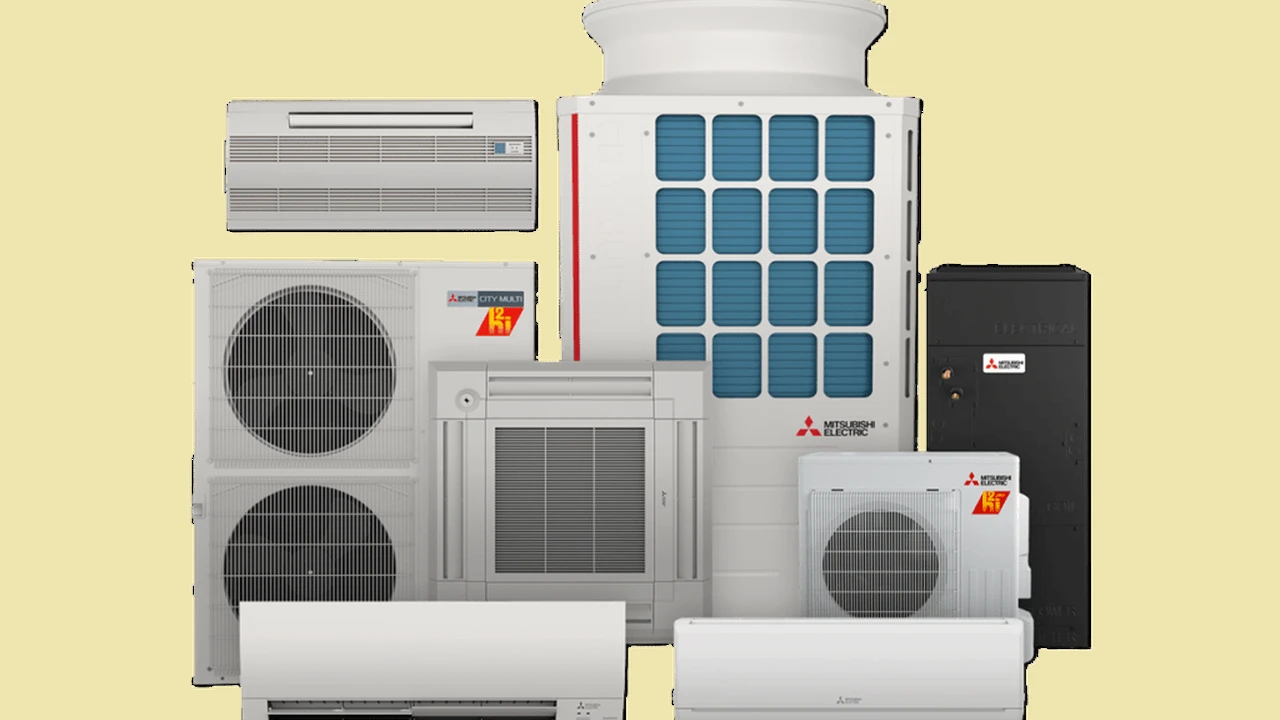
Compare 5 popular types of energy-efficient HVAC systems for optimal home comfort and savings. Choose the best system.
Comparing 5 Types of Energy-Efficient HVAC Systems
Hey there, homeowners! Are you tired of those sky-high energy bills, or maybe your old HVAC system just isn't cutting it anymore? If you're looking to upgrade your home's heating, ventilation, and air conditioning, going energy-efficient is a smart move. Not only will you save a ton of money in the long run, but you'll also be doing your part for the environment. But with so many options out there, how do you pick the right one? Don't sweat it! We're going to break down five popular types of energy-efficient HVAC systems, compare their features, discuss their ideal use cases, and even give you some product recommendations and price ranges. Let's dive in!
Understanding Energy-Efficient HVAC Systems for Home Comfort
Before we get into the nitty-gritty of each system, let's quickly chat about what makes an HVAC system 'energy-efficient.' It basically means the system uses less energy to achieve the same level of heating or cooling compared to older, less efficient models. This is often measured by ratings like SEER (Seasonal Energy Efficiency Ratio) for cooling, HSPF (Heating Seasonal Performance Factor) for heating, and AFUE (Annual Fuel Utilization Efficiency) for furnaces. Higher numbers generally mean better efficiency. Investing in a high-efficiency system might have a higher upfront cost, but the savings on your monthly utility bills can be substantial, often paying for themselves over the system's lifespan.
1. Central Air Conditioners and Furnaces High Efficiency Models
This is probably the most common type of HVAC system you'll find, especially in the US. It consists of an outdoor air conditioning unit and an indoor furnace, often paired with an evaporator coil. High-efficiency models of these systems have significantly improved over the years, offering better cooling and heating with less energy consumption.
How High Efficiency Central AC and Furnaces Work
A central air conditioner cools your home by circulating refrigerant between an indoor coil and an outdoor unit. The indoor unit removes heat and humidity from your home's air, and the outdoor unit releases that heat. High-efficiency models often feature multi-stage compressors or variable-speed blowers, which allow them to operate at different capacities depending on your home's needs. This means they don't always run at full blast, saving energy. Furnaces, on the other hand, heat air by burning natural gas or propane, and then distribute that warm air through your home's ductwork. High-efficiency furnaces often have sealed combustion chambers and secondary heat exchangers to capture more heat, leading to higher AFUE ratings.
Ideal Use Cases for Central HVAC Systems
Central AC and furnaces are best for homes with existing ductwork or those undergoing major renovations where new ductwork can be easily installed. They're great for cooling and heating entire homes evenly. If you live in an area with distinct hot summers and cold winters, a high-efficiency central system can be a very effective all-in-one solution.
Recommended High Efficiency Central AC and Furnace Products
- Carrier Infinity 21 Central Air Conditioner (24ANB1): This unit boasts up to 21 SEER, making it one of the most efficient on the market. It features a two-stage compressor for optimal comfort and quiet operation. Paired with a compatible Carrier Infinity furnace, it offers excellent whole-home climate control.
- Lennox SLP99V Variable-Capacity Gas Furnace: With an AFUE rating of up to 99%, this furnace is incredibly efficient. It uses a variable-capacity burner to precisely control heating, ensuring consistent temperatures and lower energy use.
- Trane XV20i Variable Speed Air Conditioner: Offering up to 22 SEER, the Trane XV20i is known for its reliability and quiet operation. Its variable-speed compressor adjusts to maintain precise temperatures, reducing energy waste.
Estimated Cost Range for Central HVAC Systems
For a high-efficiency central AC and furnace system, you're typically looking at a total installed cost ranging from $7,000 to $15,000+. This can vary significantly based on the brand, SEER/AFUE ratings, the size of your home, and installation complexity (e.g., if new ductwork is needed).
2. Heat Pumps Air Source for Efficient Heating and Cooling
Heat pumps are incredibly versatile and energy-efficient because they don't generate heat; they simply move it. In the summer, they move heat from inside your home to the outside, just like an air conditioner. In the winter, they reverse the process, extracting heat from the outdoor air (even cold air contains heat!) and transferring it indoors.
How Air Source Heat Pumps Work
An air source heat pump consists of an outdoor unit and an indoor unit, similar to a central AC. The magic lies in the refrigerant cycle, which can be reversed. During heating, the outdoor coil acts as an evaporator, absorbing heat from the outside air. The refrigerant then moves to the indoor coil, where it condenses and releases heat into your home. During cooling, the process is reversed. Modern heat pumps are highly efficient, especially in moderate climates, and many can operate effectively even when outdoor temperatures drop below freezing.
Ideal Use Cases for Air Source Heat Pumps
Heat pumps are an excellent choice for homes in climates with moderate winters, where temperatures don't consistently drop far below freezing. They provide both heating and cooling in one system, making them a great all-in-one solution. They're also a good option for homeowners looking to reduce their reliance on fossil fuels, as they primarily use electricity.
Recommended Air Source Heat Pump Products
- Mitsubishi Electric Hyper-Heating INVERTER (H2i) Systems: These ductless mini-split heat pumps are fantastic for zoned heating and cooling, and their H2i technology allows them to provide heat even in extremely cold temperatures (down to -13°F or -25°C).
- Goodman GSZC18 Heat Pump: Offering up to 19 SEER and 10 HSPF, this is a highly efficient split-system heat pump. It's known for its reliability and comes with a good warranty.
- Rheem Prestige Series RP20 Heat Pump: With a SEER rating up to 20 and HSPF up to 13, the RP20 is a top-tier heat pump. It features a variable-speed compressor for precise temperature control and quiet operation.
Estimated Cost Range for Air Source Heat Pumps
The installed cost for an air source heat pump system can range from $6,000 to $12,000+, depending on whether it's a ducted split system or a ductless mini-split, the size of your home, and the specific model's efficiency ratings.
3. Ductless Mini Split Systems Zoned Comfort Solutions
Ductless mini-split systems are a fantastic solution for homes without existing ductwork, or for homeowners who want to create zoned heating and cooling. Instead of one central unit, they use an outdoor compressor/condenser unit connected to multiple indoor air-handling units, each controlling a specific zone or room.
How Ductless Mini Split Systems Work
Each indoor unit (often mounted on a wall, ceiling, or floor) is connected to the outdoor unit via a small conduit that houses the refrigerant lines, power cable, and condensate drain. This eliminates the need for extensive ductwork, which can be a major source of energy loss in traditional systems. Each indoor unit can be controlled independently, allowing you to heat or cool only the rooms you're using, saving a lot of energy. Many mini-splits are also heat pumps, providing both heating and cooling.
Ideal Use Cases for Ductless Mini Split Systems
Mini-splits are perfect for additions, converted attics or garages, older homes without ductwork, or for creating zoned comfort in specific areas of your home. They're also great for small apartments or individual rooms where you want precise temperature control without affecting the entire house. If you're looking for flexibility and energy savings by only conditioning occupied spaces, mini-splits are a strong contender.
Recommended Ductless Mini Split Products
- LG Art Cool Gallery Mini Split: These units are not only efficient but also stylish, allowing you to display custom artwork or photos. They offer excellent cooling and heating performance with high SEER and HSPF ratings.
- Daikin Emura Mini Split: Known for its sleek design and advanced features, the Daikin Emura offers superior comfort and energy efficiency. It's a great choice for homeowners who prioritize aesthetics alongside performance.
- Fujitsu Halcyon Mini Split Systems: Fujitsu offers a wide range of mini-split options, including multi-zone systems, known for their quiet operation and reliable performance, even in colder climates.
Estimated Cost Range for Ductless Mini Split Systems
The cost for a single-zone ductless mini-split system can range from $2,000 to $5,000 installed. For multi-zone systems with several indoor units, the cost can go up to $8,000 to $15,000+, depending on the number of zones and the system's capacity.
4. Geothermal Heat Pumps Ultimate Efficiency and Sustainability
If you're serious about energy efficiency and sustainability, geothermal heat pumps are at the top of the game. These systems tap into the stable temperature of the earth to provide incredibly efficient heating and cooling.
How Geothermal Heat Pumps Work
Geothermal systems use an underground loop system (pipes buried in your yard) filled with a water-based solution. In winter, the fluid absorbs heat from the earth and carries it to the heat pump, which then distributes warm air throughout your home. In summer, the process reverses: the system extracts heat from your home and transfers it to the cooler earth. Because the ground temperature is much more stable than the air temperature, geothermal systems are consistently efficient, regardless of extreme outdoor weather conditions.
Ideal Use Cases for Geothermal Heat Pumps
Geothermal systems are ideal for homeowners looking for the absolute highest efficiency and long-term savings, and who have sufficient land for the ground loop installation. They are a significant investment upfront but offer the lowest operating costs and a very long lifespan (the ground loops can last 50+ years). They're also great for those committed to reducing their carbon footprint, as they use renewable energy from the earth.
Recommended Geothermal Heat Pump Products
- WaterFurnace 7 Series Geothermal Heat Pump: The 7 Series is one of the most advanced geothermal systems available, offering incredible efficiency (up to 41 EER and 5.3 COP). It's designed for ultimate comfort and quiet operation.
- Bosch Greensource CDi Series Geothermal Heat Pump: Bosch offers reliable and highly efficient geothermal systems known for their robust construction and excellent performance. They come in various configurations to suit different home sizes.
- ClimateMaster Trilogy 45 QMode Geothermal Heat Pump: This system boasts industry-leading efficiency and provides precise temperature control. It's designed for maximum comfort and significant energy savings.
Estimated Cost Range for Geothermal Heat Pumps
Geothermal systems have the highest upfront cost due to the excavation and installation of the ground loops. You can expect to pay anywhere from $20,000 to $45,000+ for a fully installed system. However, significant federal tax credits and sometimes state/local incentives can help offset these costs, making them a more attractive long-term investment.
5. Hybrid Dual Fuel Systems Blending Efficiency and Reliability
A hybrid or dual-fuel system combines the best of both worlds: the energy efficiency of a heat pump with the powerful heating capabilities of a traditional gas furnace. This intelligent system automatically switches between the two fuel sources to optimize comfort and energy savings.
How Hybrid Dual Fuel Systems Work
In milder weather, the system primarily uses the electric heat pump for heating, which is very efficient. As outdoor temperatures drop below a certain point (the 'balance point,' typically around 35-40°F or 2-4°C), the system automatically switches to the gas furnace. The furnace provides more intense heat when needed, ensuring your home stays warm even on the coldest days. This intelligent switching ensures you're always using the most cost-effective and efficient heating method available.
Ideal Use Cases for Hybrid Dual Fuel Systems
Hybrid systems are perfect for homes in climates with cold winters where a heat pump alone might struggle to keep up, but where you still want to take advantage of a heat pump's efficiency during milder periods. If you have access to natural gas and are looking for a balance between energy savings and reliable heating in extreme cold, a dual-fuel system is an excellent choice. It offers peace of mind knowing you'll always have sufficient heat.
Recommended Hybrid Dual Fuel System Products
- Carrier Infinity 20 Heat Pump with Greenspeed Intelligence (25VNA0) paired with a Carrier Infinity Gas Furnace: This combination offers exceptional efficiency and comfort. The Greenspeed intelligence allows the heat pump to precisely match heating and cooling needs, while the furnace provides powerful backup.
- Lennox XP25 Heat Pump paired with a Lennox SLP99V Gas Furnace: This premium pairing delivers top-tier efficiency (up to 20 SEER, 10.2 HSPF, 99% AFUE) and quiet operation. The system intelligently manages energy use for optimal savings.
- Trane XV18 TruComfort Variable Speed Heat Pump paired with a Trane S9V2 Gas Furnace: This Trane system provides reliable and efficient heating and cooling. The variable-speed technology ensures consistent temperatures and lower energy bills, with the furnace kicking in when temperatures plummet.
Estimated Cost Range for Hybrid Dual Fuel Systems
The installed cost for a hybrid dual-fuel system typically falls between $8,000 and $18,000+. This range accounts for the heat pump, furnace, and the necessary controls to manage the system's intelligent switching. Factors like brand, efficiency ratings, and installation complexity will influence the final price.
Key Considerations When Choosing Your Energy-Efficient HVAC System
Alright, so we've covered the five main types. Now, how do you make the final decision? Here are a few crucial things to think about:
Climate and Regional Weather Patterns
Your local climate is a huge factor. If you live in a region with mild winters, a standard air source heat pump might be perfectly sufficient. If you experience harsh, freezing winters, a hybrid system or even geothermal might be a better fit to ensure consistent comfort without breaking the bank on auxiliary heat. For consistently hot climates, a high-SEER central AC or heat pump is key.
Home Size and Existing Ductwork Infrastructure
The size of your home dictates the capacity of the system you'll need. A professional HVAC technician will perform a load calculation to determine the right size. If your home already has ductwork in good condition, a central AC/furnace or ducted heat pump is often the most straightforward option. If you have no ductwork or want zoned control, mini-splits become very attractive. Geothermal requires space for ground loops, which might not be feasible for every property.
Budget Upfront Investment vs Long Term Savings
While energy-efficient systems often have a higher initial cost, remember to look at the long-term picture. The energy savings over the system's lifespan can easily offset that initial investment. Geothermal, for example, has the highest upfront cost but the lowest operating costs. Consider your budget for both the purchase and installation, and factor in potential rebates or tax credits.
Installation Complexity and Maintenance Requirements
Some systems are more complex to install than others. Geothermal, with its ground loops, requires significant excavation. Mini-splits are generally less invasive than installing new ductwork. Also, consider ongoing maintenance. All HVAC systems require regular maintenance to operate efficiently and prolong their lifespan. Ask about typical maintenance schedules and costs for each system type.
Personal Comfort Preferences and Zoned Control Needs
Do you like your entire home to be one consistent temperature, or do you prefer different temperatures in different rooms? Central systems typically provide whole-home comfort, while mini-splits excel at zoned control. Heat pumps and hybrid systems offer excellent comfort, but their performance can vary with extreme temperatures. Think about what's most important for your family's comfort.
Making the Right Choice for Your Home
Choosing the right energy-efficient HVAC system is a big decision, but it's one that can significantly impact your comfort and your wallet for years to come. There's no single 'best' system; it all depends on your specific needs, climate, budget, and home characteristics. The best advice I can give you is to get quotes from several reputable HVAC contractors. They can assess your home, perform a load calculation, and recommend the best options for you. Don't be afraid to ask lots of questions about efficiency ratings, warranties, installation processes, and maintenance. With a little research and professional guidance, you'll be enjoying optimal home comfort and lower energy bills in no time!
:max_bytes(150000):strip_icc()/277019-baked-pork-chops-with-cream-of-mushroom-soup-DDMFS-beauty-4x3-BG-7505-5762b731cf30447d9cbbbbbf387beafa.jpg)