8 Common Roof Problems and How to Identify Them
Learn about 8 common roof problems and how to identify them early. Prevent major damage with timely inspections.
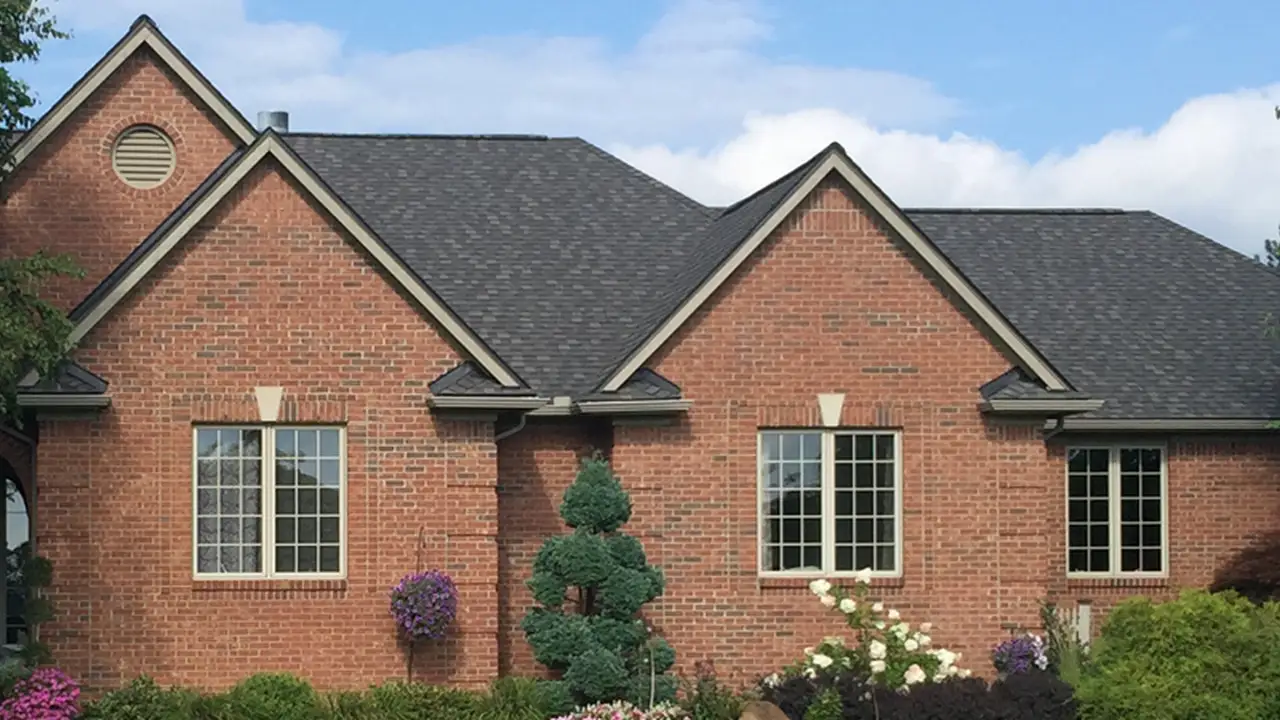
Learn about 8 common roof problems and how to identify them early. Prevent major damage with timely inspections. Your roof is your home's first line of defense against the elements, so keeping it in good shape is super important. Ignoring small issues can lead to big, expensive problems down the road. This guide will walk you through the most common roof problems homeowners face and teach you how to spot them before they become a nightmare. We'll also chat about some products that can help with early detection and temporary fixes.
8 Common Roof Problems and How to Identify Them
Understanding Your Roof's Vulnerabilities: Why Early Detection Matters
Your roof takes a beating from sun, rain, wind, and snow, day in and day out. Over time, this constant exposure can lead to wear and tear. Think of it like your car – regular maintenance prevents breakdowns. The same goes for your roof. Catching problems early means you can often fix them with a simple repair, saving you thousands compared to a full roof replacement. Plus, a healthy roof protects your home's interior from water damage, mold, and structural issues. So, let's get savvy about spotting those red flags!Problem 1: Missing or Damaged Shingles – Your Roof's First Line of Defense
Missing or damaged shingles are probably the most obvious sign of roof trouble. Shingles are designed to overlap, creating a waterproof barrier. When they're gone or broken, that barrier is compromised, leaving your roof decking exposed to water.How to Spot It:
- On the Ground: After a strong storm, take a walk around your house. Do you see shingle pieces in your yard or driveway? That's a clear sign.
- From a Distance: Look at your roof from different angles. Are there any bare spots where shingles should be? Do some shingles look curled, cracked, or blistered? Curled shingles often indicate aging or improper installation. Cracks can be caused by UV exposure or impact. Blistering looks like small bubbles and is usually a sign of manufacturing defects or poor ventilation.
- In the Gutters: Granules from asphalt shingles can wash into your gutters as they age. A small amount is normal, but a significant accumulation means your shingles are deteriorating rapidly.
What Causes It:
High winds are a common culprit for missing shingles. Hail can cause impact damage, leading to cracks or granule loss. Extreme temperature fluctuations can also cause shingles to expand and contract, leading to cracking over time. Poor installation, where shingles aren't properly nailed, can also make them more susceptible to wind uplift.Recommended Products for Inspection and Temporary Fixes:
- Binoculars: For a safe, close-up view from the ground.
- Roofing Cement/Sealant: For temporarily reattaching loose shingles or sealing small cracks. Brands like Henry 208 Wet Patch Roof Cement (around $15-25 for a 0.9-gallon tub) or Gardner-Gibson Wet-R-Dri Roof Cement (similar price range) are good options. They work even on wet surfaces, which is handy for emergency repairs.
- Replacement Shingles: If you have spare shingles from the original installation, great! Otherwise, you might need to buy a small bundle to match. Prices vary widely by type and brand, but a bundle of asphalt shingles might cost $30-60.
Problem 2: Leaks and Water Stains – The Silent Destroyer
Water leaks are perhaps the most dreaded roof problem because they can cause extensive damage to your home's interior, leading to mold, rot, and compromised structural integrity. The tricky part is that the leak source might be far from where you see the water stain.How to Spot It:
- Inside Your Home: Look for water stains on ceilings or walls, especially in upper-level rooms or near fireplaces and vents. These stains often appear yellowish or brownish.
- Attic Inspection: This is your best bet for finding leaks early. Grab a flashlight and look for water stains on the underside of the roof decking, rafters, or insulation. You might also see mold growth or a musty smell.
- Dripping Sounds: During or after rain, listen for any dripping sounds, particularly in the attic or near exterior walls.
Common Leak Locations:
Leaks often occur around penetrations in the roof, such as:- Chimneys: Flashing around chimneys can deteriorate or become dislodged.
- Vents: Plumbing vents, exhaust vents, and attic vents all require proper flashing.
- Skylights: Seals around skylights can fail over time.
- Valleys: These are the areas where two roof planes meet, forming a V-shape. They channel a lot of water, so proper sealing is crucial.
- Missing Shingles: As mentioned, exposed decking is an open invitation for water.
Recommended Products for Leak Detection and Temporary Sealing:
- Moisture Meter: A non-invasive tool to detect moisture in walls and ceilings. Brands like General Tools MMD4E Digital Moisture Meter (around $30-50) are great for homeowners.
- Roofing Tar/Sealant: For temporary sealing around flashing or small holes. Black Jack Speed Patch (around $10-20 for a small tub) is a quick-drying option.
- Plastic Sheeting/Tarps: For emergency coverage of a larger damaged area. A 20x20 ft tarp can cost $20-50 depending on thickness.
Problem 3: Sagging Roof Decking – A Structural Concern
A sagging roof is a serious issue that indicates a structural problem. It means your roof decking or framing might be weakening, which can be dangerous.How to Spot It:
- From the Exterior: Look at your roofline from the street. Does it appear to dip or sag in certain areas? It should be relatively straight.
- In the Attic: This is where you'll get the clearest view. Look at the roof decking (the plywood or OSB beneath the shingles). Are there any areas that look bowed or soft? Also, inspect the rafters and trusses for signs of rot, cracks, or excessive deflection.
What Causes It:
- Water Damage: Prolonged leaks can cause the wood decking to rot and weaken.
- Improper Installation: If the roof was not framed correctly or if the wrong type/thickness of decking was used, it can sag under the weight of shingles and snow.
- Heavy Loads: Excessive snow accumulation or even multiple layers of old shingles can put too much stress on the roof structure.
- Pest Infestation: Termites or carpenter ants can damage wooden structural components.
Action Required:
Sagging is usually not a DIY fix. This requires a professional roofing contractor or structural engineer to assess the damage and recommend repairs, which could range from replacing sections of decking to reinforcing or replacing rafters.Problem 4: Clogged or Damaged Gutters – Redirecting Water Effectively
Gutters and downspouts are crucial for directing rainwater away from your home's foundation. When they're clogged or damaged, water can overflow, leading to foundation issues, fascia rot, and even basement flooding.How to Spot It:
- Overflowing Water: During rain, observe your gutters. Is water spilling over the sides instead of flowing through the downspouts?
- Sagging Gutters: Gutters full of debris and water become heavy and can pull away from the fascia board.
- Water Stains on Fascia/Siding: Overflowing water will leave streaks or stains on the exterior of your home.
- Foundation Cracks or Basement Leaks: If water isn't diverted away, it will pool around your foundation, potentially leading to cracks or leaks in your basement.
- Debris: Visually inspect your gutters for leaves, twigs, and other debris.
What Causes It:
Leaves, pine needles, and other organic debris are the primary culprits for clogs. Ice dams in colder climates can also damage gutters. Physical impact from ladders or falling branches can bend or detach gutters.Recommended Products for Maintenance and Repair:
- Gutter Scoop: A simple tool for easily removing debris. (Around $5-15)
- Gutter Guards: These prevent debris from entering your gutters in the first place. Options range from simple mesh screens (e.g., Amerimax Home Products Snap-In Gutter Guard, $2-5 per 3-foot section) to more advanced micro-mesh systems (e.g., LeafFilter or Gutter Helmet, which are professionally installed and significantly more expensive, often $20-40+ per linear foot). For DIY, simple mesh guards are a good starting point.
- Gutter Sealant: For sealing small leaks in gutter seams. Geocel 2300 Sealant (around $10-15 per tube) is a popular choice.
- Gutter Hangers/Brackets: For reattaching sagging gutters. (Around $2-5 each)
Problem 5: Damaged Flashing – Critical Seals for Your Roof
Flashing is thin material, usually metal, installed around roof penetrations (chimneys, vents, skylights, valleys) to prevent water from seeping into the roof structure. When flashing is damaged or improperly installed, it's a prime spot for leaks.How to Spot It:
- Visually Inspect: Look for flashing that is bent, rusted, cracked, or missing.
- Loose or Missing Caulk: Flashing often relies on caulk or sealant to create a watertight seal. If the caulk is cracked, dried out, or missing, water can get in.
- Water Stains: As mentioned under leaks, water stains near chimneys, vents, or skylights are strong indicators of flashing problems.
What Causes It:
- Aging: Over time, metal flashing can corrode, and sealants can degrade due to UV exposure and temperature changes.
- Improper Installation: If flashing wasn't installed correctly from the start, it might not provide an adequate seal.
- Physical Damage: High winds, falling branches, or even animals can damage flashing.
Recommended Products for Repair:
- Roofing Cement/Sealant: For sealing small gaps or reattaching loose flashing. Flex Seal Liquid Rubber Sealant Coating (around $20-30 for a 16oz can) can be used for larger areas, but traditional roofing cement is often more durable for flashing.
- New Flashing Material: If the flashing is severely damaged, it might need to be replaced. You can buy rolls of aluminum or galvanized steel flashing at hardware stores (e.g., Master Flow Aluminum Roll Valley Flashing, around $20-40 for a 10-foot roll).
- Caulking Gun and Exterior Grade Sealant: For resealing around flashing. DAP 3.0 Advanced All-Season Exterior Sealant (around $8-12 per tube) is a good choice for its flexibility and weather resistance.
Problem 6: Poor Attic Ventilation – The Hidden Enemy of Your Roof
Good attic ventilation is crucial for the longevity of your roof and the energy efficiency of your home. Without it, heat and moisture can build up, leading to a host of problems.How to Spot It:
- High Energy Bills: If your attic is super hot in the summer, your AC has to work harder, leading to higher bills.
- Ice Dams: In cold climates, poor ventilation can cause the roof deck to be warmer than the eaves, melting snow which then refreezes at the colder eaves, forming ice dams.
- Curled or Blistered Shingles: Excessive heat in the attic can cook your shingles from below, accelerating their deterioration.
- Mold or Mildew in Attic: Moisture trapped in the attic can lead to mold growth on rafters, decking, and insulation.
- Musty Smell: A persistent musty odor in your attic is a strong indicator of moisture issues.
What Causes It:
- Blocked Vents: Soffit vents (intake) and ridge/gable vents (exhaust) can become blocked by insulation, paint, or debris.
- Insufficient Vents: Not enough vents for the size of your attic.
- Improperly Balanced System: You need a balance of intake and exhaust ventilation. If one is lacking, the system won't work effectively.
Recommended Products for Improvement:
- Soffit Vents: If your soffits are blocked or non-existent, adding continuous soffit vents (e.g., Ply Gem Aluminum Soffit Vent, around $10-20 per 8-foot section) can improve intake.
- Ridge Vents: These provide continuous exhaust along the peak of your roof. (e.g., GAF Cobra Ridge Vent, around $30-50 per 4-foot section).
- Attic Fans: Both passive (whirlybirds) and powered attic fans can help move hot air out. A basic powered attic fan (e.g., Broan-NuTone 353 Gable Mount Attic Ventilator, around $100-200) can be a good investment, especially in hot climates.
- Baffles/Ventilation Chutes: These ensure insulation doesn't block airflow from the soffit vents into the attic. (Around $2-5 per piece).
Problem 7: Algae, Moss, and Lichen Growth – More Than Just an Eyesore
While often seen as just cosmetic issues, algae, moss, and lichen can actually cause damage to your roof, especially asphalt shingles.How to Spot It:
- Dark Streaks: Black or green streaks on your shingles are usually algae (Gloeocapsa magma).
- Green, Spongy Growth: Moss typically grows in thick, green patches, often on north-facing slopes or shaded areas.
- Crusty, Flat Patches: Lichen looks like crusty, flat growths, often gray, green, or yellow, and adheres very tightly to the shingle surface.
What Causes It:
These growths thrive in damp, shaded conditions. Algae feeds on the limestone filler in asphalt shingles. Moss holds moisture against the shingle surface, which can lead to granule loss and shingle deterioration. Lichen's root-like structures can also embed into the shingle, causing damage when removed.Recommended Products for Removal and Prevention:
- Roof Cleaning Solutions: Products like Wet & Forget Outdoor Cleaner (around $20-30 per gallon) or Spray & Forget Roof Cleaner (similar price) are designed to kill algae, moss, and lichen without scrubbing. You simply spray them on and let nature do the rest over time.
- Zinc Strips: Installing zinc strips along the ridge of your roof can prevent future growth. Rain washes zinc particles down the roof, inhibiting algae and moss. (Around $20-40 for a 50-foot roll).
- Copper Strips: Similar to zinc, copper is also effective. (Slightly more expensive than zinc).
- Pressure Washer (Use with Caution!): While effective, pressure washing can damage shingles by blasting off granules. If you must use one, use a very low-pressure setting and a wide fan tip, and keep it at a distance. It's generally not recommended for asphalt shingles.
Problem 8: Fascia and Soffit Damage – The Edge of Your Roof
Fascia and soffit are the finishing elements along the eaves of your roof. Fascia is the board that runs horizontally along the edge, directly supporting the gutters. Soffit is the material that covers the underside of your roof's overhang. Damage to these components often indicates water issues or pest problems.How to Spot It:
- Rotting Wood: Look for soft, discolored, or crumbling wood on the fascia or soffit. This is usually a sign of water damage from overflowing gutters or ice dams.
- Peeling Paint: Paint peeling on fascia or soffit can indicate moisture issues.
- Pest Entry Points: Holes, nests, or signs of animal activity (e.g., droppings, gnaw marks) in the soffit can mean squirrels, birds, or other pests have found a way into your attic.
- Missing Sections: Strong winds can tear away sections of soffit or fascia.
What Causes It:
- Water Damage: As mentioned, overflowing gutters are a major cause.
- Poor Ventilation: Trapped moisture in the attic can lead to rot in the soffit.
- Pests: Animals chewing or nesting.
- Aging: Over time, materials simply degrade.
Recommended Products for Repair:
- Wood Filler/Epoxy: For small areas of rot on wood fascia or soffit. Bondo Wood Filler (around $15-25) or Minwax High-Performance Wood Filler (similar price) can be used for minor repairs.
- Replacement Fascia/Soffit Material: For larger damaged sections, you'll need to replace the material. This can be wood, vinyl, or aluminum. Vinyl soffit panels (e.g., Georgia-Pacific Vinyl Soffit, around $15-25 per 12-foot panel) are popular for their low maintenance. Aluminum fascia trim (e.g., Alcoa Aluminum Fascia, around $20-30 per 12-foot section) is also durable.
- Exterior Paint/Primer: If you're repairing wood, you'll need to prime and paint to protect it. Kilz Exterior Primer (around $20-30 per gallon) and a good quality exterior acrylic latex paint (e.g., Sherwin-Williams SuperPaint Exterior Acrylic Latex, around $70-90 per gallon) are solid choices.
- Pest Control Mesh/Hardware Cloth: For sealing up pest entry points after repairs. (Around $10-20 for a small roll).
:max_bytes(150000):strip_icc()/277019-baked-pork-chops-with-cream-of-mushroom-soup-DDMFS-beauty-4x3-BG-7505-5762b731cf30447d9cbbbbbf387beafa.jpg)