6 Ways to Make Your Home More Sustainable
Discover 6 effective ways to make your home more sustainable and environmentally friendly. Live a greener lifestyle.
Discover 6 effective ways to make your home more sustainable and environmentally friendly. Live a greener lifestyle.
6 Ways to Make Your Home More Sustainable
Hey there, eco-conscious homeowner! Are you looking to reduce your environmental footprint and make your living space a little greener? You've come to the right place. Making your home more sustainable isn't just good for the planet; it can also save you a significant amount of money on utility bills and even boost your property value. It's a win-win situation! We're going to dive into six practical and impactful ways you can transform your home into an eco-friendly haven. From big changes to small tweaks, there's something here for everyone, whether you're a seasoned DIYer or just starting your sustainability journey.
Embrace Renewable Energy Solutions for Your Home
Let's kick things off with one of the biggest game-changers: renewable energy. When most people think of sustainable homes, solar panels often come to mind, and for good reason! Harnessing the power of the sun is an excellent way to reduce your reliance on fossil fuels and generate clean electricity right from your rooftop.
Solar Panels The Sunny Side of Home Energy
Solar panels convert sunlight into electricity, which can power your entire home. Any excess energy you generate can often be sold back to the grid, potentially earning you credits or even cash. The cost of solar installation has decreased significantly over the years, and various government incentives and tax credits can make it even more affordable. For instance, in the US, the federal solar tax credit (Investment Tax Credit - ITC) can cover a substantial portion of the installation cost. Many states and local utilities also offer their own rebates and programs.
Product Spotlight Solar Panel Systems
- SunPower Equinox System: Known for its high efficiency and sleek design. SunPower panels often boast efficiency ratings above 22%, meaning they convert more sunlight into electricity per square foot. This is great for homes with limited roof space. A typical residential installation (around 6-8 kW) might cost between $18,000 - $25,000 before incentives.
- LG NeON R: Another premium option offering excellent performance and a 25-year product and performance warranty. LG panels are also highly efficient and durable, making them a solid long-term investment. Similar to SunPower, expect a price range of $17,000 - $24,000 for a standard system.
- Canadian Solar HiKu: A more budget-friendly option that still delivers reliable performance. While slightly less efficient than the premium brands, Canadian Solar offers a great balance of cost and output, making it popular in many markets, including Southeast Asia. A 6-8 kW system could range from $14,000 - $20,000.
Usage Scenario: Imagine powering your air conditioning during a hot summer day in Southeast Asia or running your heating system in a chilly American winter, all with energy generated from your own roof. It's a fantastic feeling!
Beyond Solar Wind and Geothermal Options
While solar is the most common, other renewable energy sources might be suitable depending on your location. Small-scale wind turbines can be an option for homes in windy areas, though they are less common for urban residential settings. Geothermal heating and cooling systems, which tap into the stable temperature of the earth, are incredibly efficient for climate control, though their initial installation cost can be higher due to the need for drilling.
Optimize Your Home's Energy Efficiency
Even if you're not ready for solar panels, you can still make huge strides in sustainability by focusing on energy efficiency. This means using less energy to achieve the same level of comfort and functionality in your home. Think of it as making your home a lean, mean, energy-saving machine!
Insulation and Air Sealing The Unsung Heroes
One of the most effective ways to improve energy efficiency is by ensuring your home is properly insulated and air-sealed. Gaps and cracks around windows, doors, and in your attic can lead to significant heat loss in winter and heat gain in summer, forcing your HVAC system to work overtime.
Product Spotlight Insulation Materials
- Rockwool Comfortbatt: Made from stone and slag, it's fire-resistant, water-repellent, and provides excellent thermal and acoustic insulation. It's a great choice for walls, attics, and basements. A 15-inch by 47-inch batt (R-15) might cost around $0.80 - $1.20 per square foot.
- Owens Corning PINK FIBERGLAS Insulation: A classic and widely available option. Fiberglass is effective and relatively inexpensive. Available in batts, rolls, and loose-fill. A roll of R-30 insulation for an attic might cost $0.50 - $0.90 per square foot.
- Great Stuff Pro Gaps & Cracks Insulating Foam Sealant: Essential for air sealing. This expanding foam fills small gaps and cracks, preventing drafts and energy loss. A 20 oz can typically costs $10 - $15.
Usage Scenario: Imagine a cozy winter evening in your well-insulated home in the US, where the heat stays in, or a cool afternoon in a sealed home in Malaysia, where the AC doesn't have to fight the outdoor humidity. Proper insulation makes a world of difference.
Upgrade to Energy-Efficient Appliances and Lighting
Your appliances and lighting fixtures are constant energy consumers. Upgrading to ENERGY STAR certified appliances and LED lighting can drastically cut down your electricity usage.
Product Spotlight Energy-Efficient Appliances and Lighting
- LG Energy Star Refrigerator (e.g., LG French Door Refrigerator with InstaView): These refrigerators use advanced compressors and insulation to consume significantly less energy than older models. Prices typically range from $1,500 - $3,000+.
- Bosch 800 Series Dishwasher: Known for its quiet operation and excellent cleaning, Bosch dishwashers are also highly energy and water-efficient. Expect to pay $900 - $1,300.
- Philips Hue Smart LED Bulbs: Not only are LEDs incredibly energy-efficient (using up to 90% less energy than incandescent bulbs), but smart LEDs also offer control and customization. A starter kit with a few bulbs and a hub might cost $70 - $150. Individual bulbs are $15 - $50.
Usage Scenario: Think about the cumulative savings from running an energy-efficient refrigerator 24/7, or the reduced electricity bill from switching all your home's lights to LEDs. It adds up quickly!
Conserve Water Smartly
Water is a precious resource, and conserving it at home is a crucial aspect of sustainable living. From your bathroom to your garden, there are many ways to reduce your water consumption without sacrificing comfort.
Low-Flow Fixtures and Toilets The Water Savers
Older toilets and showerheads can use an astonishing amount of water. Upgrading to low-flow models can significantly reduce your water usage.
Product Spotlight Water-Saving Fixtures
- Kohler Cimarron Comfort Height Toilet: This toilet uses only 1.28 gallons per flush (GPF) compared to older models that might use 3.5 GPF or more. Prices range from $300 - $500.
- Delta Faucet H2Okinetic Shower Head: Designed to create a feeling of more water while using less (typically 1.75 GPM or less). Costs around $50 - $150.
- Moen Arbor MotionSense Kitchen Faucet: Not only does it look great, but its motion-sensing technology helps prevent water waste by turning off automatically. Prices are typically $300 - $600.
Usage Scenario: Imagine the water savings over a year for a family of four, each taking daily showers and flushing toilets multiple times. These small changes have a big impact.
Rainwater Harvesting and Drought-Tolerant Landscaping
Outside your home, there are even more opportunities for water conservation. Rainwater harvesting involves collecting rainwater from your roof and storing it for later use, such as watering plants or washing your car. Drought-tolerant landscaping, also known as xeriscaping, uses plants that require minimal irrigation, perfect for drier climates or simply reducing your water bill.
Product Spotlight Rain Barrels and Xeriscaping Plants
- Good Ideas Rain Wizard 50 Gallon Rain Barrel: A popular and easy-to-install option for collecting rainwater. Costs around $100 - $150.
- Native Plants: Research native plants for your specific region. They are naturally adapted to the local climate and require less water and maintenance. For example, in the American Southwest, succulents and cacti are excellent choices. In parts of Southeast Asia, plants like Bougainvillea or Frangipani are drought-tolerant once established.
Usage Scenario: Picture a lush garden in California or a vibrant patio in Singapore, thriving on collected rainwater and plants that don't demand constant watering. It's beautiful and responsible.
Reduce Waste and Embrace Recycling
Waste reduction is a cornerstone of sustainable living. It's not just about what you throw away, but also about what you bring into your home and how you manage it.
Composting Your Way to Less Landfill
Food scraps and yard waste make up a significant portion of household trash. Composting these organic materials diverts them from landfills, where they produce harmful methane gas, and turns them into nutrient-rich soil for your garden.
Product Spotlight Composting Solutions
- Vitamix FoodCycler FC-50: An indoor electric food recycler that breaks down food waste into a dry, odorless material in just a few hours. Perfect for urban dwellers or those who prefer not to have an outdoor compost pile. Costs around $300 - $400.
- Compost Tumbler (e.g., Yimby Tumbler Composter): An outdoor solution that makes composting easier and faster by allowing you to easily turn the compost. A 37-gallon model might cost $100 - $150.
Usage Scenario: Imagine turning your daily coffee grounds, fruit peels, and vegetable scraps into valuable fertilizer for your houseplants or garden, rather than sending them to a landfill. It's a simple habit with a huge impact.
Smart Recycling and Upcycling
Beyond composting, make sure you're maximizing your recycling efforts. Understand your local recycling rules and invest in proper bins. Even better, look for opportunities to upcycle items – giving old things new life instead of discarding them.
Product Spotlight Recycling Bins and Upcycling Inspiration
- Simplehuman Dual Compartment Recycler: A sleek and functional bin that separates trash and recyclables, making sorting easy. Prices range from $150 - $250.
- Pinterest and DIY Blogs: These are fantastic resources for upcycling ideas. Turn old wooden pallets into furniture, glass jars into decorative storage, or old clothes into cleaning rags. The possibilities are endless and free!
Usage Scenario: Think about how many plastic bottles, cardboard boxes, and glass jars you can divert from the landfill each week by simply having a dedicated recycling system. Or how a worn-out dresser can become a stylish new bathroom vanity with a little paint and creativity.
Choose Sustainable Building Materials and Furnishings
When you're renovating, building, or even just furnishing your home, the materials you choose have a significant environmental impact. Opting for sustainable, non-toxic, and ethically sourced materials is a powerful way to make your home greener.
Eco-Friendly Flooring and Paint Options
Flooring and paint cover large surfaces in your home, so their environmental impact can be substantial. Look for options that are renewable, recycled, or have low volatile organic compound (VOC) emissions.
Product Spotlight Sustainable Materials
- Bamboo Flooring: A rapidly renewable resource, bamboo is durable and beautiful. Prices typically range from $3 - $8 per square foot for materials.
- Cork Flooring: Harvested from cork oak trees without harming the tree, cork is renewable, soft underfoot, and naturally antimicrobial. Expect to pay $4 - $10 per square foot.
- Recycled Glass Tile: A stunning and sustainable option for backsplashes, bathrooms, or accent walls. Prices vary widely but can start from $10 - $30 per square foot.
- Sherwin-Williams Harmony Interior Acrylic Latex Paint: This paint is zero-VOC and helps reduce common indoor odors from pets, cooking, and smoke. A gallon typically costs $60 - $80.
Usage Scenario: Imagine walking on beautiful bamboo floors, knowing they came from a sustainable source, or enjoying freshly painted walls without the lingering smell of harsh chemicals. It creates a healthier indoor environment.
Furniture and Decor with a Conscience
Extend your sustainable choices to your furniture and decor. Look for pieces made from reclaimed wood, recycled materials, or those certified by organizations like the Forest Stewardship Council (FSC), ensuring responsible forestry practices.
Product Spotlight Sustainable Furniture Brands
- Medley Home: Offers handcrafted, custom furniture made in the USA using sustainable materials like FSC-certified wood, natural latex, and organic fabrics. A sofa might range from $2,000 - $5,000+.
- Thuma The Bed: Known for its minimalist design and easy assembly, The Bed is made from repurposed and recycled wood, and its packaging is eco-friendly. A queen-size bed frame costs around $1,000 - $1,200.
- Local Artisans and Second-Hand Stores: Don't forget the power of buying local and pre-owned! Supporting local artisans often means supporting sustainable practices, and second-hand stores are treasure troves for unique, upcycled pieces.
Usage Scenario: Furnishing your living room with a beautiful reclaimed wood coffee table or a sofa made with organic cotton, knowing that your choices support both the environment and ethical production. It adds character and peace of mind to your home.
Integrate Smart Home Technology for Efficiency
Smart home technology isn't just about convenience; it can be a powerful tool for sustainability. By giving you greater control and insights into your home's energy and water consumption, smart devices can help you make more eco-friendly choices.
Smart Thermostats and Lighting Systems
These are perhaps the most common and impactful smart home devices for sustainability. A smart thermostat learns your habits and adjusts temperatures accordingly, while smart lighting allows you to control lights remotely and set schedules, ensuring they're only on when needed.
Product Spotlight Smart Home Devices
- Google Nest Learning Thermostat: Learns your schedule and preferences, automatically adjusting temperatures to save energy. It can also be controlled remotely via an app. Costs around $200 - $250.
- Ecobee Smart Thermostat Premium: Offers similar learning capabilities to Nest but also includes a built-in air quality monitor and room sensors for more precise temperature control. Costs around $250 - $300.
- Lutron Caseta Wireless Smart Lighting Dimmer Switch Starter Kit: Allows you to control lights from anywhere, set schedules, and dim lights to save energy. A starter kit with a hub and two dimmers costs around $100 - $150.
Usage Scenario: Imagine leaving for work and realizing you forgot to turn off the lights or adjust the AC. With a smart home app, you can do it from your phone, saving energy and preventing waste. Or having your thermostat automatically lower the temperature when you're away and warm it up just before you get home.
Smart Water Leak Detectors and Irrigation Systems
Beyond energy, smart tech can also help with water conservation. Smart leak detectors can alert you to drips and leaks before they become major problems, saving water and preventing costly damage. Smart irrigation systems use local weather data to water your lawn and garden only when necessary, preventing overwatering.
Product Spotlight Smart Water Solutions
- Flo by Moen Smart Water Detector: Placed near water-using appliances or in basements, these detectors send alerts to your phone if they sense a leak. A single detector costs around $50 - $70.
- Rachio 3 Smart Sprinkler Controller: Connects to your Wi-Fi and uses local weather forecasts to optimize your watering schedule, saving water and keeping your plants healthy. An 8-zone controller costs around $200 - $250.
Usage Scenario: Receiving an alert on your phone that there's a small leak under your sink, allowing you to fix it before it turns into a flood. Or watching your smart sprinkler system automatically skip watering because it rained overnight, saving you gallons of water.
Cultivate a Green Lifestyle at Home
Finally, making your home sustainable isn't just about the physical changes; it's also about cultivating a mindset and adopting daily habits that support a greener lifestyle. These are often the easiest and most affordable changes to implement.
Embrace Natural Cleaning and Personal Care Products
Many conventional cleaning and personal care products contain harsh chemicals that can be harmful to your health and the environment. Switching to natural, non-toxic alternatives is a simple yet effective way to make your home more sustainable.
Product Spotlight Eco-Friendly Products
- Seventh Generation All-Purpose Cleaner: Made with plant-derived ingredients, it's effective and free from harsh chemicals. A 23 oz bottle costs around $4 - $6.
- Dr. Bronner's Pure-Castile Soap: A versatile, concentrated, and biodegradable soap that can be used for cleaning, laundry, and personal care. An 8 oz bottle costs around $7 - $10.
- Who Gives A Crap Toilet Paper: Made from 100% recycled paper or bamboo, it's sustainable and the company donates 50% of its profits to build toilets in developing countries. A box of 48 rolls costs around $50 - $60.
Usage Scenario: Cleaning your kitchen counters with a natural cleaner, knowing you're not exposing your family to harmful fumes, or doing laundry with an eco-friendly detergent that's gentle on the environment. These small swaps make a big difference over time.
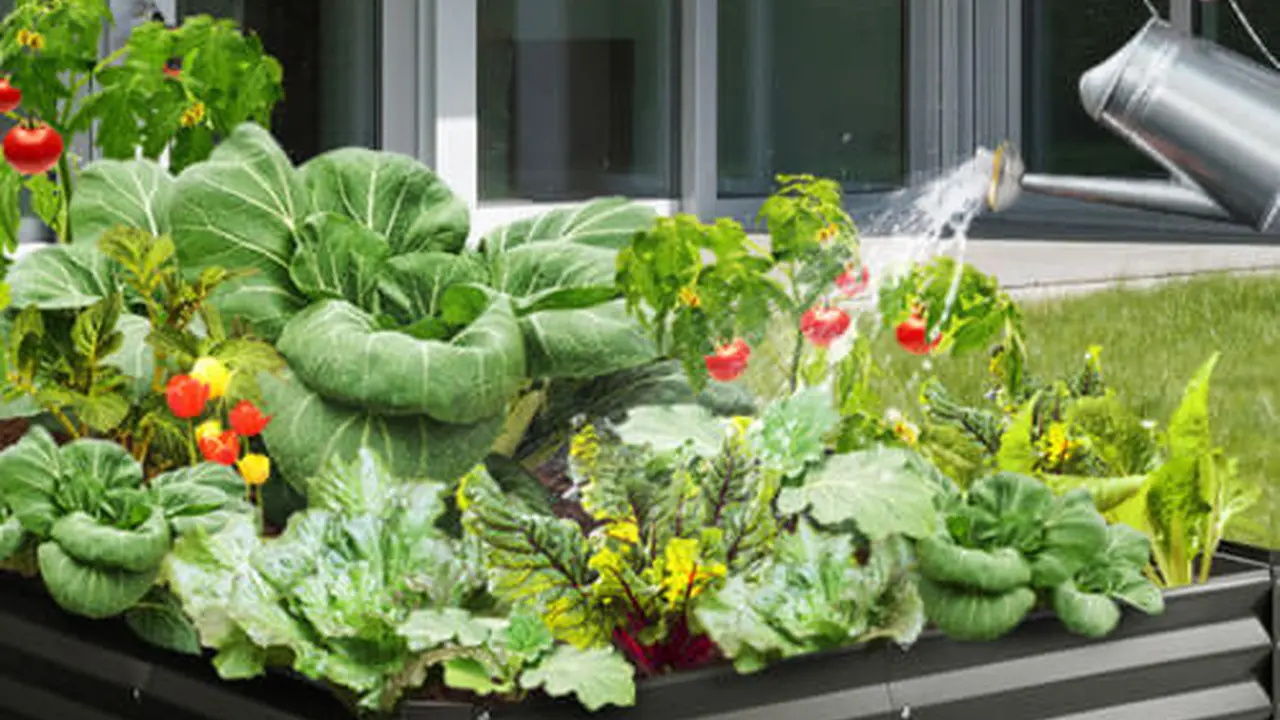
Grow Your Own Food and Support Local
Growing your own herbs, vegetables, or even a small fruit tree reduces your reliance on commercially produced food, which often involves long transportation chains and excessive packaging. When you can't grow it yourself, prioritize buying from local farmers and markets.
Product Spotlight Gardening Essentials
- AeroGarden Harvest Elite: An indoor hydroponic garden that allows you to grow herbs and small vegetables year-round, even without a green thumb. Costs around $150 - $200.
- Raised Garden Beds: For outdoor gardening, a raised bed kit (e.g., from CedarCraft) makes it easy to start a vegetable patch. A 4x8 foot bed might cost $150 - $250.
- Local Farmers Markets: Check online for farmers markets in your area. They offer fresh, seasonal produce and support your local economy.
Usage Scenario: Plucking fresh basil from your kitchen counter for dinner, or enjoying ripe tomatoes from your backyard garden. It's incredibly satisfying and reduces your carbon footprint. Or knowing that the fresh produce you bought at the market traveled only a few miles, not thousands.
Making your home more sustainable is a journey, not a destination. Every step you take, no matter how small, contributes to a healthier planet and a more efficient, comfortable home for you and your family. Start with what feels manageable, and gradually incorporate more changes. You'll be amazed at the positive impact you can make!
:max_bytes(150000):strip_icc()/277019-baked-pork-chops-with-cream-of-mushroom-soup-DDMFS-beauty-4x3-BG-7505-5762b731cf30447d9cbbbbbf387beafa.jpg)