Top 5 Low-Maintenance Landscaping Ideas for Busy Homeowners
Discover the 5 best low-maintenance landscaping ideas perfect for busy homeowners. Enjoy a beautiful yard with minimal effort.

Discover the 5 best low-maintenance landscaping ideas perfect for busy homeowners. Enjoy a beautiful yard with minimal effort.
Top 5 Low-Maintenance Landscaping Ideas for Busy Homeowners
Let's face it, life gets hectic. Between work, family, and everything in between, who has hours to spend weeding, watering, and pruning their yard every weekend? If you're a busy homeowner who still dreams of a beautiful outdoor space without the constant upkeep, you've come to the right place. We're diving into the top 5 low-maintenance landscaping ideas that will give you a stunning yard with minimal effort. Get ready to reclaim your weekends!
1. Embrace Native Plants and Drought-Tolerant Landscaping Solutions
One of the biggest time-savers in landscaping is choosing plants that are naturally suited to your local climate. Native plants thrive in their environment, meaning they require less water, fewer fertilizers, and are more resistant to local pests and diseases. This translates to significantly less work for you!
Why Native Plants are a Game Changer for Low-Maintenance Yards
- Reduced Watering: Once established, native plants often need little to no supplemental watering, especially if they are drought-tolerant varieties.
- Less Fertilizing: They're adapted to your soil, so they don't need constant feeding.
- Pest and Disease Resistance: Local bugs and blights are less likely to bother them.
- Support Local Ecosystems: A bonus! They provide food and shelter for local wildlife.
Top Drought-Tolerant Plant Recommendations for Various Climates
When selecting plants, consider your USDA hardiness zone and local rainfall patterns. Here are a few popular, low-maintenance, drought-tolerant options:
For Arid and Semi-Arid Regions (e.g., Southwest US, parts of Southeast Asia):
- Lavender (Lavandula spp.): Beautiful purple blooms, fragrant, and very drought-tolerant once established. Needs full sun and well-drained soil.
- Sedum (Sedum spp.): Succulent-like plants that come in various shapes and sizes. Excellent for ground cover or rock gardens. Very hardy and needs minimal water.
- Agave (Agave spp.): Striking architectural plants that are incredibly drought-resistant. Be mindful of their size and sharp tips.
- Cactus (various species): The ultimate low-water plant. Many varieties offer unique forms and flowers.
For Temperate Regions (e.g., Pacific Northwest US, parts of Southeast Asia with distinct wet/dry seasons):
- Coneflower (Echinacea purpurea): Cheerful, daisy-like flowers that attract pollinators. Drought-tolerant once established and very hardy.
- Daylily (Hemerocallis spp.): Extremely tough and adaptable plants that produce a profusion of colorful blooms. They tolerate a wide range of conditions.
- Russian Sage (Perovskia atriplicifolia): A beautiful, silvery-leaved plant with spikes of lavender-blue flowers. Very drought-tolerant and deer resistant.
- Yarrow (Achillea millefolium): Flat-topped clusters of flowers in various colors. Tolerates poor soil and dry conditions.
For Humid Subtropical Regions (e.g., Southeast US, many parts of Southeast Asia):
- Liriope (Liriope muscari): A grass-like perennial that forms dense clumps. Great for borders or ground cover, tolerates shade and drought.
- Cast Iron Plant (Aspidistra elatior): As its name suggests, this plant is incredibly tough. It thrives in deep shade and tolerates dry conditions.
- Azaleas (Rhododendron spp.): While some varieties need more water, many native azaleas are quite drought-tolerant once established and offer stunning spring blooms.
- Muhly Grass (Muhlenbergia capillaris): A beautiful ornamental grass with airy pink plumes in the fall. Very drought-tolerant and low maintenance.
Product Spotlight: Smart Irrigation Systems for Water Efficiency
Even with drought-tolerant plants, some watering might be necessary during extended dry spells or for new plantings. A smart irrigation system can take the guesswork and manual labor out of it. These systems connect to local weather forecasts and soil moisture sensors, watering only when and where it's needed.
- Rachio 3 Smart Sprinkler Controller: This is a top-rated option. It connects to your Wi-Fi, uses local weather data, and allows you to control your sprinklers from your phone. It's known for its ease of installation and water-saving capabilities. Price: ~$200-$250. Use Case: Ideal for homeowners with existing sprinkler systems looking to upgrade to smart control and save water.
- Orbit B-hyve Smart Sprinkler Controller: A more budget-friendly alternative to Rachio, offering similar smart features like weather-based watering and app control. It's also available in indoor and outdoor versions. Price: ~$100-$150. Use Case: Great for those on a tighter budget who still want smart irrigation features.
- Rain Bird ESP-TM2 with LNK WiFi Module: Rain Bird is a professional-grade brand. Their LNK WiFi module adds smart capabilities to their reliable controllers. While the controller itself isn't 'smart' out of the box, the module makes it so. Price: Controller ~$80-$120, LNK Module ~$50-$70. Use Case: Best for those who prefer a professional-grade system with the option to add smart features.
2. Master the Art of Mulching for Weed Suppression and Moisture Retention
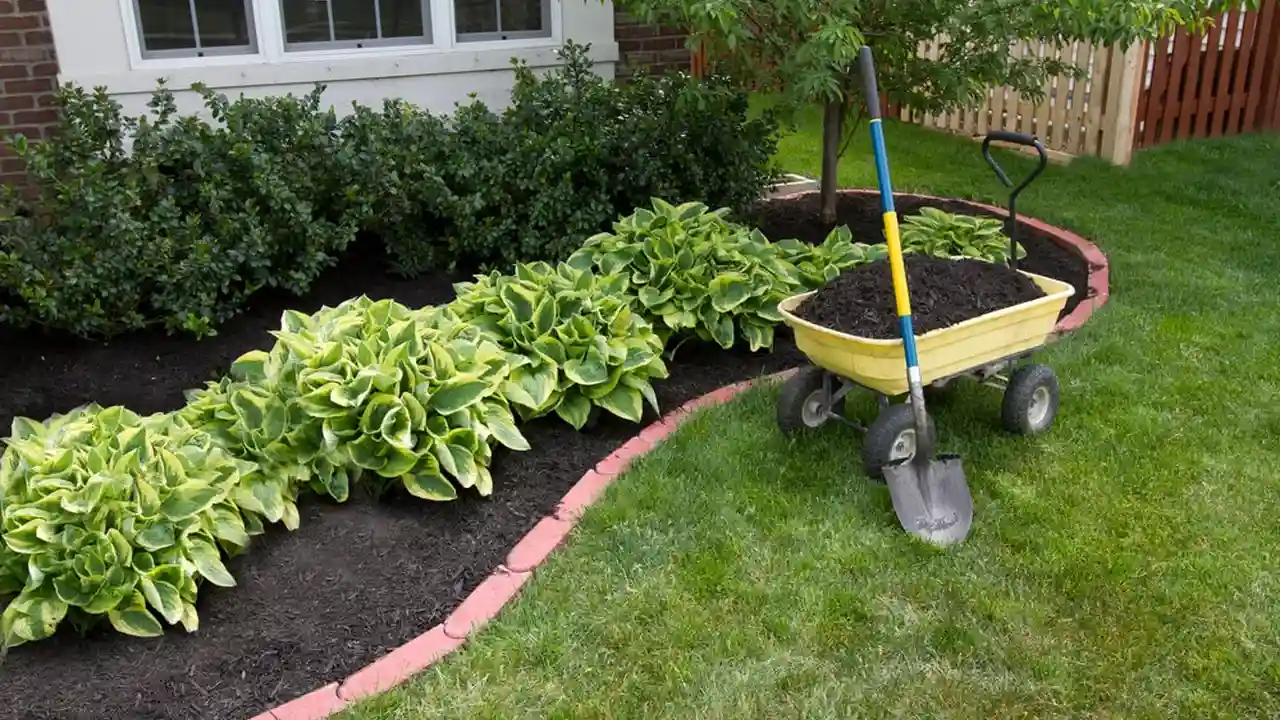
Mulch is your best friend when it comes to low-maintenance landscaping. A good layer of mulch does wonders for your garden beds, significantly reducing the amount of time you spend on weeding and watering.
Benefits of a Thick Mulch Layer in Your Garden
- Weed Control: Mulch blocks sunlight, preventing weed seeds from germinating and making it harder for existing weeds to grow.
- Moisture Retention: It acts as a blanket, reducing water evaporation from the soil, meaning you water less frequently.
- Temperature Regulation: Mulch insulates the soil, keeping it cooler in summer and warmer in winter, which is great for plant roots.
- Soil Improvement: Organic mulches break down over time, adding valuable nutrients and improving soil structure.
Choosing the Right Mulch for Your Landscaping Needs
There are two main types of mulch: organic and inorganic. Both have their pros and cons for low-maintenance gardening.
Organic Mulches (Decompose and Improve Soil):
- Shredded Hardwood Bark: A classic choice. It interlocks well, so it stays in place, and breaks down slowly. Price: ~$30-$50 per cubic yard. Use Case: General garden beds, pathways.
- Pine Bark Nuggets: Attractive, slow to decompose, and good for acid-loving plants. Can float away in heavy rain if not well-established. Price: ~$35-$60 per cubic yard. Use Case: Around trees, shrubs, and in perennial beds.
- Compost: Excellent for soil improvement, but breaks down quickly, so it needs frequent replenishment for weed suppression. Price: ~$20-$40 per cubic yard. Use Case: Vegetable gardens, annual beds where soil health is paramount.
- Straw: Inexpensive and great for vegetable gardens, but can look a bit messy in ornamental beds. Price: ~$5-$10 per bale. Use Case: Vegetable gardens, temporary ground cover.
Inorganic Mulches (Permanent, No Soil Improvement):
- River Rock or Pea Gravel: Permanent, great for drainage, and comes in various colors. Can get hot in direct sun and can be difficult to remove if you change your mind. Price: ~$50-$150 per cubic yard. Use Case: Xeriscaping, rock gardens, pathways, around foundations.
- Rubber Mulch: Made from recycled tires, it's very durable and doesn't decompose. Can be expensive upfront. Price: ~$100-$200 per cubic yard. Use Case: Playgrounds, under swing sets, areas where organic mulch might attract pests.
Application Tips for Maximum Mulch Effectiveness
Aim for a 2-4 inch layer of mulch. Too thin, and weeds will push through; too thick, and it can suffocate plants or encourage pests. Keep mulch a few inches away from tree trunks and plant stems to prevent rot.
3. Design with Hardscaping Elements for Structure and Reduced Planting Areas
Hardscaping refers to the non-living elements in your landscape, such as patios, walkways, retaining walls, and decorative rocks. Incorporating more hardscaping can dramatically reduce the amount of lawn or garden beds you need to maintain.
Integrating Patios and Walkways for Less Lawn Care
- Reduced Mowing: Less lawn means less time spent pushing a mower.
- Defined Spaces: Hardscaping creates clear, attractive boundaries for your garden beds, making them easier to manage.
- Year-Round Appeal: Unlike plants, hardscaping looks good in all seasons and requires minimal cleaning.
- Functional Outdoor Rooms: Patios and decks extend your living space, offering areas for dining, lounging, or entertaining.
Popular Hardscaping Materials and Their Maintenance Levels
When choosing materials, consider durability, aesthetics, and how much cleaning they'll need.
- Pavers (Concrete or Stone): Extremely durable and versatile. They come in many colors and patterns. Generally low maintenance, requiring occasional sweeping and power washing. Price: ~$4-$10 per square foot for materials, installation adds significantly. Use Case: Patios, walkways, driveways.
- Gravel: Inexpensive and easy to install. Great for pathways and low-traffic areas. Can shift and require occasional raking to keep tidy. Price: ~$20-$50 per ton. Use Case: Pathways, decorative ground cover, drainage areas.
- Decks (Wood or Composite): Wood decks require regular staining or sealing (every 1-3 years). Composite decks are much lower maintenance, only needing occasional cleaning. Price: Wood ~$15-$35 per square foot, Composite ~$30-$60 per square foot (installed). Use Case: Elevated outdoor living spaces.
- Natural Stone (Flagstone, Bluestone): Beautiful and long-lasting. Can be more expensive and require professional installation. Very low maintenance once installed. Price: ~$8-$20 per square foot for materials. Use Case: High-end patios, stepping stones, retaining walls.
Product Spotlight: Permeable Pavers for Sustainable Hardscaping
For an eco-friendly and low-maintenance option, consider permeable pavers. These allow rainwater to filter through, reducing runoff and replenishing groundwater, while still providing a solid surface.
- Belgard Eco-Dublin Permeable Pavers: A popular choice known for its durability and aesthetic appeal. They come in various colors and sizes. Price: ~$5-$8 per square foot (materials only). Use Case: Driveways, patios, walkways where stormwater management is a concern.
- Techo-Bloc Aquastorm Permeable Pavers: Offers a modern look with excellent drainage capabilities. Designed for heavy traffic and freeze-thaw cycles. Price: ~$6-$9 per square foot (materials only). Use Case: Contemporary landscapes, commercial applications, high-traffic residential areas.
4. Opt for Container Gardening and Raised Beds for Easy Management
If you love gardening but hate bending over or dealing with large, sprawling beds, container gardening and raised beds are fantastic low-maintenance solutions. They offer control, reduce weeding, and can be incredibly stylish.
Benefits of Container Gardening for Busy Lifestyles
- Portability: Move plants to optimize sun exposure or protect them from harsh weather.
- Weed Control: Significantly fewer weeds compared to in-ground beds.
- Pest Management: Easier to spot and treat pests.
- Soil Control: You choose the perfect soil mix for each plant.
- Design Flexibility: Easily change up your look by rearranging containers.
Advantages of Raised Garden Beds for Reduced Effort
- Ergonomics: Less bending and kneeling, making gardening more comfortable.
- Better Drainage: Raised beds typically have excellent drainage, preventing root rot.
- Warmer Soil: Soil in raised beds warms up faster in spring, allowing for earlier planting.
- Pest Barrier: Can deter some ground-dwelling pests.
Product Spotlight: Self-Watering Planters and Durable Raised Bed Kits
To make container and raised bed gardening even easier, consider self-watering options and durable kits.
- Lechuza Self-Watering Planters: These high-quality planters have a built-in reservoir that provides water to your plants for weeks. They come in various stylish designs and sizes. Price: ~$30-$200+ depending on size. Use Case: Patios, balconies, indoor plants, for anyone who travels frequently or forgets to water.
- Gronomics Cedar Raised Garden Beds: Made from naturally rot-resistant cedar, these kits are easy to assemble and last for years. They come in various dimensions. Price: ~$100-$400+ depending on size. Use Case: Vegetable gardens, herb gardens, or creating defined planting areas in your yard.
- Vego Garden Metal Raised Garden Beds: Made from galvanized steel, these are incredibly durable, rust-resistant, and come in modular designs allowing for custom shapes and sizes. They have a long lifespan. Price: ~$150-$500+ depending on size and configuration. Use Case: Long-term, robust raised bed solutions for serious gardeners or those wanting a modern aesthetic.
5. Simplify Your Lawn with Groundcovers and Strategic Lawn Reduction
The biggest culprit for high-maintenance yards is often a large, sprawling lawn. Reducing the size of your lawn or replacing it with low-maintenance alternatives can save you countless hours of mowing, fertilizing, and watering.
Benefits of Reducing Lawn Area for Less Maintenance
- Less Mowing: This is the obvious one! Fewer square feet of grass means less time on the mower.
- Reduced Water Usage: Lawns are notoriously thirsty. Replacing them with drought-tolerant groundcovers or hardscaping significantly cuts water bills.
- Fewer Chemicals: Less lawn means less need for herbicides, pesticides, and fertilizers.
- Increased Biodiversity: Replacing monoculture lawns with diverse plantings can attract beneficial insects and wildlife.
Top Groundcover Plants for Low-Maintenance Lawn Alternatives
Groundcovers spread to form a dense mat, suppressing weeds and requiring little to no mowing. Choose varieties suited to your sun exposure and climate.
For Sunny Areas:
- Creeping Thyme (Thymus serpyllum): Fragrant, low-growing, and tolerates light foot traffic. Produces tiny flowers.
- Sedum (various creeping varieties): Many low-growing sedums are excellent for sunny, dry spots.
- Dwarf Mondo Grass (Ophiopogon japonicus 'Nana'): A very dark green, fine-textured grass-like plant that forms a dense mat. Tolerates some foot traffic.
For Shady Areas:
- Pachysandra (Pachysandra terminalis): A classic shade groundcover with glossy green leaves. Spreads well to form a dense carpet.
- Creeping Jenny (Lysimachia nummularia): Bright chartreuse leaves that trail beautifully. Can be invasive in some areas, so choose wisely.
- Ajuga (Ajuga reptans): Also known as Bugleweed, it has attractive foliage (often purple or bronze) and spikes of blue flowers. Tolerates shade and some foot traffic.
Product Spotlight: Artificial Turf for Zero-Maintenance Lawn Look
For the ultimate in low-maintenance, consider artificial turf. It looks like real grass but requires no mowing, watering, or fertilizing. It's an upfront investment but saves a lot of time and money in the long run.
- SYNLawn Artificial Grass: A premium brand known for its realistic look and feel, durability, and eco-friendly options (like soy-based backing). They offer various pile heights and shades. Price: ~$5-$15 per square foot (materials only, installation adds significantly). Use Case: High-traffic areas, pet runs, small urban yards, areas where natural grass struggles.
- ForeverLawn Artificial Grass: Another high-quality option with specialized products for different uses, including pet-friendly and playground turf. Known for its advanced drainage systems. Price: ~$5-$15 per square foot (materials only). Use Case: Pet owners, families with children, commercial applications, sports fields.
- Global Syn-Turf Artificial Grass: Offers a wide range of products at competitive prices, making it a good option for various budgets. They focus on realism and durability. Price: ~$3-$10 per square foot (materials only). Use Case: General residential lawns, putting greens, decorative landscaping.
Transforming your yard into a low-maintenance oasis doesn't mean sacrificing beauty. By strategically choosing plants, incorporating hardscaping, and smart gardening techniques, you can create a stunning outdoor space that you'll actually have time to enjoy. So go ahead, pick a few ideas, and start reclaiming your weekends!
:max_bytes(150000):strip_icc()/277019-baked-pork-chops-with-cream-of-mushroom-soup-DDMFS-beauty-4x3-BG-7505-5762b731cf30447d9cbbbbbf387beafa.jpg)