6 Ways to Increase Your Home Value with Landscaping
Discover 6 effective ways to increase your home value through strategic landscaping. Invest in your property's curb appeal.
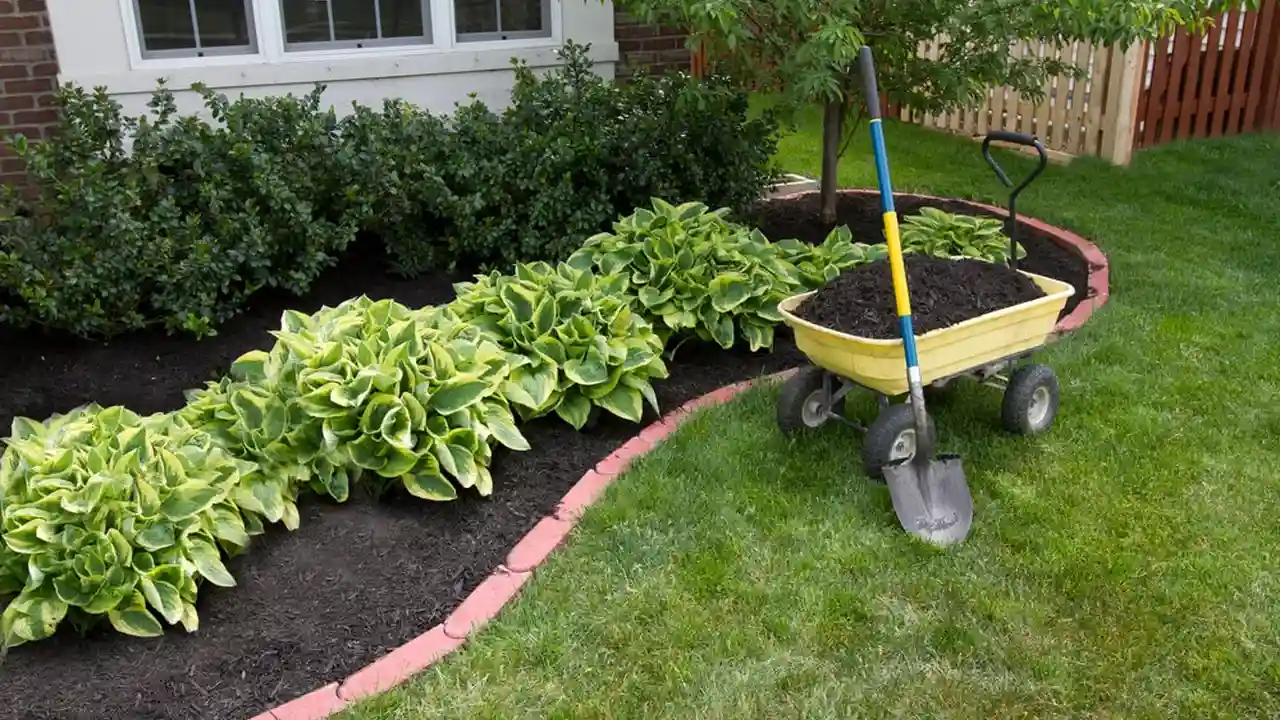
Discover 6 effective ways to increase your home value through strategic landscaping. Invest in your property's curb appeal.
6 Ways to Increase Your Home Value with Landscaping
Hey there, fellow homeowners and DIY enthusiasts! Ever wondered how to make your property stand out and fetch a better price when it's time to sell? While interior renovations often grab the spotlight, don't underestimate the power of your outdoor spaces. Strategic landscaping isn't just about making your yard look pretty; it's a smart investment that can significantly boost your home's curb appeal and, ultimately, its market value. Think of it as giving your home a facelift, but for the outside!
In today's competitive real estate market, first impressions are everything. Potential buyers often form an opinion about a property within seconds of seeing it, and a well-maintained, attractive landscape can make all the difference. It signals that the home has been cared for, suggesting that the interior is likely just as well-maintained. Plus, a beautiful outdoor space offers an extension of living areas, providing places for relaxation, entertainment, and enjoyment, which is a huge selling point.
So, how do you go about transforming your yard into a value-adding asset? It's not just about planting a few flowers. It involves thoughtful planning, understanding what buyers are looking for, and making smart choices that offer a good return on investment. Let's dive into six effective ways you can use landscaping to increase your home's value, complete with practical tips, product recommendations, and cost considerations.
1. Enhance Curb Appeal with Front Yard Landscaping and Entryway Design
Your front yard is the first thing anyone sees, so making it inviting and well-kept is paramount. This is where curb appeal truly shines. A neglected front yard can deter buyers before they even step inside, while a vibrant, well-designed one can draw them in. Focus on creating a welcoming pathway, adding colorful plants, and ensuring everything looks tidy.
Creating a Welcoming Pathway and Walkway Landscaping
A clear, attractive path to your front door is essential. It guides visitors and makes your home feel more accessible. Consider materials like pavers, natural stone, or even stamped concrete. Avoid cracked or uneven paths, as these can be a safety hazard and look unkempt.
- Pavers: Offer a classic, durable look. Brands like Belgard and Techo-Bloc offer a wide range of styles and colors. A typical paver walkway might cost $10-$20 per square foot for materials and installation.
- Natural Stone: Flagstone or bluestone can create a high-end, organic feel. Expect to pay $20-$40 per square foot installed.
- Gravel Paths: A more budget-friendly option, especially for longer paths. Ensure it's well-edged to prevent scattering. Costs can be as low as $2-$5 per square foot.
Product Recommendation: For DIYers, consider interlocking concrete pavers from your local home improvement store. They're relatively easy to install with a good base and edging. For example, the Pavestone RumbleStone Collection offers a rustic, natural look that's great for pathways and patios. A 100 sq ft path could cost around $500-$800 in materials.
Strategic Planting for Visual Interest and Color
Adding plants, flowers, and shrubs can instantly boost your home's visual appeal. Choose plants that thrive in your climate and require minimal maintenance. Think about year-round interest – evergreens for winter, flowering shrubs for spring and summer, and colorful foliage for autumn.
- Foundation Plantings: Use a mix of evergreen shrubs and perennials around the base of your house to soften the lines and provide a lush backdrop.
- Seasonal Color: Add annuals in pots or flower beds near the entryway for a pop of color that can be changed with the seasons.
- Trees: A well-placed shade tree can add significant value over time, but ensure it's not too close to the house or power lines.
Product Recommendation: For low-maintenance color, consider planting Knock Out Roses. They are disease-resistant, bloom profusely, and require minimal pruning. For evergreen structure, Dwarf Alberta Spruce or Boxwood shrubs are excellent choices. A budget of $200-$500 can get you a good selection of plants for a typical front yard.
Outdoor Lighting for Safety and Ambiance
Good lighting isn't just for safety; it also highlights your landscaping features and creates a warm, inviting glow. Pathway lights, spotlights on key features, and porch lights all contribute to a well-lit exterior.
- Solar Pathway Lights: Easy to install and energy-efficient, but may not provide intense illumination. A pack of 6-8 can cost $30-$60.
- Low-Voltage LED Lighting: More durable and brighter, offering better control over illumination. Requires a transformer and wiring, so installation can be more complex. A starter kit with 6-8 lights can range from $150-$300.
- Spotlights: Use to highlight trees, architectural features, or garden beds.
Product Recommendation: The Paradise Garden Lighting GL22764 Low Voltage LED Path Light Kit is a great option for a comprehensive, durable lighting solution. It includes a transformer, cable, and several path lights, offering good value for around $100-$150.
2. Create Functional Outdoor Living Spaces and Backyard Oasis
Beyond the front yard, your backyard offers immense potential to extend your home's living area. Buyers are increasingly looking for properties that offer functional outdoor spaces for entertaining, dining, and relaxation. Think of it as adding an extra room, but under the open sky!
Designing Patios and Decks for Entertainment and Relaxation
A well-designed patio or deck can be the centerpiece of your outdoor living. It provides a solid surface for furniture, grills, and gatherings. The choice between a patio and a deck often depends on your home's elevation and personal preference.
- Patios: Typically made from concrete, pavers, or natural stone. They are ground-level and generally require less maintenance than decks. Concrete patios can range from $5-$15 per square foot, while paver patios are $10-$25 per square foot installed.
- Decks: Usually made from wood or composite materials, elevated from the ground. They can be more complex to build but offer a different aesthetic and can be built on uneven terrain. Wood decks can cost $25-$45 per square foot, while composite decks are $35-$60 per square foot installed.
Product Recommendation: For a durable and low-maintenance deck, consider Trex Composite Decking. It resists fading, staining, scratching, and mold, and never needs sanding or painting. While the upfront cost is higher than wood, the long-term savings on maintenance can be significant. A 200 sq ft Trex deck might cost $7,000-$12,000 installed.
Outdoor Kitchens and BBQ Areas for Culinary Enthusiasts
An outdoor kitchen is a luxury feature that can significantly boost home value, especially in regions with good weather. It transforms your backyard into an ultimate entertainment zone.
- Basic BBQ Station: A built-in grill with some counter space and storage. Can range from $2,000-$5,000.
- Mid-Range Outdoor Kitchen: Includes a grill, sink, mini-fridge, and more counter space. Expect to pay $5,000-$15,000.
- High-End Outdoor Kitchen: Features multiple cooking appliances, extensive counter space, bar seating, and perhaps a pizza oven. Can easily exceed $20,000.
Product Recommendation: For a versatile and high-quality built-in grill, the Weber Summit S-460 Built-In Gas Grill is a fantastic choice, offering excellent performance and durability for around $2,500-$3,000. Pair it with modular outdoor kitchen cabinets from brands like NewAge Products for a custom look without the custom price. A basic NewAge outdoor kitchen setup with a grill cabinet and sink cabinet might cost $1,500-$3,000.
Fire Pits and Water Features for Ambiance and Relaxation
These elements add a touch of luxury and create a focal point in your outdoor space, encouraging relaxation and social gatherings.
- Fire Pits: Can be simple portable models ($100-$300), DIY stone kits ($300-$800), or custom built-in gas fire pits ($1,000-$5,000+).
- Water Features: From small bird baths ($50-$200) to elaborate fountains ($500-$5,000+) or ponds.
Product Recommendation: For a stylish and functional fire pit, the Solo Stove Bonfire is a popular smokeless option, great for gathering around, priced at around $300-$400. For a simple water feature, consider a pre-fabricated fountain from brands like Sunnydaze Decor, with options ranging from $150-$500.
3. Implement Low-Maintenance Landscaping Solutions and Sustainable Gardening
While beautiful landscaping is a draw, buyers are often wary of high-maintenance yards. Focusing on low-maintenance and sustainable solutions appeals to a broader audience, especially busy families and those looking for eco-friendly options.
Drought-Tolerant Plants and Xeriscaping for Water Conservation
In many regions, water conservation is a major concern. Opting for plants that require less water can save money on utility bills and reduce environmental impact.
- Succulents and Cacti: Excellent for arid climates, requiring very little water.
- Native Plants: These are naturally adapted to your local climate, making them inherently low-maintenance and water-wise.
- Xeriscaping: A landscaping method that reduces or eliminates the need for irrigation. This often involves using drought-tolerant plants, mulching, and efficient irrigation systems.
Product Recommendation: Research native plant nurseries in your area. For example, in the Southwest US, plants like Agave, Lavender, and Rosemary are excellent choices. In Southeast Asia, consider plants like Frangipani, Bougainvillea, and various types of palms. Mulch is also key; a good quality organic mulch like cedar or cypress can cost $4-$8 per bag, covering about 2 cubic feet.
Smart Irrigation Systems for Efficient Watering
Automated irrigation systems ensure your plants get the right amount of water at the right time, preventing overwatering and underwatering. Smart systems take this a step further by adjusting based on weather forecasts and soil moisture.
- Drip Irrigation: Delivers water directly to the plant roots, minimizing evaporation. Ideal for garden beds and shrubs. A basic kit for a small garden can be $50-$150.
- Smart Sprinkler Controllers: Connect to Wi-Fi and use local weather data to optimize watering schedules.
Product Recommendation: The Rachio 3 Smart Sprinkler Controller is a top-rated option, offering easy installation, zone control, and weather intelligence for around $200-$280. For drip irrigation, a starter kit from Rain Bird or Orbit can get you going for under $100.
Mulching and Ground Covers for Weed Suppression and Moisture Retention
Mulch is a landscaper's best friend. It suppresses weeds, retains soil moisture, regulates soil temperature, and adds a finished look to garden beds.
- Organic Mulch: Wood chips, shredded bark, straw. Decomposes over time, enriching the soil.
- Inorganic Mulch: Gravel, river rock. Permanent and good for xeriscaping, but doesn't add nutrients to the soil.
- Ground Covers: Low-growing plants that spread to cover the soil, like creeping thyme or sedum.
Product Recommendation: For organic mulch, a bulk delivery of shredded hardwood mulch can cost $30-$60 per cubic yard, covering a large area more affordably than bags. For ground cover, consider Creeping Phlox for vibrant spring color or Sedum 'Dragon's Blood' for year-round interest and drought tolerance. Plants typically cost $5-$15 per pot.
4. Incorporate Edible Landscaping and Raised Garden Beds
The farm-to-table movement has made edible landscaping increasingly popular. Integrating fruits, vegetables, and herbs into your garden design can be both beautiful and functional, appealing to health-conscious buyers and those interested in self-sufficiency.
Designing Vegetable Gardens and Herb Patches
Instead of hiding your vegetable patch in the back, consider integrating it into your overall landscape design. A well-maintained vegetable garden can be a beautiful feature.
- Raised Garden Beds: Offer better drainage, warmer soil, and easier access, making gardening more enjoyable.
- Container Gardening: Perfect for small spaces or for growing herbs and smaller vegetables on a patio.
- Vertical Gardens: Maximize space and add a unique visual element.
Product Recommendation: For raised garden beds, consider kits made from cedar or galvanized steel. The Vego Garden Raised Garden Beds are a popular choice, made from durable galvanized steel, offering various sizes and configurations. A 4x8 ft Vego bed might cost $200-$300. For container gardening, look for self-watering planters like the EarthBox, which can significantly reduce watering frequency, priced around $60-$80.
Fruit Trees and Berry Bushes for Sustainable Food Sources
Planting fruit trees or berry bushes can add long-term value and provide delicious, fresh produce. Choose varieties that are well-suited to your climate and soil.
- Dwarf Fruit Trees: Ideal for smaller yards, offering manageable size and good yields. Apple, pear, peach, and citrus trees are popular choices.
- Berry Bushes: Blueberries, raspberries, and blackberries are relatively easy to grow and produce abundant fruit.
Product Recommendation: Visit your local nursery for fruit tree and berry bush varieties that thrive in your specific zone. A young dwarf fruit tree can cost $30-$60, while berry bushes are typically $15-$30 each. Ensure you understand their mature size and sun requirements.
Composting Systems for Soil Enrichment and Waste Reduction
A composting system is a great addition to an edible landscape, providing nutrient-rich soil amendments while reducing household waste. It signals a commitment to sustainable living.
- Compost Bins: Simple enclosed bins for kitchen scraps and yard waste.
- Compost Tumblers: Easier to turn and aerate, speeding up the composting process.
Product Recommendation: The Compost Wizard Jr. Tumbler is a popular and effective choice for home composting, priced around $100-$150. For a more basic bin, the GEOBIN Composter is an expandable and affordable option, usually under $50.
5. Improve Drainage and Manage Stormwater with Landscape Solutions
Poor drainage can lead to serious problems, including foundation damage, basement flooding, and mosquito breeding grounds. Addressing these issues with smart landscaping not only protects your home but also adds value by preventing future headaches for buyers.
Implementing Rain Gardens and Swales for Water Absorption
Rain gardens and swales are designed to collect and absorb stormwater runoff, preventing it from overwhelming storm drains or pooling in your yard.
- Rain Gardens: Depressions planted with water-loving native plants that can tolerate both wet and dry conditions. They filter pollutants and recharge groundwater.
- Swales: Shallow, vegetated channels that slow down and direct water flow across a landscape.
Product Recommendation: For a rain garden, choose native plants that thrive in your region and can handle fluctuating moisture levels. Examples include Switchgrass, Coneflower, and various sedges. The cost will primarily be for plants and potentially some soil amendments, ranging from $100-$500 for a small rain garden.
Installing French Drains and Permeable Paving for Water Diversion
For more significant drainage issues, engineered solutions like French drains and permeable paving can be highly effective.
- French Drains: A trench filled with gravel and a perforated pipe that redirects water away from problem areas. Installation can cost $15-$30 per linear foot.
- Permeable Paving: Pavers or asphalt that allow water to seep through into the ground below, reducing runoff. More expensive than traditional paving, but offers excellent drainage benefits. Permeable pavers can cost $15-$35 per square foot installed.
Product Recommendation: For a DIY French drain, you'll need perforated drain pipe (e.g., NDS Perforated Drain Pipe, around $30-$50 for 100 ft), landscape fabric, and gravel. For permeable paving, look into specific permeable paver systems from brands like Belgard or Techo-Bloc, which are designed for this purpose.
Utilizing Rain Barrels for Water Collection and Reuse
Rain barrels collect rainwater from your roof, which can then be used to water plants, reducing your reliance on municipal water and saving money.
- Basic Rain Barrels: Simple plastic barrels with a spigot and overflow. Can cost $80-$200.
- Decorative Rain Barrels: Designed to blend into the landscape, often mimicking stone or wood. Can be $200-$500+.
Product Recommendation: The Good Ideas Rain Wizard 65 Gallon Rain Barrel is a popular and functional choice, often available for $100-$150. Ensure it has a good screen to keep out debris and mosquitoes, and a sturdy base.
6. Professional Landscape Design and Maintenance for Lasting Value
While many landscaping tasks can be DIY, sometimes bringing in professionals can ensure a cohesive, high-quality design and ongoing care that truly maximizes your home's value.
Hiring Landscape Architects and Designers for Cohesive Plans
For larger projects or if you're unsure where to start, a professional landscape architect or designer can create a master plan that ties all elements together, ensuring functionality, aesthetics, and long-term sustainability.
- Consultation: Many designers offer initial consultations for a fee ($100-$300).
- Full Design Plan: Can range from $500 for a small area to several thousand dollars for a comprehensive property-wide plan, depending on the complexity and size of your yard.
Comparison: A DIY approach saves money upfront but might lack professional polish and long-term vision. A professional design ensures optimal plant choices, proper drainage, and a cohesive aesthetic that can significantly increase ROI. For example, a well-designed landscape can yield a 100-200% return on investment, whereas a poorly executed DIY job might offer little to no return.
Regular Maintenance Services for Pristine Appearance
Even the most beautiful landscape will lose its appeal without regular maintenance. Keeping your yard tidy, healthy, and well-groomed is crucial for maintaining and increasing home value.
- Mowing and Edging: Essential for a neat appearance. Weekly service can cost $40-$70 per visit.
- Pruning and Trimming: Keeps shrubs and trees healthy and shapely. Seasonal service can be $100-$300 per visit.
- Weeding and Fertilizing: Keeps beds clean and plants thriving.
Product Recommendation: If you're doing it yourself, invest in quality tools. A good lawnmower like the Honda HRN216VKA (around $500-$600) and a reliable string trimmer like the EGO Power+ ST1502SA (around $200-$250 with battery) are excellent choices. For professional services, get multiple quotes and check references. A full-service landscape maintenance contract can range from $150-$500 per month, depending on yard size and services included.
Tree Care and Arborist Services for Healthy Trees
Mature trees can add significant value to a property, but they require proper care. Unhealthy or poorly maintained trees can be a liability.
- Pruning and Trimming: Removes dead or diseased branches, improves tree health and appearance. Can cost $200-$800 per tree.
- Tree Removal: For dead or hazardous trees, this can be a significant expense, ranging from $500-$2,000+ depending on size and location.
Comparison: DIY tree pruning is only safe for small branches. For anything larger or higher up, hiring a certified arborist is crucial. They have the expertise and equipment to safely and correctly care for your trees, preventing damage to your property and ensuring the tree's long-term health. The cost of professional tree care is an investment in the safety and aesthetic value of your property.
So there you have it! Investing in your home's landscaping is more than just a cosmetic upgrade; it's a strategic move that can significantly enhance its appeal and market value. Whether you're planning to sell soon or just want to enjoy your home more, these landscaping strategies offer a fantastic return on investment. Happy gardening!
:max_bytes(150000):strip_icc()/277019-baked-pork-chops-with-cream-of-mushroom-soup-DDMFS-beauty-4x3-BG-7505-5762b731cf30447d9cbbbbbf387beafa.jpg)