Top 5 Composting Methods for Home Gardeners
Explore the 5 best composting methods for home gardeners. Reduce waste and enrich your soil with organic compost.
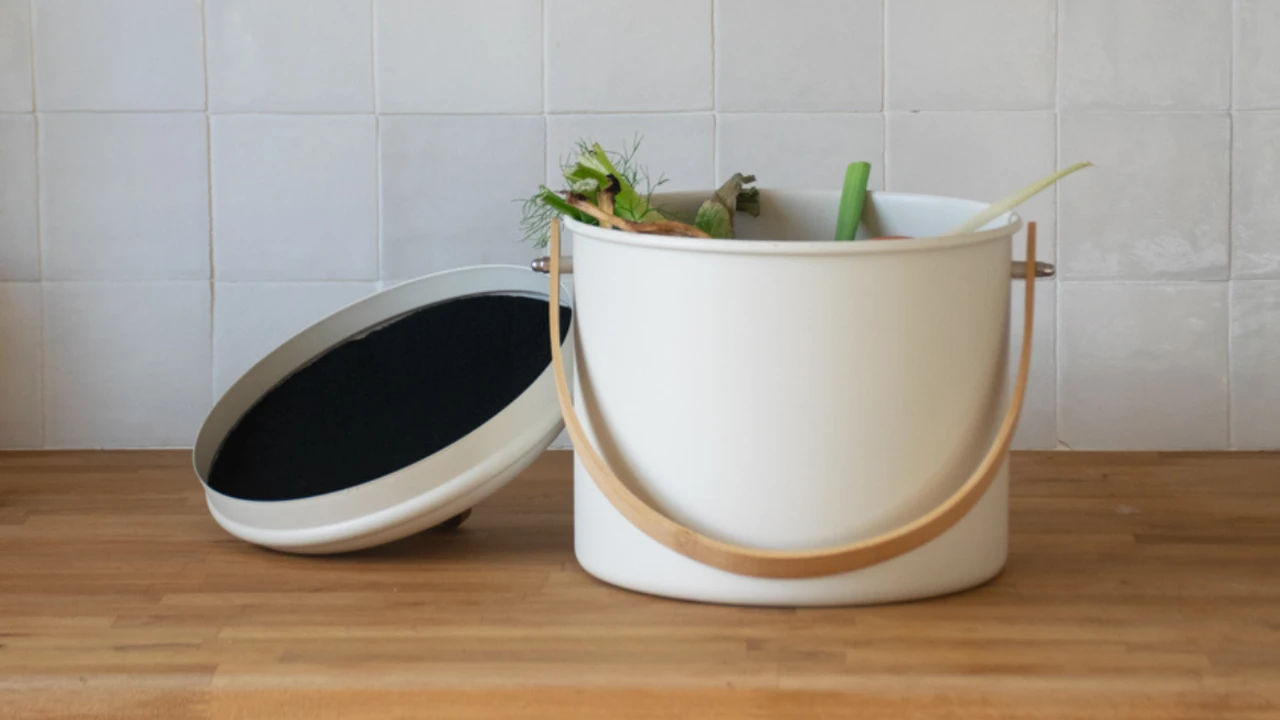
Explore the 5 best composting methods for home gardeners. Reduce waste and enrich your soil with organic compost.
Top 5 Composting Methods for Home Gardeners
Why Composting is a Game Changer for Your Garden and the Planet
Hey there, fellow green thumbs and aspiring eco-warriors! Ever wondered how to turn your kitchen scraps and yard waste into gardening gold? Composting is your answer. It's not just about reducing landfill waste; it's about creating nutrient-rich soil that your plants will absolutely adore. Think healthier plants, fewer pests, and a significantly reduced need for chemical fertilizers. Plus, it's incredibly satisfying to see your organic waste transform into something so beneficial. Let's dive into the wonderful world of composting and explore the top 5 methods perfect for home gardeners, whether you're a seasoned pro or just starting out.Understanding the Basics of Composting The Brown and Green Balance
Before we get into the nitty-gritty of each method, let's quickly cover the fundamentals. Composting relies on a balance of 'greens' and 'browns.'- Greens: These are your nitrogen-rich materials. Think fresh grass clippings, fruit and vegetable scraps, coffee grounds, and tea bags. They provide the protein for the microorganisms that break down your compost.
- Browns: These are your carbon-rich materials. Examples include dry leaves, straw, wood chips, shredded newspaper, and cardboard. They provide energy for the microorganisms and create air pockets in your pile.
Method 1 Hot Composting Fast and Furious Decomposition
What is Hot Composting and Who is it For
Hot composting is the speed demon of the composting world. If you're impatient and have a good amount of organic waste, this method is for you. It involves creating a large, well-balanced pile that heats up quickly, breaking down materials in a matter of weeks or months, rather than a year. The key is maintaining a large enough volume (at least 3x3x3 feet is often recommended) to generate and retain heat, which is crucial for killing weed seeds and pathogens.How to Do Hot Composting Step by Step Guide
- Gather Materials: Collect a good mix of greens and browns. You'll need a substantial amount to get the pile hot.
- Layering: Start with a layer of coarse browns (like twigs or straw) for drainage and airflow. Then, alternate layers of greens and browns, wetting each layer as you go.
- Size Matters: Aim for a pile that's at least 3 feet by 3 feet by 3 feet. Smaller piles struggle to heat up.
- Monitor Temperature: Use a compost thermometer to check the internal temperature. You're aiming for 130-160°F (55-70°C).
- Turn Regularly: Once the pile heats up, turn it every few days. This aerates the pile and redistributes materials, ensuring even decomposition. When the temperature drops, it's a sign to turn it again.
- Maintain Moisture: Keep the pile consistently moist, like a damp sponge. Add water if it's too dry.
Pros and Cons of Hot Composting
Pros:- Fastest method, producing compost in 1-3 months.
- High temperatures kill weed seeds and pathogens.
- Efficiently breaks down a large volume of waste.
- Requires more active management (frequent turning, monitoring).
- Needs a significant amount of material to start.
- Can be labor-intensive.
Recommended Hot Composting Bins and Tools
For hot composting, a sturdy bin that allows for good airflow and easy turning is essential. Here are a few options:- Geobin Composter: This is a popular, affordable, and expandable option. It's essentially a large, flexible plastic mesh cylinder that you can adjust in size. It's great for aeration and easy to set up. Prices typically range from $30-$50.
- Dual-Chamber Tumbler Composter (e.g., Yimby Tumbler Composter): While not strictly 'hot' in the traditional sense due to smaller volume, a good quality tumbler can achieve decent temperatures and makes turning effortless. The dual chambers allow you to have one batch cooking while you add to another. Prices are higher, usually $100-$250.
- Compost Thermometer: An absolute must-have for hot composting. Look for one with a long probe (15-20 inches) and a clear temperature range. Brands like Reotemp or Luster Leaf are reliable. Expect to pay $15-$30.
- Compost Aerator Tool: A simple tool with a corkscrew or winged design that helps you aerate the pile without fully turning it. Great for quick oxygen boosts. Prices around $15-$25.
Method 2 Cold Composting The Low-Effort Approach
What is Cold Composting and Who is it For
Cold composting, also known as passive composting, is the easiest and most hands-off method. If you have limited time, less waste, or just prefer a 'set it and forget it' approach, this is your go-to. It involves simply piling up your organic materials and letting nature take its course. Decomposition is slower, taking anywhere from six months to two years, but it requires minimal effort.How to Do Cold Composting Simple Steps
- Choose a Spot: Find a discreet corner in your yard.
- Add Materials: Continuously add your kitchen scraps and yard waste to the pile.
- Layer (Optional but Recommended): While not strictly necessary, occasionally layering greens and browns will improve the quality of your compost.
- Wait: That's pretty much it! Let time and microorganisms do their work.
Pros and Cons of Cold Composting
Pros:- Extremely low effort and maintenance.
- Doesn't require specific ratios or frequent turning.
- Great for gardeners with less waste or limited time.
- Slowest method, taking 6 months to 2 years.
- Doesn't reach high temperatures, so weed seeds and pathogens may survive.
- Can attract pests if not managed properly (avoid meat, dairy, oily foods).
- Compost quality might be less consistent.
Recommended Cold Composting Bins and Tools
For cold composting, you don't need anything fancy. A simple bin or even just a designated pile will work. The goal is containment and discretion.- Wire Mesh Bin: You can easily make one yourself with hardware cloth or chicken wire, or buy a pre-made one. They offer good airflow and are inexpensive. Prices for pre-made range from $20-$40.
- Plastic Compost Bin (e.g., Lifetime Compost Tumbler - used passively): While many plastic bins are designed for turning, you can use them passively by simply adding materials. They offer good containment and look tidier than an open pile. A basic stationary plastic bin might cost $50-$100.
- DIY Pallet Bin: If you have access to free pallets, you can construct a simple, effective bin for free or very low cost.
Method 3 Vermicomposting Worms Doing the Work
What is Vermicomposting and Who is it For
Vermicomposting uses worms (specifically red wigglers, not your common garden earthworms) to break down organic waste. This method is fantastic for small spaces, apartments, or anyone who wants a continuous supply of rich, dark compost (often called 'worm castings'). It's also a great educational project for kids!How to Do Vermicomposting Setting Up Your Worm Bin
- Get a Worm Bin: You can buy a multi-tiered worm farm or make your own from opaque plastic containers.
- Add Bedding: Fill the bin with moist, shredded newspaper, cardboard, or coconut coir. This is the worms' home.
- Introduce Worms: Purchase red wiggler worms online or from a local supplier.
- Feed Them: Start with small amounts of fruit and vegetable scraps (no meat, dairy, or oily foods). Bury the food under the bedding to deter pests.
- Harvest Castings: Once the bin is full of rich, dark castings, you can harvest them. There are several methods, including migrating the worms to a new bin or simply scooping out the finished compost from the bottom.
Pros and Cons of Vermicomposting
Pros:- Produces incredibly rich, high-quality compost (worm castings).
- Ideal for small spaces and indoor use.
- Low odor if managed correctly.
- Efficiently processes kitchen scraps.
- Can't process large volumes of yard waste.
- Requires specific types of worms.
- Need to be mindful of what you feed the worms.
- Temperature sensitive (worms prefer 55-77°F or 13-25°C).
Recommended Vermicomposting Bins and Worms
Choosing the right worm bin is crucial for success. Here are some top picks:- Worm Factory 360 Composter: This is a popular multi-tiered system that's easy to use and expand. It allows worms to migrate upwards as they finish processing food in lower trays, making harvesting simple. Prices typically range from $100-$150.
- Uncle Jim's Worm Farm Worm Bin: A simpler, more compact bin, often a single or dual-tray system. Good for beginners or those with less space. Prices around $60-$90.
- Red Wiggler Worms (Eisenia fetida): You'll need to purchase these specifically for vermicomposting. Uncle Jim's Worm Farm and other online retailers are good sources. A pound of worms (about 1000 worms) usually costs $30-$50.
- Coconut Coir or Shredded Newspaper: Essential for bedding. You can buy compressed coco coir bricks for around $10-$20, or simply use free shredded newspaper.
Method 4 Trench Composting Burying Your Way to Better Soil
What is Trench Composting and Who is it For
Trench composting is perhaps the simplest and most discreet method, especially if you have a garden bed that's not currently in use. It involves burying your organic waste directly into the soil, allowing it to decompose underground. This method is perfect for gardeners who want to enrich specific areas of their garden without a visible compost pile.How to Do Trench Composting Easy Steps
- Dig a Trench: Dig a trench or a series of holes about 12-18 inches deep in an area where you plan to plant or where plants are already established (but not too close to their roots).
- Add Scraps: Place your kitchen scraps (again, avoid meat, dairy, and oily foods) into the trench.
- Cover: Cover the scraps completely with the excavated soil.
- Plant: You can plant directly over the trench after a few weeks, or let it decompose for a few months before planting.
Pros and Cons of Trench Composting
Pros:- Extremely discreet – no visible compost pile.
- Enriches soil directly where it's needed.
- Low effort and no turning required.
- Less likely to attract pests if buried deeply.
- Slow decomposition rate.
- Can't process large volumes of waste quickly.
- Requires digging, which can be labor-intensive for large amounts.
- Not suitable for all types of waste (e.g., large woody materials).
Recommended Tools for Trench Composting
For trench composting, you primarily need digging tools:- Garden Spade or Shovel: A sturdy spade is essential for digging trenches. Brands like Fiskars or Ames offer durable options. Prices range from $30-$60.
- Hand Trowel: Useful for smaller holes or incorporating scraps into existing beds. A good quality stainless steel trowel will last. Prices around $10-$20.
Method 5 Bokashi Composting Fermentation First, Then Bury
What is Bokashi Composting The Fermentation Advantage
Bokashi composting is a unique method that involves fermenting food waste using a special inoculant (Bokashi bran) before burying it or adding it to a traditional compost pile. It's an anaerobic process (without oxygen) that pickles your food scraps, including meat and dairy, which are typically off-limits for other composting methods. This makes it incredibly versatile for all kitchen waste.How to Do Bokashi Composting A Two-Step Process
- Collect Scraps: Add all your kitchen scraps (yes, even meat and dairy!) to a specialized Bokashi bin.
- Add Bokashi Bran: Sprinkle a layer of Bokashi bran (which contains beneficial microorganisms) over each layer of food waste.
- Compress and Seal: Press down the contents to remove air and seal the bin tightly.
- Ferment: Let the bin sit for 10-14 days in a warm, dark place. A liquid (Bokashi tea) will drain from the spigot, which can be diluted and used as a fertilizer.
- Bury or Compost: Once fermented, the pickled waste is not yet compost. It needs to be buried directly in the garden or added to a traditional compost pile for final decomposition.
Pros and Cons of Bokashi Composting
Pros:- Can process ALL food waste, including meat, dairy, and cooked foods.
- Fast initial processing (fermentation).
- Produces nutrient-rich 'Bokashi tea' liquid fertilizer.
- Reduces odors compared to traditional composting of certain foods.
- Ideal for urban dwellers or those with limited outdoor space.
- Requires purchasing Bokashi bran regularly.
- The fermented waste still needs a second stage of decomposition (burying or traditional composting).
- Can be an additional step for some gardeners.
Recommended Bokashi Composting Bins and Bran
To get started with Bokashi, you'll need a specialized bin and the bran.- All Seasons Indoor Composter (Bokashi Living): This is a popular and well-regarded Bokashi bin system. It typically comes with a spigot for draining the 'Bokashi tea' and an airtight lid. Prices range from $70-$120 for a starter kit including bran.
- SCD Probiotics Kashi Bucket: Another reliable option for Bokashi composting, often sold as a single or double bucket system. Prices are similar to Bokashi Living, around $60-$100.
- Bokashi Bran: This is the essential inoculant. You'll need to replenish it. Brands like Bokashi Living, SCD Probiotics, or Teraganix are common. A 2-pound bag typically costs $15-$25 and lasts several months depending on usage.
Choosing the Best Composting Method for Your Home and Garden
So, which method is right for you? It really depends on your lifestyle, the amount of waste you generate, and your gardening goals.- For the impatient and active gardener with lots of yard waste: Hot Composting.
- For the hands-off gardener with less waste: Cold Composting.
- For small spaces, apartments, or kitchen scraps only: Vermicomposting.
- For discreet enrichment of garden beds: Trench Composting.
- For processing all food waste, including meat and dairy: Bokashi Composting.
Troubleshooting Common Composting Problems and Solutions
Even the most experienced composters run into issues. Here are some common problems and how to fix them:Problem 1 My Compost Pile Smells Bad
Cause: Usually too much nitrogen (greens) or not enough oxygen (too wet, not turned enough). Solution: Add more browns (dry leaves, shredded cardboard) to balance the nitrogen. Turn the pile to aerate it. If it's too wet, spread it out to dry a bit or add more dry browns.Problem 2 My Compost Pile Isn't Heating Up
Cause: Not enough nitrogen, too small a pile, or too dry. Solution: Add more greens (grass clippings, food scraps). Make sure the pile is at least 3x3x3 feet. Check moisture levels and add water if it's too dry.Problem 3 Pests Are Attracted to My Compost
Cause: Exposed food scraps, especially meat, dairy, or oily foods. Solution: Bury food scraps deep within the pile. Avoid adding meat, dairy, and oily foods to traditional compost piles (use Bokashi or trench composting for these). Ensure your bin is pest-proof if using a cold or vermicomposting method.Problem 4 My Compost is Taking Forever to Break Down
Cause: Lack of moisture, lack of aeration, or an imbalance of greens and browns. Solution: Check moisture levels – it should be damp. Turn the pile more frequently to introduce oxygen. Adjust your green-to-brown ratio. Chop materials into smaller pieces before adding them to speed up decomposition.The Benefits of Using Your Homemade Compost in Your Garden
Once you've successfully created that beautiful, dark, earthy-smelling compost, it's time to reap the rewards! Here's what your homemade 'black gold' can do for your garden:- Enriches Soil: Adds essential nutrients and beneficial microorganisms, improving soil fertility.
- Improves Soil Structure: Makes heavy clay soils more workable and helps sandy soils retain water.
- Enhances Water Retention: Compost acts like a sponge, helping your soil hold onto moisture, reducing the need for frequent watering.
- Suppresses Plant Diseases: Healthy soil with a diverse microbial population can help plants resist diseases.
- Reduces Need for Chemical Fertilizers: Your plants get a slow, steady release of nutrients naturally.
- Balances Soil pH: Compost helps buffer soil pH, making it more suitable for a wider range of plants.
:max_bytes(150000):strip_icc()/277019-baked-pork-chops-with-cream-of-mushroom-soup-DDMFS-beauty-4x3-BG-7505-5762b731cf30447d9cbbbbbf387beafa.jpg)