Best 4 Solar Panel Types for Residential Use
Compare the 4 best solar panel types for residential use. Generate clean electricity and reduce your energy bills.
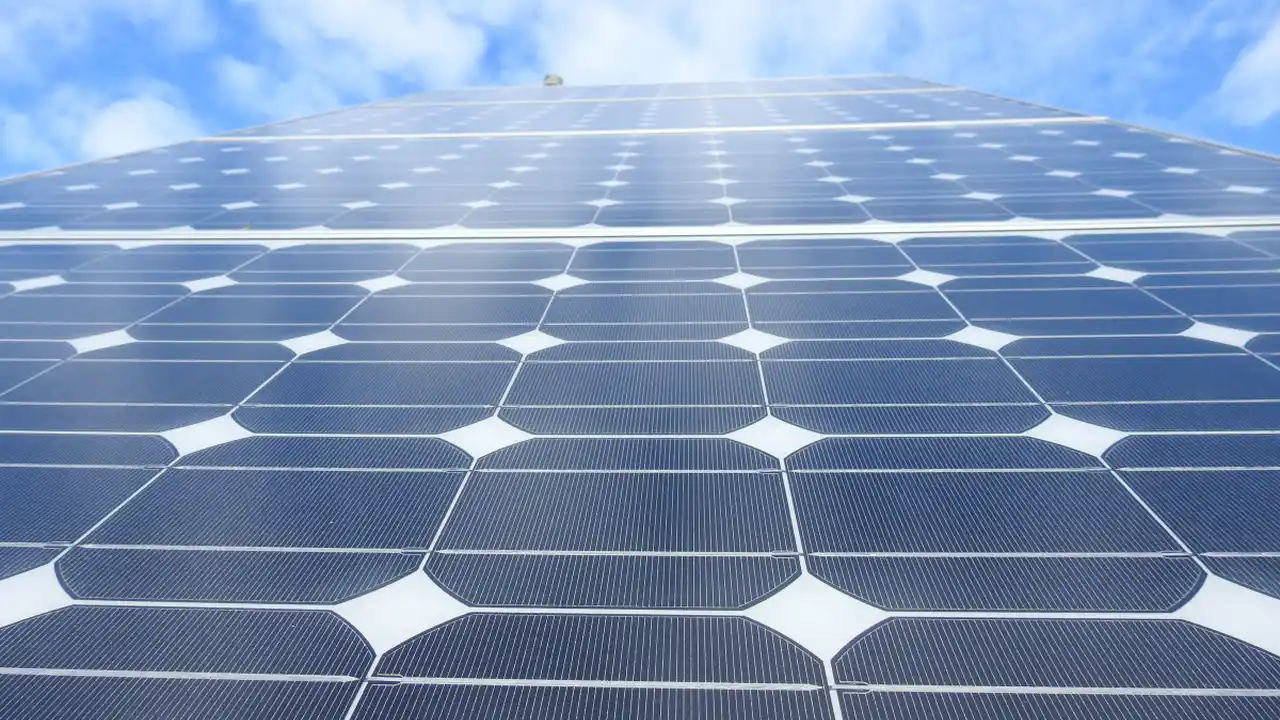
Compare the 4 best solar panel types for residential use. Generate clean electricity and reduce your energy bills.
Best 4 Solar Panel Types for Residential Use
Hey there, future eco-warrior and savvy homeowner! Thinking about harnessing the sun's power to light up your home and shrink those pesky electricity bills? You're in the right place! Solar panels are becoming super popular, and for good reason. They're not just good for the planet; they're also a smart financial move in the long run. But with so many options out there, how do you pick the right ones for your home? Don't sweat it! We're going to break down the four best solar panel types for residential use, helping you understand their pros, cons, and what might be the perfect fit for your unique situation.
Choosing the right solar panels isn't just about slapping some dark rectangles on your roof. It involves understanding efficiency, cost, durability, and even how they look. We'll dive deep into monocrystalline, polycrystalline, thin-film, and PERC solar panels, giving you all the juicy details you need to make an informed decision. We'll even throw in some product recommendations, real-world scenarios, and a peek at pricing so you can start budgeting for your sunny future. Let's get started!
Monocrystalline Solar Panels The High Efficiency Powerhouses
When you picture a solar panel, chances are you're thinking of a monocrystalline panel. These are the OG of solar tech, known for their sleek, dark appearance and impressive efficiency. They're made from a single, pure crystal of silicon, which is why they look so uniform and dark. This purity is key to their performance.
Understanding Monocrystalline Solar Panel Technology and Benefits
Monocrystalline panels are crafted from a single silicon ingot, which is grown from a seed crystal. This process creates a very uniform structure, allowing electrons to flow more freely and efficiently. This translates to higher power output per square foot compared to other types. Typically, monocrystalline panels boast efficiency ratings between 17% and 22%, with some premium models even pushing past 23%.
Key Benefits:
- High Efficiency: They produce more power in less space, making them ideal for roofs with limited area.
- Space-Saving: Because of their high efficiency, you need fewer panels to meet your energy needs, freeing up roof space.
- Durability: Generally very robust and come with long warranties, often 25 years or more.
- Aesthetics: Their uniform dark color often looks more appealing on residential roofs.
- Better Performance in Low Light: While not as good as some thin-film options in very low light, they generally perform better than polycrystalline panels in overcast conditions.
Monocrystalline Solar Panel Use Cases and Product Recommendations
Monocrystalline panels are perfect for homeowners who:
- Have limited roof space but high energy demands.
- Prioritize efficiency and long-term performance.
- Are looking for a sleek, aesthetically pleasing solar solution.
- Live in areas with good sun exposure but also occasional cloudy days.
Recommended Products:
-
SunPower Maxeon 6 AC: These are top-tier monocrystalline panels, often considered the best in terms of efficiency (up to 22.8%) and durability. They integrate microinverters, simplifying installation and maximizing individual panel performance. They come with an industry-leading 40-year warranty.
- Typical Power Output: 420-440W
- Estimated Cost (per panel, before installation/incentives): $400 - $600
- Ideal Scenario: Premium homes with limited roof space, seeking maximum energy production and long-term reliability.
-
LG NeON R: Another high-performance option, LG's NeON R series offers excellent efficiency (up to 22.3%) and a sleek design. They are known for their strong performance in hot climates due to a low temperature coefficient.
- Typical Power Output: 370-405W
- Estimated Cost (per panel, before installation/incentives): $350 - $500
- Ideal Scenario: Homeowners in hot regions looking for high efficiency and robust performance, willing to invest in quality.
-
REC Alpha Pure-R: REC panels are a great balance of performance and value. Their Alpha Pure-R series uses advanced heterojunction technology (HJT) for high efficiency (up to 22.3%) and lead-free construction.
- Typical Power Output: 400-430W
- Estimated Cost (per panel, before installation/incentives): $300 - $450
- Ideal Scenario: Homeowners seeking high efficiency and environmental responsibility without the absolute top-tier price tag.
Polycrystalline Solar Panels The Cost-Effective Choice
If monocrystalline panels are the sleek sports cars of the solar world, then polycrystalline panels are the reliable, budget-friendly sedans. They're a fantastic option for many homeowners, especially those with ample roof space and a keen eye on their budget. You can easily spot them by their distinctive blue, speckled appearance.
Exploring Polycrystalline Solar Panel Construction and Advantages
Unlike monocrystalline panels, polycrystalline panels are made from multiple silicon fragments melted together. This process is simpler and less expensive, which is why these panels tend to be more affordable. However, the multiple crystal structures mean electrons have slightly less freedom to move, resulting in slightly lower efficiency.
Key Advantages:
- Lower Cost: Generally more affordable per watt than monocrystalline panels, making solar more accessible.
- Good Performance: While less efficient than monocrystalline, they still offer solid performance, typically ranging from 15% to 17% efficiency.
- Environmentally Friendly Manufacturing: The manufacturing process uses less silicon and produces less waste compared to monocrystalline.
- Heat Tolerance: They tend to tolerate heat slightly better than monocrystalline panels, which can be a factor in very hot climates.
Polycrystalline Solar Panel Applications and Product Examples
Polycrystalline panels are ideal for homeowners who:
- Have plenty of roof space and aren't constrained by area.
- Are looking for the most cost-effective entry into solar energy.
- Prioritize overall system cost over peak efficiency per panel.
- Live in areas with consistent, strong sunlight.
Recommended Products:
-
Trina Solar Honey M Plus: Trina Solar is a global leader, and their Honey M Plus series offers reliable polycrystalline technology at a competitive price. They are known for their robust design and good performance.
- Typical Power Output: 280-300W
- Estimated Cost (per panel, before installation/incentives): $180 - $280
- Ideal Scenario: Budget-conscious homeowners with large roof areas, seeking reliable solar power without breaking the bank.
-
Canadian Solar KuPower: Canadian Solar is another well-respected brand offering dependable polycrystalline panels. Their KuPower series provides good value and solid performance, often used in large-scale residential installations.
- Typical Power Output: 290-310W
- Estimated Cost (per panel, before installation/incentives): $190 - $290
- Ideal Scenario: Homeowners looking for a trusted brand and good performance at an attractive price point, especially for larger systems.
-
Jinko Solar Eagle Series: Jinko Solar is one of the largest solar panel manufacturers globally. Their Eagle series polycrystalline panels are known for their reliability and cost-effectiveness, making them a popular choice for residential projects.
- Typical Power Output: 270-290W
- Estimated Cost (per panel, before installation/incentives): $170 - $270
- Ideal Scenario: Homeowners prioritizing affordability and proven technology from a major manufacturer.
Thin-Film Solar Panels The Flexible and Versatile Option
Thin-film solar panels are the rebels of the solar world. Instead of rigid silicon wafers, they use extremely thin layers of photovoltaic material deposited onto a substrate. This makes them incredibly flexible and lightweight, opening up a whole new world of possibilities for solar integration.
Understanding Thin-Film Solar Panel Composition and Unique Features
Thin-film panels can be made from various materials, including amorphous silicon (a-Si), cadmium telluride (CdTe), and copper indium gallium selenide (CIGS). The manufacturing process involves depositing these materials in thin layers, often just a few micrometers thick, onto a flexible backing like plastic or metal. This allows for panels that can bend, roll, and even be integrated into building materials.
Unique Features:
- Flexibility: Can be installed on curved surfaces or integrated into building materials like roof shingles.
- Lightweight: Much lighter than traditional silicon panels, reducing structural load on roofs.
- Better Performance in Low Light and High Temperatures: They tend to perform better than crystalline silicon panels in shaded conditions and very hot climates.
- Aesthetics: Can be less conspicuous or even invisible when integrated into building materials.
- Less Material Usage: Requires significantly less semiconductor material to produce.
Drawbacks:
- Lower Efficiency: Generally the least efficient type of solar panel, typically ranging from 10% to 13%. This means you need a much larger area to generate the same amount of power as crystalline panels.
- Larger Footprint: Due to lower efficiency, they require more space to achieve the desired power output.
- Shorter Warranties: Often come with shorter performance warranties compared to crystalline panels.
Thin-Film Solar Panel Applications and Product Considerations
Thin-film panels are best suited for homeowners who:
- Have very large, unobstructed roof areas or non-traditional surfaces (e.g., curved roofs, facades).
- Prioritize aesthetics and seamless integration into building design.
- Live in consistently hot or frequently overcast climates where their performance advantages shine.
- Are looking for specialized applications beyond traditional rooftop installations.
Recommended Products:
-
First Solar Series 6 (CdTe): First Solar is a leader in CdTe thin-film technology, known for its strong performance in hot and humid conditions. While primarily used in utility-scale projects, their technology is highly regarded. Residential applications might involve specialized installers.
- Typical Power Output: 420-450W (for larger commercial modules, residential equivalents would be smaller)
- Estimated Cost (per panel, before installation/incentives): Varies widely due to specialized application, often higher per watt for residential.
- Ideal Scenario: Niche residential applications where flexibility, low-light performance, and heat tolerance are paramount, often requiring custom solutions.
-
MiaSolé FLEX (CIGS): MiaSolé offers flexible CIGS thin-film modules that can be adhered directly to various surfaces, making them great for non-penetrating roof installations or unique architectural designs.
- Typical Power Output: 100-170W (per module, often smaller units)
- Estimated Cost (per panel/module, before installation/incentives): $200 - $400 (for smaller flexible units)
- Ideal Scenario: Homes with non-traditional roof structures, lightweight roof requirements, or a strong desire for integrated, low-profile solar.
-
CertainTeed Apollo II (Integrated Solar Shingles): While not a standalone thin-film panel, these are a great example of thin-film technology integrated into building materials. They are solar shingles that replace traditional roofing materials, offering a very discreet look.
- Typical Power Output: 60-70W per shingle (requires many shingles for significant output)
- Estimated Cost (per square foot of solar roofing, installed): $20 - $30+ (significantly higher than traditional panels, but includes roofing material)
- Ideal Scenario: Homeowners building a new home or replacing their roof, who prioritize aesthetics and want solar to be virtually invisible.
PERC Solar Panels The Enhanced Efficiency Evolution
PERC stands for Passivated Emitter Rear Cell, and it's not a completely new type of solar panel material, but rather an enhancement to existing crystalline silicon technology (both mono and poly). Think of it as an upgrade that squeezes more power out of the same silicon cell. Most high-efficiency monocrystalline panels today actually incorporate PERC technology.
Understanding PERC Solar Panel Technology and Performance Boosts
The magic of PERC technology lies in an additional layer on the back of the solar cell. This layer helps to:
- Reflect Unabsorbed Light: It reflects photons that would normally pass through the silicon cell back into the cell, giving them a second chance to be absorbed and generate electricity.
- Reduce Electron Recombination: It minimizes electron recombination at the rear of the cell, which is a process where electrons lose energy without contributing to current.
- Improve Performance in High Temperatures: By reflecting more light and reducing heat absorption, PERC cells perform better in warmer conditions.
These improvements lead to a noticeable boost in efficiency, often adding 1-2% to the overall panel efficiency compared to non-PERC counterparts. This means more power from the same size panel.
PERC Solar Panel Advantages and Modern Applications
PERC technology is now a standard feature in many premium solar panels, offering a sweet spot between high efficiency and cost-effectiveness. It's essentially a better version of monocrystalline or polycrystalline panels.
Key Advantages:
- Higher Efficiency: Offers a significant efficiency boost over traditional crystalline panels.
- Improved Low-Light Performance: Better at capturing energy in less-than-ideal lighting conditions.
- Better High-Temperature Performance: Maintains efficiency better when temperatures rise.
- Cost-Effective Upgrade: The manufacturing process for PERC is not significantly more expensive than traditional crystalline cells, making it a great value upgrade.
PERC panels are an excellent choice for almost any homeowner looking for a modern, efficient, and reliable solar solution. They are particularly beneficial for:
- Homeowners with moderate roof space who want to maximize energy production.
- Those in areas with fluctuating weather conditions, including hot summers or occasional cloudy days.
- Anyone looking for a balance of high performance and good value.
Recommended Products (Note: Most modern monocrystalline panels are PERC, so these are often the same as the high-efficiency mono recommendations):
-
Q CELLS Q Peak Duo G10: Q CELLS is renowned for its PERC technology, offering excellent efficiency (up to 21.6%) and robust construction. Their panels are known for their long-term reliability and performance guarantees.
- Typical Power Output: 380-410W
- Estimated Cost (per panel, before installation/incentives): $280 - $400
- Ideal Scenario: Homeowners seeking a high-quality, high-efficiency panel from a reputable brand at a competitive price point.
-
LONGi Solar Hi-MO 5m: LONGi is a global leader in monocrystalline PERC technology. Their Hi-MO 5m series offers very high efficiency (up to 21.3%) and is designed for high power output, making it a popular choice for residential and commercial projects.
- Typical Power Output: 400-415W
- Estimated Cost (per panel, before installation/incentives): $270 - $380
- Ideal Scenario: Homeowners looking for cutting-edge PERC technology and high power output from a major manufacturer.
-
JA Solar DeepBlue 3.0: JA Solar is another top-tier manufacturer with strong offerings in PERC technology. Their DeepBlue 3.0 series combines high efficiency (up to 21.3%) with excellent durability and performance in various conditions.
- Typical Power Output: 390-410W
- Estimated Cost (per panel, before installation/incentives): $260 - $370
- Ideal Scenario: Homeowners who want a reliable, high-performance PERC panel with a good balance of features and cost.
Comparing Solar Panel Types Making the Right Choice for Your Home
Alright, we've covered the main players. Now, let's put them side-by-side to help you figure out which one is the superstar for your specific needs. Remember, there's no single 'best' panel; it's all about what works best for your home, budget, and energy goals.
Key Factors for Solar Panel Selection Efficiency Cost and Aesthetics
When you're weighing your options, keep these three big factors in mind:
-
Efficiency: This tells you how much sunlight a panel can convert into electricity. Higher efficiency means more power from a smaller area. If your roof space is limited, higher efficiency (like monocrystalline or PERC) is usually better. If you have a huge, unobstructed roof, slightly lower efficiency (like polycrystalline) might be fine, as you can just install more panels.
- Monocrystalline/PERC: 17-23%+ (Excellent)
- Polycrystalline: 15-17% (Good)
- Thin-Film: 10-13% (Lower, but with other benefits)
-
Cost: This is often the biggest deciding factor. Solar panels are a significant investment, but prices have come down a lot. Remember to look at the cost per watt, not just the panel price, to get a true comparison.
- Monocrystalline/PERC: Higher upfront cost per panel, but potentially lower overall system cost due to fewer panels needed.
- Polycrystalline: Lower upfront cost per panel, often the most budget-friendly option for larger systems.
- Thin-Film: Can be higher per watt for specialized applications, but lower for the material itself. Installation costs can vary widely.
-
Aesthetics: How important is the look of your solar panels? Monocrystalline panels are typically dark and uniform, blending well with most roofs. Polycrystalline panels have a blue, speckled appearance. Thin-film can be almost invisible if integrated into roofing materials.
- Monocrystalline/PERC: Sleek, dark, generally preferred for aesthetics.
- Polycrystalline: Blue, speckled, noticeable.
- Thin-Film: Can be very discreet or integrated, depending on the product.
Durability Warranties and Environmental Impact Considerations
Beyond the big three, don't forget these important aspects:
-
Durability and Lifespan: Most solar panels are built to last, often with performance warranties of 25 years or more. Monocrystalline and PERC panels generally lead here. Thin-film panels might have shorter warranties, but their flexibility can be an advantage in certain environments.
- Monocrystalline/PERC: Excellent, 25-40 year warranties common.
- Polycrystalline: Very good, 25-year warranties common.
- Thin-Film: Good, but warranties can be shorter, often 10-20 years.
-
Performance in Different Conditions:
- Hot Climates: Thin-film and PERC panels tend to perform better as temperatures rise.
- Low Light/Overcast: Thin-film generally excels, followed by monocrystalline/PERC. Polycrystalline is decent but less effective.
- Shading: Panels with microinverters (often paired with monocrystalline/PERC) or thin-film are better at handling partial shading.
- Environmental Impact: All solar panels reduce your carbon footprint, but their manufacturing processes differ. Polycrystalline uses less silicon, and thin-film uses less material overall. Some manufacturers are also focusing on lead-free or more recyclable designs (like REC Alpha Pure-R).
So, take a good look at your roof, your energy bills, and your budget. Get a few quotes from different installers, as they can offer various panel types and system designs. Don't be afraid to ask questions about efficiency, warranties, and how the panels will perform in your specific climate. Going solar is a fantastic journey, and choosing the right panels is your first big step towards a brighter, more sustainable home!
:max_bytes(150000):strip_icc()/277019-baked-pork-chops-with-cream-of-mushroom-soup-DDMFS-beauty-4x3-BG-7505-5762b731cf30447d9cbbbbbf387beafa.jpg)