6 Must-Have Features for a Green Roof
Uncover the 6 must-have features for a successful green roof installation. Enhance insulation and biodiversity on your home.
Uncover the 6 must-have features for a successful green roof installation. Enhance insulation and biodiversity on your home.
6 Must Have Features for a Green Roof
Hey there, eco-conscious homeowner! Thinking about adding a green roof to your pad? That's awesome! Green roofs aren't just pretty; they're powerhouses of sustainability, offering everything from better insulation to a boost for local biodiversity. But before you start picturing a mini-forest on your rooftop, there are some crucial elements you need to get right. It's not just about throwing some dirt and plants up there; a successful green roof is a carefully engineered system. Let's dive into the six must-have features that will make your green roof a thriving, long-lasting asset to your home.
1. Robust Waterproofing and Root Barrier Systems for Green Roof Longevity
Alright, let's kick things off with arguably the most critical component: waterproofing. Imagine all that soil and water sitting on your roof – without a top-notch waterproofing system, you're basically inviting leaks and structural damage. This isn't a place to cut corners. You need a high-quality, durable membrane that can withstand constant moisture and temperature fluctuations. Think EPDM (ethylene propylene diene monomer) rubber, TPO (thermoplastic polyolefin), or modified bitumen. These materials are known for their flexibility and longevity, often coming with warranties of 20 years or more. For instance, Firestone PondGard EPDM Liner is a popular choice, often used for water features but perfectly suited for green roofs due to its extreme durability and resistance to UV and root penetration. Another excellent option is Carlisle SynTec Sure-Seal EPDM, which is widely respected in commercial roofing for its reliability. Expect to pay anywhere from $2 to $5 per square foot for the material alone, with installation costs varying significantly based on your location and roof complexity.
But wait, there's more! Even the toughest waterproofing can be compromised by persistent plant roots. That's where the root barrier comes in. This is a separate layer, usually a thick, non-biodegradable sheet, placed directly on top of your waterproofing membrane. It acts as a physical shield, preventing roots from growing into and damaging the waterproof layer. Some waterproofing membranes come with integrated root barriers, which can simplify installation. For example, Soprema Sopralene Flam 180 FR GR is a modified bitumen membrane with a built-in root barrier, making it a two-in-one solution. If you're using a separate root barrier, products like XeroFlor XF301 Root Barrier are specifically designed for green roof applications. The cost for a dedicated root barrier typically ranges from $0.50 to $1.50 per square foot. Don't skip this step; a compromised root barrier can lead to costly repairs down the line.
2. Efficient Drainage Layer for Green Roof Water Management
Next up, let's talk drainage. While you want your plants to get enough water, you definitely don't want your roof to become a swamp. An efficient drainage layer is crucial for preventing waterlogging, which can harm your plants and add unnecessary weight to your roof structure. This layer sits above the root barrier and allows excess water to flow away, typically towards your existing roof drains. It also helps aerate the soil, which is vital for healthy root growth.
There are a few common types of drainage layers. One popular option is a dimpled plastic sheet, often made from recycled materials, which creates a void for water to move through. Products like J-Drain J-Drain 200 or Cosella-Dörken Delta-Floraxx are excellent examples. These typically cost between $1.50 and $3.00 per square foot. Another method involves using a granular drainage layer, such as lightweight expanded clay aggregate (LECA) or crushed recycled brick. While these can be effective, they add more weight than dimpled sheets and require a filter fabric to prevent soil from washing into them. For a more integrated approach, some systems combine the drainage and water retention functions, which we'll discuss next.
3. Water Retention Layer for Sustainable Green Roof Hydration
Now, here's where green roofs get really clever. While you need to drain excess water, you also want to retain enough moisture to keep your plants happy, especially during dry spells. This is where the water retention layer comes in. It works hand-in-hand with the drainage layer, holding onto a certain amount of water that plants can then draw upon, reducing the need for frequent irrigation. This is a huge win for sustainability and water conservation.
Many modern green roof systems integrate drainage and water retention into a single component. These often consist of a mat or board with small cups or cells that hold water. For example, Optigreen Meander Board is a popular choice, designed to hold water in its dimples while allowing excess to drain. Another excellent product is the ZinCo Floradrain FD 40, a high-performance drainage and water storage element. These integrated systems can range from $3 to $7 per square foot, depending on the material and complexity. For extensive green roofs (thinner soil layers), a simple felt mat made from recycled fibers, like American Hydrotech GardNet, can also serve as a water retention layer, typically costing less than $1 per square foot. The key is to strike a balance: enough retention to support plant life, but not so much that it overloads your roof or waterlogs the soil.
4. Filter Fabric to Prevent Clogging and Maintain Green Roof Health
This might seem like a small detail, but trust me, it's a big deal. The filter fabric is a non-woven geotextile material that sits directly on top of your drainage/water retention layer, just beneath the growing medium. Its job is simple but crucial: it prevents fine soil particles from washing down into the drainage layer and clogging it up. Without a filter fabric, your drainage system would quickly become ineffective, leading to waterlogging and potential damage to your roof structure.
Think of it like a coffee filter for your roof. It lets water pass through but keeps the solids (soil) where they belong. You'll want a high-quality, permeable filter fabric that's resistant to punctures and UV degradation. Products like Mirafi 140N or Typar Geotextile Fabric are commonly used in green roof applications. These are typically made from polypropylene or polyester and are designed for long-term performance. The cost for filter fabric is relatively low, usually in the range of $0.20 to $0.50 per square foot. It's a small investment that protects the integrity of your entire green roof system, so don't even think about skipping it!
5. Lightweight Engineered Growing Medium for Optimal Plant Growth
Now for the fun part – the stuff your plants actually grow in! But hold on, you can't just haul up bags of garden soil from your local nursery. Traditional soil is far too heavy and can compact easily, which isn't good for roots or your roof structure. A successful green roof requires a specially engineered, lightweight growing medium. This isn't just dirt; it's a carefully formulated blend designed to provide optimal aeration, drainage, and nutrient retention while keeping the overall weight down.
These growing media typically consist of a mix of inorganic materials like expanded shale, clay, or slate (often called 'lightweight aggregates'), along with a small percentage of organic matter (like compost or peat) for nutrients. The exact composition will vary depending on the type of green roof (extensive or intensive) and the plants you choose. For extensive green roofs (thinner, low-maintenance systems), a common mix might be 80-90% inorganic material and 10-20% organic. For example, Skyland USA's Green Roof Media offers various blends tailored for different plant types and roof depths. Another reputable supplier is Rooflite, which provides a range of engineered substrates. The cost of engineered growing media is significantly higher than regular soil, typically ranging from $0.50 to $1.50 per pound, or $100 to $300 per cubic yard, depending on the blend and quantity. This can translate to $5 to $20 per square foot, depending on the depth of your green roof. It's a crucial investment for the health and longevity of your plants.
6. Appropriate Plant Selection for Green Roof Success and Biodiversity
Finally, we get to the stars of the show: the plants! Choosing the right plants is absolutely essential for a successful green roof. You can't just pick any pretty flower; you need species that are tough, resilient, and well-suited to the unique conditions of a rooftop environment. Think extreme temperature fluctuations, strong winds, intense sun exposure, and limited soil depth. The goal is to select plants that can thrive with minimal irrigation and maintenance once established.
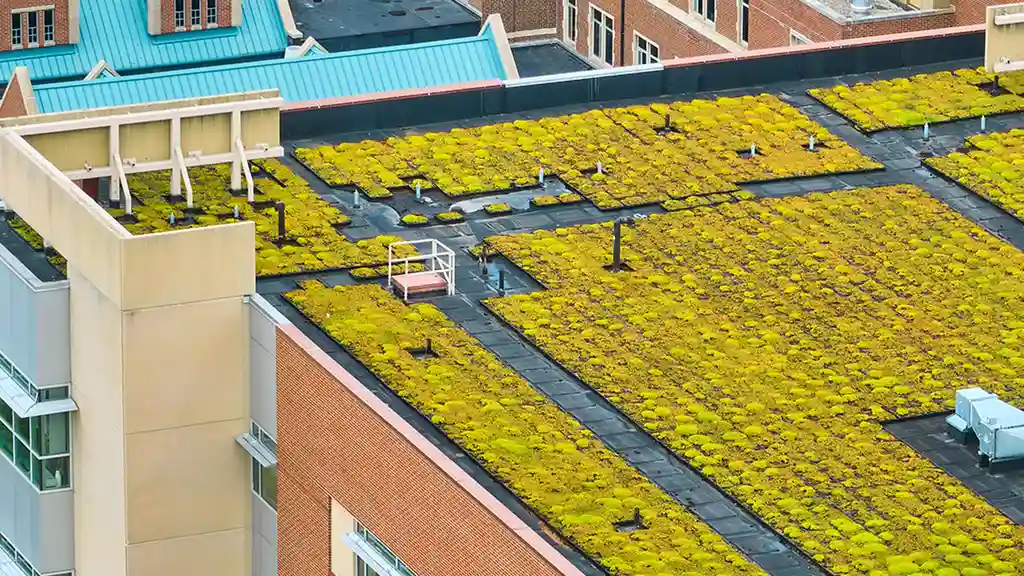
For extensive green roofs, succulents like Sedum are the undisputed champions. They're incredibly drought-tolerant, require very little soil, and come in a wide variety of colors and textures. You can get Sedum in pre-grown mats, like Green Roof Blocks Sedum Mats, which offer instant coverage and erosion control. These mats typically cost $8 to $15 per square foot. Alternatively, you can plant individual Sedum plugs or cuttings, which is more labor-intensive but often more cost-effective, with plugs costing around $0.50 to $1.50 each. Other suitable plants for extensive roofs include certain grasses (e.g., Fescue varieties), herbs (e.g., Thyme, Chives), and some wildflowers that can handle harsh conditions.
For intensive green roofs (which have deeper soil and can support a wider variety of plants, including shrubs and even small trees), your options open up considerably. However, even here, you'll want to prioritize native species that are adapted to your local climate and require less water and fertilizer. Consider plants that provide habitat for pollinators and birds, boosting local biodiversity. For example, in many regions, native grasses, coneflowers, and milkweed varieties are excellent choices. When selecting plants, always consult with a local nursery or green roof specialist to ensure they are appropriate for your specific climate zone and roof conditions. Remember, the right plant in the right place is key to a vibrant, low-maintenance green roof that truly enhances your home and the environment.
So there you have it – the six essential features for a green roof that's not just a pretty face, but a functional, sustainable, and long-lasting addition to your home. Getting these elements right from the start will save you headaches and ensure your green roof thrives for years to come. Happy green roofing!
:max_bytes(150000):strip_icc()/277019-baked-pork-chops-with-cream-of-mushroom-soup-DDMFS-beauty-4x3-BG-7505-5762b731cf30447d9cbbbbbf387beafa.jpg)