Comparing 4 Popular Window Types for Energy Efficiency
Compare the 4 most popular window types for energy efficiency and insulation. Choose the best windows to seal your home.
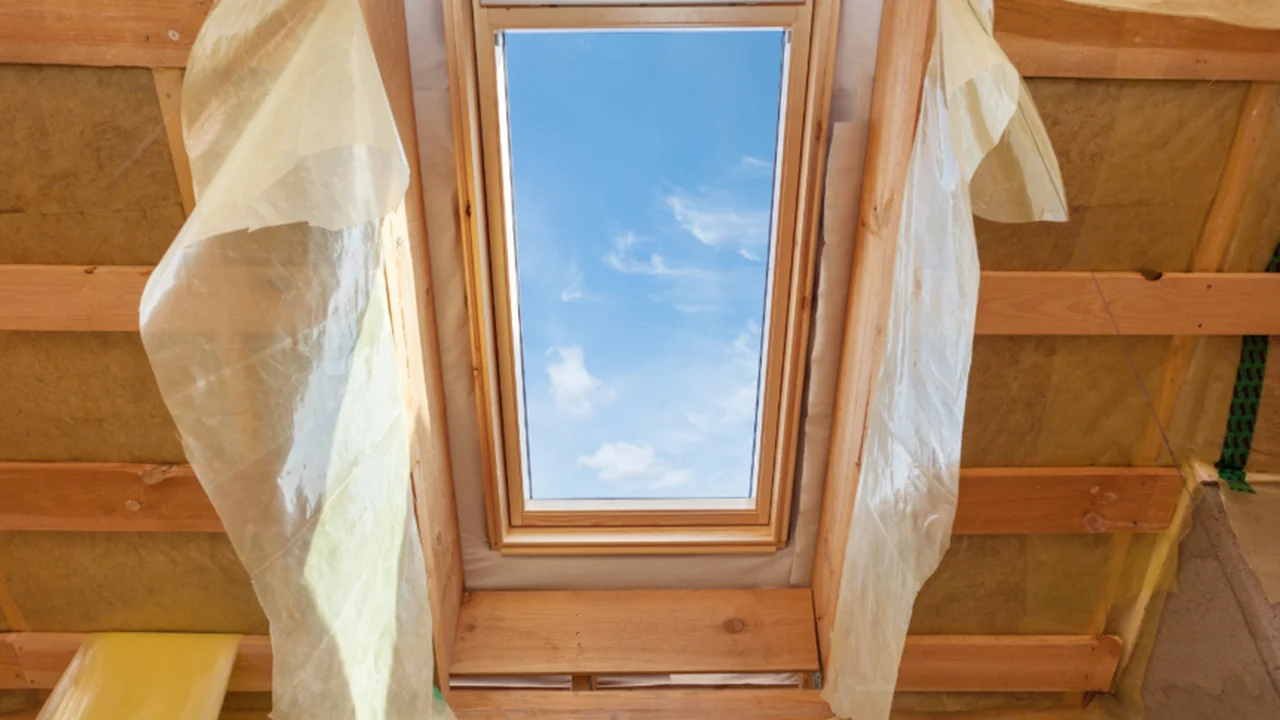
Compare the 4 most popular window types for energy efficiency and insulation. Choose the best windows to seal your home.
Comparing 4 Popular Window Types for Energy Efficiency
Hey there, homeowners! Thinking about upgrading your windows? That's a smart move, especially if you're looking to boost your home's energy efficiency and keep those utility bills in check. Windows are a huge factor in how well your home retains heat in winter and stays cool in summer. But with so many options out there, how do you pick the right ones? Don't sweat it! We're going to break down the four most popular window types, focusing on their energy efficiency, insulation properties, and what makes each one a good (or not-so-good) fit for your home. We'll even throw in some product recommendations, typical price ranges, and real-world scenarios to help you make an informed decision. Let's dive in!
Understanding Window Energy Efficiency Key Metrics
Before we get into the different types, let's quickly go over some terms you'll encounter when shopping for energy-efficient windows. Knowing these will help you compare apples to apples:
- U-Factor: This measures how well a window prevents heat from escaping your home. A lower U-factor means better insulation and less heat loss. Think of it like a blanket – a thicker blanket has a lower U-factor and keeps you warmer.
- Solar Heat Gain Coefficient (SHGC): This measures how much solar radiation (heat from the sun) passes through a window. A lower SHGC is better if you want to minimize heat gain, especially in hot climates or on south-facing windows. In colder climates, a higher SHGC might be desirable to let in some free solar heat.
- Visible Transmittance (VT): This indicates how much visible light passes through a window. A higher VT means more natural light, which is great for brightening up your home and reducing the need for artificial lighting.
- Air Leakage (AL): This measures how much air infiltrates through the cracks and gaps in a window assembly. A lower AL rating means less draftiness and better energy performance.
- Low-E Coatings: These are microscopic, transparent metallic coatings applied to window glass. They reflect infrared light (heat) while allowing visible light to pass through. This helps keep heat inside during winter and outside during summer.
- Argon or Krypton Gas Fills: These inert gases are often used between panes of glass in double or triple-pane windows. They are denser than air and provide better insulation, further reducing heat transfer.
Double-Pane Windows The Standard for Energy Savings
Double-pane windows, also known as insulated glass units (IGUs), are pretty much the industry standard these days, and for good reason. They consist of two panes of glass separated by a sealed air or gas-filled space. This gap acts as an insulating barrier, significantly reducing heat transfer compared to old single-pane windows.
Benefits of Double-Pane Windows for Homeowners
- Improved Insulation: The air or gas gap between the panes slows down heat transfer, keeping your home warmer in winter and cooler in summer.
- Reduced Noise: The extra pane of glass and the air gap also help to dampen outside noise, making your home quieter.
- Cost-Effective: They offer a great balance of performance and affordability, making them a popular choice for most homeowners.
- Condensation Reduction: The inner pane stays warmer, reducing the likelihood of condensation forming on the inside surface.
Considerations for Double-Pane Window Installation
- Seal Failure: Over time, the seal between the panes can fail, leading to fogging or condensation between the glass. This reduces their insulating properties.
- Weight: They are heavier than single-pane windows, which might require stronger frames.
Recommended Double-Pane Window Products and Pricing
When it comes to double-pane windows, you'll find a vast array of options. Here are a few well-regarded brands and typical price points:
- Andersen 400 Series: These are a popular choice for their durability and energy efficiency. They often feature Low-E glass and argon gas fills. A standard double-hung window from this series might range from $400 to $700 per window (material only), depending on size and features.
- Pella 250 Series: Pella offers good quality vinyl double-pane windows with various energy-efficient options. Expect to pay around $350 to $600 per window (material only) for a standard size.
- Milgard Style Line Series: Known for their sleek vinyl frames and good thermal performance. Prices typically fall in the $300 to $550 per window (material only) range.
Scenario: You live in a moderate climate like California or parts of the Southeast Asia, and your current windows are old, drafty single-panes. Upgrading to quality double-pane windows with Low-E coatings and argon gas will significantly improve your home's comfort and reduce your energy bills by 15-20% annually. This is a solid, cost-effective upgrade for most homes.
Triple-Pane Windows Superior Insulation for Extreme Climates
If double-pane windows are good, triple-pane windows are even better! As the name suggests, they feature three panes of glass with two sealed air or gas-filled spaces. This extra layer of insulation makes them incredibly effective at preventing heat transfer.
Advantages of Triple-Pane Windows for Energy Savings
- Exceptional Insulation: They offer the best thermal performance, significantly reducing heat loss and gain. This is particularly beneficial in very cold or very hot climates.
- Maximum Noise Reduction: The three panes and two air gaps provide superior soundproofing, making your home even quieter.
- Enhanced Comfort: The interior glass surface stays closer to room temperature, eliminating cold spots near windows and improving overall comfort.
- Reduced Condensation: The multiple layers further minimize condensation on the interior glass.
Disadvantages of Triple-Pane Window Investment
- Higher Cost: They are more expensive than double-pane windows, both in terms of material and installation.
- Heavier: The added glass makes them significantly heavier, which can impact installation and require stronger frames.
- Less Visible Transmittance: The extra pane can slightly reduce the amount of natural light entering your home, though modern designs minimize this.
Recommended Triple-Pane Window Products and Pricing
Triple-pane windows are a premium product, and their pricing reflects that. They are often found in high-performance lines from major manufacturers.
- Marvin Elevate Series (formerly Integrity): Known for their fiberglass frames and excellent energy performance, often available with triple-pane options. A standard double-hung triple-pane window could cost anywhere from $700 to $1,200+ per window (material only).
- Andersen A-Series: Andersen's top-tier series offers exceptional energy efficiency and design flexibility, with triple-pane options. Expect prices in the $800 to $1,500+ per window (material only) range.
- Kolbe VistaLuxe Collection: High-end, custom-designed windows that can be configured with triple-pane glass for maximum performance. These can easily run from $1,000 to $2,000+ per window (material only).
Scenario: You live in a region with extreme temperature swings, like the northern US or mountainous areas, or you're building a passive house. Investing in triple-pane windows will provide the best possible insulation, drastically cutting heating and cooling costs, and creating a supremely comfortable indoor environment. While the upfront cost is higher, the long-term energy savings and comfort benefits can be substantial.
Low-E Coated Windows Maximizing Thermal Performance
Low-E (low-emissivity) coatings aren't a window type in themselves, but rather a crucial enhancement that can be applied to both double-pane and triple-pane windows. These microscopic, transparent metallic layers are designed to reflect infrared light (heat) while allowing visible light to pass through. This means they help keep heat inside during colder months and reflect solar heat away during warmer months.
Benefits of Low-E Coatings for Year-Round Comfort
- Reduced Heat Transfer: Low-E coatings significantly improve a window's U-factor and SHGC, leading to better insulation and reduced energy consumption.
- UV Protection: Many Low-E coatings also block a significant portion of harmful UV rays, protecting your furniture, carpets, and artwork from fading.
- Improved Comfort: By reflecting heat, they help maintain a more consistent indoor temperature, reducing cold spots in winter and hot spots in summer.
- Versatility: Low-E coatings can be customized for different climates. For example, a coating designed for a hot climate will have a lower SHGC to block more solar heat, while one for a cold climate might have a slightly higher SHGC to allow some passive solar heating.
Considerations for Low-E Window Selection
- Placement of Coating: The specific surface on which the Low-E coating is applied (e.g., surface 2 or surface 3 in a double-pane window) can impact its performance for different climates. Your window supplier can guide you on the best option.
- Slight Tint: Some Low-E coatings can have a very subtle tint, which might slightly alter the appearance of the glass, though this is often imperceptible.
Recommended Low-E Window Products and Pricing
Most reputable window manufacturers offer Low-E coatings as a standard or optional feature on their double and triple-pane windows. The cost of adding a Low-E coating is usually integrated into the overall window price, but it's a relatively small increase for a significant energy benefit.
- Simonton DaylightMax Windows: These often come standard with Low-E 366 glass, which is excellent for balancing solar heat gain and light transmission. A standard double-hung window with this feature might be in the $350 to $650 per window (material only) range.
- JELD-WEN V-2500 Series: Another solid vinyl option that frequently includes Low-E glass. Expect prices from $300 to $500 per window (material only).
- Harvey Classic Windows: Popular in the Northeast US, these vinyl windows are known for their energy efficiency and often feature advanced Low-E glass packages. Prices typically range from $400 to $750 per window (material only).
Scenario: You live in a sunny region like Florida or Southeast Asia, where managing solar heat gain is crucial. Opting for double-pane windows with a high-performance Low-E coating (designed to block solar heat) will dramatically reduce your air conditioning load, keeping your home cooler and more comfortable without sacrificing natural light. Even in colder climates, a different type of Low-E coating can help retain indoor heat, making it a universally beneficial upgrade.
Gas-Filled Windows Enhancing Thermal Barriers
Similar to Low-E coatings, gas fills are an enhancement rather than a standalone window type. They involve filling the space between the panes of glass with an inert gas, most commonly argon or krypton, instead of just air. These gases are denser than air and have lower thermal conductivity, meaning they are better insulators.
Advantages of Gas-Filled Windows for Improved Insulation
- Superior Insulation: Argon and krypton gas fills significantly reduce heat transfer through convection and conduction within the sealed unit, leading to lower U-factors.
- Enhanced Energy Efficiency: This improved insulation translates directly into lower heating and cooling costs.
- Reduced Condensation: The warmer interior glass surface, thanks to the gas fill, further minimizes condensation.
- Sound Dampening: The denser gas also contributes to better sound insulation, making your home quieter.
Considerations for Gas-Filled Window Performance
- Gas Leakage: While rare with quality manufacturing, the gas can slowly leak out over many years, reducing the window's performance. However, modern sealing techniques have made this much less of an issue.
- Cost: Adding gas fills will slightly increase the cost of the window compared to an air-filled unit.
Recommended Gas-Filled Window Products and Pricing
Most energy-efficient double and triple-pane windows from reputable brands will offer argon gas fills as a standard or optional feature. Krypton is typically reserved for triple-pane units or very narrow air spaces due to its higher cost and superior performance in smaller gaps.
- Andersen 100 Series: A more budget-friendly option from Andersen, often available with argon gas fills. A standard window might cost $250 to $450 per window (material only).
- Pella Impervia Series: Fiberglass windows known for their strength and energy efficiency, frequently featuring argon gas. Prices typically range from $450 to $800 per window (material only).
- Ply Gem Premium Series: Good quality vinyl windows that often include argon gas fills for enhanced thermal performance. Expect to pay around $300 to $550 per window (material only).
Scenario: You're replacing windows in a home where energy efficiency is a top priority, and you want to maximize your investment without jumping to triple-pane. Opting for double-pane windows with both Low-E coatings and argon gas fills provides an excellent balance of performance and cost. This combination is highly effective in most climates, offering significant energy savings and improved comfort for a reasonable price point.
Comparing the Four Window Types and Their Combinations
Let's put it all together and see how these options stack up. Remember, the best choice for you depends on your climate, budget, and specific needs.
Performance Comparison Chart for Window Types
| Feature | Double-Pane (Air-Filled) | Double-Pane (Low-E + Argon) | Triple-Pane (Low-E + Argon/Krypton) |
|---|---|---|---|
| U-Factor (Lower is Better) | 0.40 - 0.50 | 0.25 - 0.30 | 0.15 - 0.22 |
| SHGC (Lower for Hot Climates) | 0.50 - 0.70 | 0.20 - 0.40 | 0.15 - 0.30 |
| Noise Reduction | Good | Very Good | Excellent |
| Condensation Resistance | Good | Very Good | Excellent |
| Cost (Material Only, per window) | $200 - $400 | $300 - $700 | $700 - $1500+ |
| Best For | Budget-conscious, mild climates, basic upgrade | Most climates, excellent balance of cost/performance, significant energy savings | Extreme climates (very hot/cold), maximum comfort, passive house designs |
Choosing the Right Window for Your Home and Climate
So, how do you make the final call? Here's a quick guide:
- For Budget-Conscious Homeowners in Mild Climates: Basic double-pane windows (air-filled) are a significant upgrade from single-pane and will offer noticeable improvements in comfort and energy bills. They are the most affordable entry point into energy-efficient windows.
- For Most Homeowners Seeking a Great Balance: Double-pane windows with Low-E coatings and argon gas fills are often the sweet spot. They provide excellent energy performance for most climates (both hot and cold), offer good noise reduction, and are a cost-effective investment with a strong return in energy savings. This is probably the most common and recommended option for the majority of homes in the US and Southeast Asia.
- For Extreme Climates or Maximum Performance: If you live in an area with brutally cold winters or scorching hot summers, or if you're building a highly energy-efficient home (like a net-zero or passive house), triple-pane windows with Low-E coatings and argon/krypton gas fills are your best bet. They offer unparalleled insulation and comfort, though at a higher upfront cost.
Installation Considerations for Optimal Window Performance
Even the most energy-efficient window won't perform well if it's not installed correctly. Proper installation is just as crucial as the window itself. Here are some key points:
- Professional Installation: Unless you're an experienced DIYer, hiring a certified professional installer is highly recommended. They ensure proper sealing, flashing, and leveling, which are critical for energy efficiency and preventing water leaks.
- Air Sealing: The gaps around the window frame must be properly sealed with insulation and caulk to prevent air leakage. This is a common area where energy is lost.
- Flashing: Correct flashing around the window opening is essential to prevent water intrusion, which can lead to rot and mold.
- Frame Material: While we focused on glass types, the frame material also plays a role in energy efficiency. Vinyl, fiberglass, and wood frames generally offer better insulation than aluminum frames.
Long-Term Maintenance and Care for Your Energy-Efficient Windows
To ensure your new windows continue to perform optimally for years to come, a little maintenance goes a long way:
- Regular Cleaning: Keep the glass clean for maximum light transmission. Use a mild soap and water solution or a dedicated glass cleaner.
- Inspect Seals and Caulking: Periodically check the caulking around the window frame, both inside and out. If you see cracks or deterioration, reapply caulk to maintain an airtight seal.
- Check for Condensation: While energy-efficient windows reduce condensation, excessive condensation between the panes can indicate a seal failure, which might require professional repair or replacement of the insulated glass unit.
- Clean Weep Holes: Many windows have small weep holes at the bottom of the frame to allow any trapped water to drain. Keep these clear of debris.
- Lubricate Moving Parts: For operational windows (like double-hung or casement), occasionally lubricate hinges and tracks with a silicone-based spray to ensure smooth operation.
Upgrading your windows is a significant investment, but it's one that pays off in increased comfort, reduced energy bills, and often, improved home value. By understanding the different types, their energy-saving features, and what to look for in terms of products and installation, you're well on your way to making a smart decision for your home. Happy window shopping!
:max_bytes(150000):strip_icc()/277019-baked-pork-chops-with-cream-of-mushroom-soup-DDMFS-beauty-4x3-BG-7505-5762b731cf30447d9cbbbbbf387beafa.jpg)