Comparing 4 Popular Patio Flooring Options
Compare the 4 most popular patio flooring options for durability, aesthetics, and ease of installation. Find your perfect outdoor surface.
Compare the 4 most popular patio flooring options for durability, aesthetics, and ease of installation. Find your perfect outdoor surface.
Comparing 4 Popular Patio Flooring Options
So, you're dreaming of that perfect outdoor oasis, a place to relax, entertain, and soak up the sun. A crucial part of bringing that vision to life is choosing the right patio flooring. It's not just about looks; you need something that can stand up to the elements, foot traffic, and your lifestyle. With so many choices out there, it can feel a bit overwhelming. But don't worry, we're here to break down the four most popular patio flooring options: concrete, pavers, wood decking, and composite decking. We'll dive deep into their pros and cons, installation considerations, maintenance needs, and even give you some product recommendations and price ranges to help you make an informed decision.
Concrete Patios The Versatile and Durable Choice
Concrete is often the go-to for many homeowners, and for good reason. It's incredibly versatile, durable, and can be customized in a surprising number of ways. When we talk about concrete patios, we're not just talking about a plain gray slab anymore. Modern concrete patios can be stamped, stained, colored, and even polished to mimic more expensive materials like stone or tile.
Benefits of Concrete Patio Flooring
- Durability and Longevity: Concrete is tough. It can withstand heavy furniture, foot traffic, and harsh weather conditions for decades if properly installed and maintained.
- Low Maintenance: Once sealed, concrete is relatively easy to clean. A simple sweep and occasional power wash usually do the trick.
- Versatility in Design: This is where concrete really shines. You can choose from a wide array of colors, patterns (stamped concrete), and finishes. Want it to look like flagstone? No problem. Prefer a sleek, modern polished look? Concrete can do that too.
- Cost-Effective: Generally, concrete is one of the more budget-friendly options, especially for larger areas.
Drawbacks of Concrete Patio Surfaces
- Cracking Potential: While durable, concrete can crack over time due to ground movement, freeze-thaw cycles, or improper installation. Expansion joints help mitigate this.
- Hard Surface: It's a hard surface, which means it's not the most forgiving if you fall, and it can be uncomfortable to stand on for long periods without proper footwear.
- Installation Complexity: Pouring a concrete slab requires skill and proper preparation. It's often best left to professionals.
Concrete Patio Installation and Maintenance Tips
Installation involves preparing the sub-base, setting forms, pouring the concrete, and then finishing it. For stamped or colored concrete, these steps require specialized techniques. Maintenance typically involves regular cleaning and resealing every few years to protect against stains and weather damage. A good quality sealer is key to its longevity and appearance.
Recommended Concrete Products and Pricing
For DIY enthusiasts, you can buy bags of ready-mix concrete, but for a full patio, you'll likely need to order from a concrete supplier. Pricing for a basic poured concrete patio can range from $4 to $10 per square foot. Stamped or colored concrete will be on the higher end, typically $12 to $25 per square foot, due to the added labor and materials for specialized finishes. For sealers, brands like Foundation Armor and RadonSeal offer excellent options for durability and protection.
Pavers The Customizable and Repairable Solution
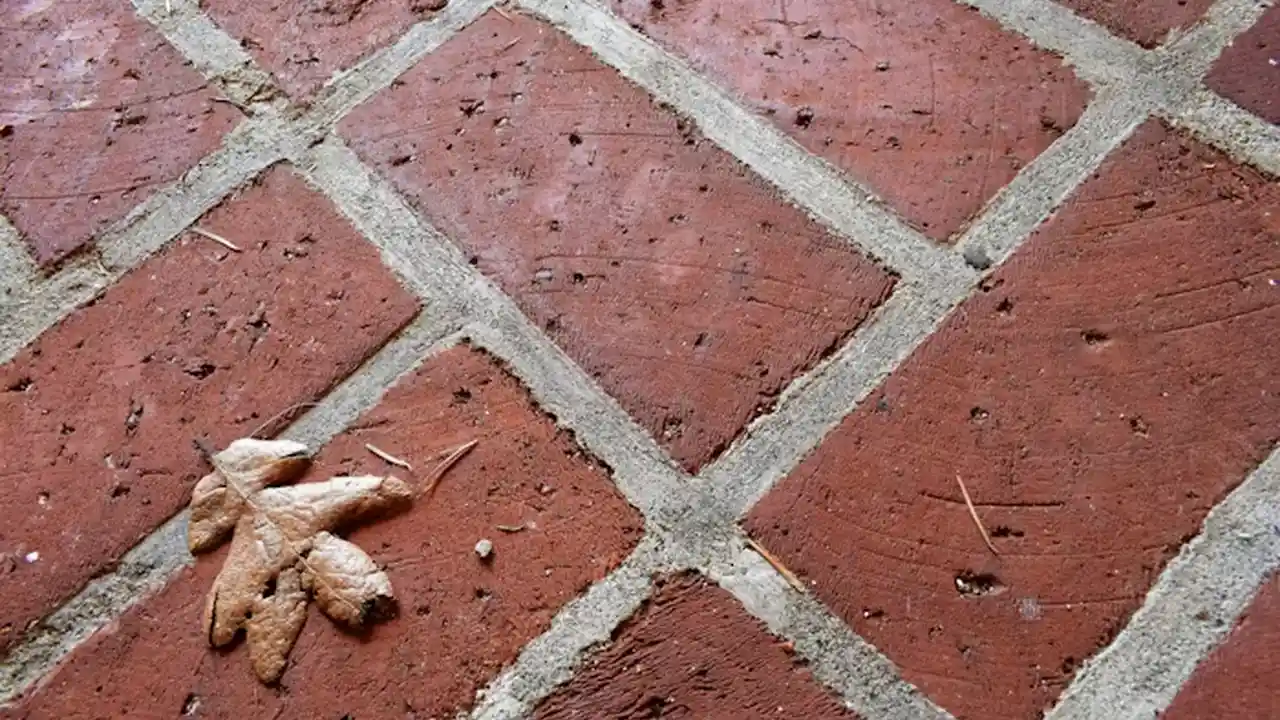
Pavers, whether made from concrete, brick, or natural stone, offer a classic and elegant look that can significantly enhance your outdoor space. They come in a vast array of shapes, sizes, colors, and textures, allowing for intricate patterns and designs.
Advantages of Paver Patio Flooring
- Aesthetic Appeal: Pavers offer a high-end, custom look. You can create unique patterns and designs that are difficult to achieve with other materials.
- Easy Repair: If a paver gets damaged, you can simply remove and replace that single paver, which is much easier and less costly than repairing a cracked concrete slab.
- Flexibility: Pavers are laid on a flexible base of sand and gravel, which allows them to shift slightly with ground movement, making them less prone to cracking than rigid concrete.
- Excellent Drainage: The joints between pavers allow water to drain through, reducing puddling on the surface.
Disadvantages of Paver Patio Surfaces
- Weed Growth: Weeds can sprout between the pavers if the joints aren't properly filled and maintained.
- Unevenness: Over time, individual pavers can settle unevenly, creating an irregular surface. Proper base preparation is crucial to prevent this.
- Higher Initial Cost: Pavers generally have a higher upfront material and installation cost compared to basic concrete.
Paver Patio Installation and Maintenance Tips
Installation involves excavating the area, laying down a compacted gravel base, a layer of sand, then placing the pavers, and finally sweeping polymeric sand into the joints. This sand hardens to lock the pavers in place and deter weeds. Maintenance includes regular sweeping, occasional washing, and reapplying polymeric sand as needed. Sealing pavers can also help protect them from stains and enhance their color.
Recommended Paver Products and Pricing
Leading paver manufacturers include Belgard, Techo-Bloc, and Cambridge Pavers, offering a wide range of styles from traditional brick to modern large-format slabs. Pricing for concrete pavers typically ranges from $10 to $20 per square foot installed, while natural stone pavers (like flagstone or bluestone) can go from $20 to $40+ per square foot, depending on the stone type and complexity of the pattern. Polymeric sand from brands like Alliance Gator is highly recommended for joint stabilization.
Wood Decking The Classic Warmth and Natural Feel
For those who love the natural look and feel of wood, a traditional wood deck is an excellent choice. It brings warmth and a classic aesthetic to any backyard, creating a seamless transition from indoor to outdoor living. Common wood types include pressure-treated pine, cedar, and redwood.
Benefits of Wood Decking
- Natural Beauty: Nothing quite beats the organic look and feel of real wood. It blends beautifully with natural surroundings.
- Comfort Underfoot: Wood is generally softer and cooler underfoot than concrete or pavers, making it more comfortable for bare feet.
- Elevated Structure: Decks can be built over uneven terrain or to extend living space from an elevated door, offering design flexibility that slab patios can't.
- Increased Home Value: A well-built and maintained wood deck can add significant value to your home.
Drawbacks of Wood Decking
- High Maintenance: Wood requires regular maintenance, including cleaning, sanding, staining, or sealing every 1-3 years to protect it from rot, insects, and UV damage.
- Susceptibility to Damage: Wood can splinter, warp, crack, and be susceptible to insect infestation and rot if not properly cared for.
- Shorter Lifespan: Compared to concrete or pavers, wood decks generally have a shorter lifespan, typically 15-20 years, even with good maintenance.
- Slippery When Wet: Some wood surfaces can become quite slippery when wet, especially if algae or moss builds up.
Wood Decking Installation and Maintenance Tips
Building a wood deck involves constructing a frame, attaching ledger boards, installing joists, and then fastening the deck boards. Proper ventilation and drainage are crucial to prevent rot. Maintenance is key: regular cleaning to remove dirt and mildew, and periodic application of a high-quality stain or sealer to protect the wood from moisture and UV rays. Inspect for loose boards or fasteners annually.
Recommended Wood Decking Products and Pricing
For pressure-treated lumber, brands like YellaWood are widely available. Cedar and redwood are premium options known for their natural resistance to rot and insects. Pricing for a pressure-treated wood deck can range from $15 to $35 per square foot, while cedar or redwood can be $25 to $50+ per square foot, depending on the wood grade and complexity of the design. For stains and sealers, consider products from Cabot, Olympic, or Thompson's WaterSeal for excellent protection and finish.
Composite Decking The Low-Maintenance Modern Alternative
Composite decking has surged in popularity as a low-maintenance alternative to traditional wood. Made from a blend of recycled plastic and wood fibers, composite boards offer the look of wood without many of its drawbacks. It's an excellent choice for homeowners seeking durability and minimal upkeep.
Advantages of Composite Decking
- Low Maintenance: This is the biggest selling point. Composite decking doesn't require sanding, staining, or sealing. A simple cleaning with soap and water is usually all it needs.
- Durability and Longevity: It's highly resistant to rot, insects, splintering, warping, and fading. Many manufacturers offer warranties of 25 years or more.
- Eco-Friendly Options: Many composite brands use recycled materials, making them a more sustainable choice.
- Consistent Appearance: Unlike natural wood, composite boards have a consistent color and texture, ensuring a uniform look.
- Slip Resistance: Many composite boards are designed with textured surfaces to provide better traction, even when wet.
Disadvantages of Composite Decking
- Higher Upfront Cost: Composite decking typically has a higher initial material cost than pressure-treated wood.
- Heat Retention: Some darker composite boards can get quite hot in direct sunlight, which might be uncomfortable for bare feet.
- Fading (Older Generations): While modern composites are much better, older generations could sometimes fade or show chalking over time. Always check product reviews and warranties.
- Not as Natural as Wood: While it mimics wood, it doesn't have the exact same natural feel or unique grain patterns of real timber.
Composite Decking Installation and Maintenance Tips
Installation is similar to wood decking in terms of framing, but composite boards often use hidden fastener systems for a cleaner look. It's important to follow manufacturer guidelines for spacing and fastening. Maintenance is minimal: regular cleaning with a deck cleaner or mild soap and water to remove dirt, pollen, and mildew. Avoid abrasive cleaners or pressure washers that are too powerful, as they can damage the surface.
Recommended Composite Decking Products and Pricing
Leading composite decking brands include Trex, AZEK (now TimberTech), and Fiberon. These brands offer a wide range of colors, textures, and price points. Pricing for composite decking can range from $25 to $60+ per square foot installed, depending on the brand, series, and complexity of the deck design. While the initial cost is higher, the long-term savings on maintenance often make it a worthwhile investment.
Choosing Your Perfect Patio Surface Key Considerations
Now that we've explored the four main options, how do you decide which one is right for you? Here are some key factors to consider:
Budgeting for Your Outdoor Space
Your budget will play a significant role. Concrete is generally the most affordable upfront, followed by wood, then pavers, and finally composite decking. However, remember to factor in long-term maintenance costs. A cheaper upfront option might cost more over its lifespan due to ongoing upkeep.
Climate and Weather Resistance
Consider your local climate. If you live in an area with harsh winters and freeze-thaw cycles, concrete needs proper installation and expansion joints to prevent cracking. Wood requires more protection from moisture and UV rays. Pavers and composite decking generally perform well in various climates, but heat retention can be an issue for darker composites in very hot, sunny regions.
Aesthetics and Design Preferences
What kind of look are you going for? Do you prefer the classic, natural warmth of wood, the customizable elegance of pavers, or the sleek, modern versatility of concrete? Composite decking offers a wood-like appearance with modern benefits. Think about how the patio will integrate with your home's architecture and existing landscaping.
Maintenance Commitment and Lifestyle
Be honest with yourself about how much time and effort you're willing to put into maintenance. If you want a truly low-maintenance option, composite decking or sealed concrete are excellent choices. If you don't mind annual staining or sealing, wood can be a beautiful option. Pavers require some attention to weed control and joint sand.
DIY vs Professional Installation
Some options are more DIY-friendly than others. Pouring a large concrete slab or building a complex deck frame often requires professional expertise. Laying pavers can be a challenging but rewarding DIY project for those with patience and proper tools. Simple concrete staining or sealing can be done by homeowners. Always assess your skill level and available time before committing to a DIY project.
Final Thoughts on Patio Flooring Choices
Ultimately, the best patio flooring option for you depends on a blend of your budget, aesthetic preferences, maintenance tolerance, and local climate. Each of the four popular choices – concrete, pavers, wood decking, and composite decking – offers unique advantages and disadvantages. By carefully weighing these factors and considering the product recommendations and pricing information provided, you'll be well-equipped to choose the perfect outdoor surface that you'll enjoy for years to come. Happy patio planning!
:max_bytes(150000):strip_icc()/277019-baked-pork-chops-with-cream-of-mushroom-soup-DDMFS-beauty-4x3-BG-7505-5762b731cf30447d9cbbbbbf387beafa.jpg)