Comparing 5 Types of Garden Soil for Optimal Growth
Compare 5 popular types of garden soil to ensure optimal plant growth. Choose the best soil for your specific gardening needs.
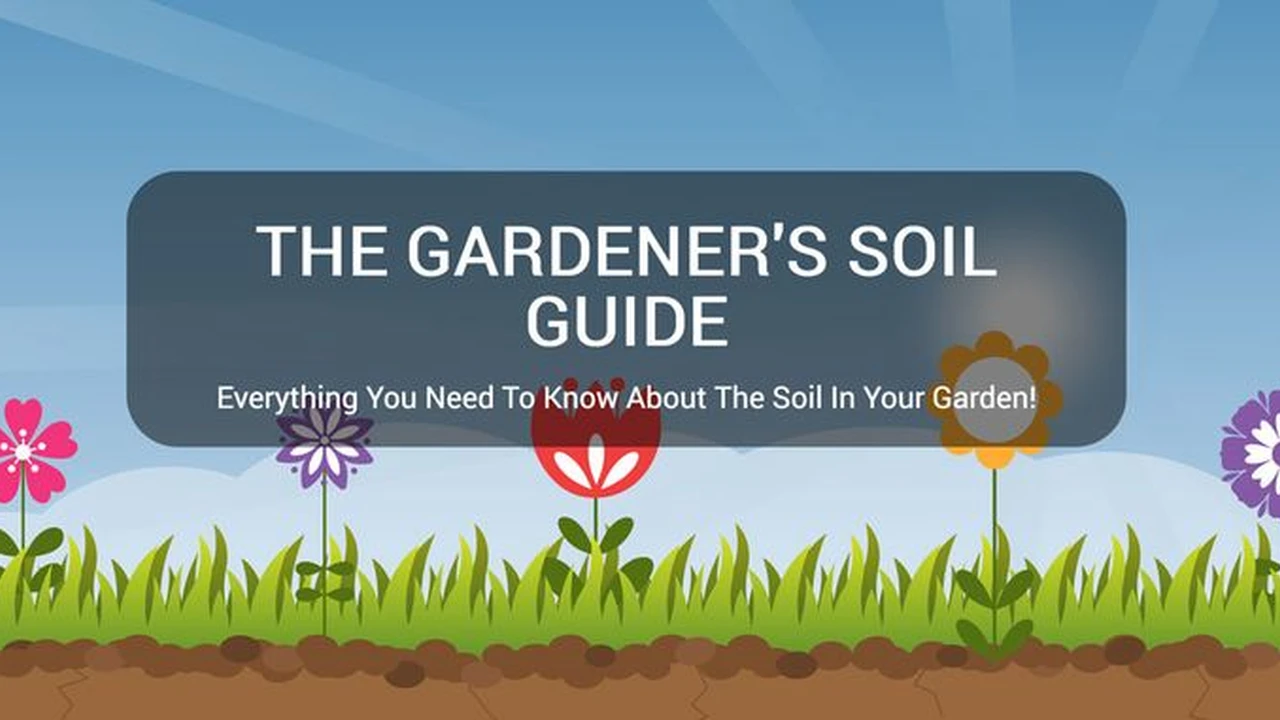
Compare 5 popular types of garden soil to ensure optimal plant growth. Choose the best soil for your specific gardening needs.
Comparing 5 Types of Garden Soil for Optimal Growth
Hey there, fellow green thumbs! Ever wondered why some plants thrive in one spot and just… don't in another? Often, the secret lies beneath the surface: the soil. Getting your soil right is like laying the perfect foundation for your dream home – it makes all the difference. Today, we're diving deep into the dirt, comparing five popular types of garden soil to help you pick the absolute best for your specific gardening needs. We'll talk about what makes each type tick, what plants love them, and even recommend some products to get you started. Let's dig in!
Understanding Garden Soil Basics What Your Plants Really Need
Before we get into the nitty-gritty of different soil types, let's quickly cover what makes good soil. Think of it as a balanced diet for your plants. They need:
- Nutrients: Essential elements like nitrogen, phosphorus, and potassium (N-P-K) for growth, flowering, and fruiting.
- Drainage: Water needs to flow through, but not too quickly. Roots hate sitting in soggy conditions.
- Water Retention: The soil needs to hold onto enough moisture so plants don't dry out too fast.
- Aeration: Roots need oxygen to breathe, so soil shouldn't be too compacted.
- pH Level: This measures how acidic or alkaline your soil is. Different plants prefer different pH ranges.
- Organic Matter: Decomposed plant and animal material that improves soil structure, fertility, and water retention. It's the good stuff!
Most garden soils are a mix of three main particles: sand, silt, and clay. The proportion of these determines the soil's texture and how it behaves. Now, let's explore the contenders!
1 Loamy Soil The Gardener's Gold Standard
If soil types were royalty, loam would wear the crown. It's often considered the ideal garden soil because it strikes a perfect balance between sand, silt, and clay, usually with a good amount of organic matter mixed in. This magical combination gives it all the qualities plants crave.
Characteristics of Loamy Soil Why It's So Good
- Texture: It feels soft, crumbly, and slightly gritty, but not too sandy. When you squeeze a handful, it forms a ball but easily breaks apart.
- Drainage: Excellent. Water drains well, preventing root rot.
- Water Retention: Good. It holds enough moisture for plants without becoming waterlogged.
- Aeration: Superb. The balanced particle size creates plenty of air pockets for roots.
- Nutrient Retention: High. It holds onto nutrients well, making them available to plants.
- Workability: Easy to dig, cultivate, and plant in.
Best Plants for Loamy Soil What Thrives Here
Almost everything! Vegetables, fruits, flowers, shrubs, trees – you name it. Loamy soil is incredibly versatile. If you have loamy soil, consider yourself lucky!
Product Recommendations for Loamy Soil Enhancements
Even perfect soil can benefit from a boost. If your existing soil is already loamy, you might just need to replenish organic matter annually.
- Compost: Adding a 1-2 inch layer of good quality compost (like Black Gold Garden Compost Blend, typically $8-12 for a 1.5 cu ft bag) annually will keep your loam rich and fertile. It's a slow-release nutrient powerhouse.
- Worm Castings: For an extra kick of microbial activity and nutrients, worm castings (e.g., Worm Castings Organic Fertilizer, around $20-30 for a 15 lb bag) are fantastic. Use them as a top dressing or mix into planting holes.
2 Sandy Soil Quick Draining and Easy to Work With
Sandy soil is characterized by a high proportion of sand particles, which are the largest soil particles. This gives it a very loose, gritty texture.
Characteristics of Sandy Soil The Pros and Cons
- Texture: Gritty, loose, and falls apart easily. Doesn't form a ball when squeezed.
- Drainage: Excellent, sometimes too excellent. Water drains very quickly.
- Water Retention: Poor. It struggles to hold onto moisture.
- Aeration: Very good due to large air pockets.
- Nutrient Retention: Poor. Nutrients leach out quickly with water.
- Workability: Very easy to dig and cultivate, doesn't compact easily.
Best Plants for Sandy Soil Who Likes It Dry
Plants that prefer well-drained conditions and don't mind a bit of a nutrient hunt. Think Mediterranean herbs, succulents, cacti, root vegetables (carrots, potatoes), and some drought-tolerant flowers like lavender and coneflowers.
Product Recommendations for Improving Sandy Soil
The key here is to improve water and nutrient retention. You need to add organic matter!
- Compost: Lots of it! Mix in several inches of well-rotted compost (e.g., Miracle-Gro Organic Choice Garden Soil, around $10-15 for a 1.5 cu ft bag, which often has a good compost base) to help sandy soil hold water and nutrients.
- Peat Moss: While not a nutrient source, peat moss (e.g., Espoma Organic Peat Moss, $15-25 for a 2.2 cu ft bale) is excellent for improving water retention in sandy soils. Use it sparingly and mix thoroughly.
- Coconut Coir: A sustainable alternative to peat moss, coir (e.g., Hydrofarm Coco Coir Brick, $10-15 for a 10 lb brick that expands significantly) also dramatically improves water holding capacity.
- Vermiculite: This lightweight mineral (e.g., Hoffman Horticultural Vermiculite, $15-20 for an 8 qt bag) helps sandy soil retain both water and nutrients, and improves aeration.
3 Clay Soil Rich in Nutrients but Challenging to Work With
Clay soil has the smallest particles, which pack together tightly. This gives it a heavy, dense feel.
Characteristics of Clay Soil The Good and the Bad
- Texture: Sticky when wet, hard and clumpy when dry. Forms a dense, smooth ball when squeezed.
- Drainage: Poor. Water drains very slowly, leading to waterlogging.
- Water Retention: Excellent. Holds a lot of water, but often too much.
- Aeration: Poor. Tightly packed particles leave little room for air.
- Nutrient Retention: Very high. Clay particles have a negative charge, attracting and holding onto positively charged nutrient ions.
- Workability: Difficult to dig and cultivate, especially when wet or dry. Can compact easily.
Best Plants for Clay Soil Who Likes a Challenge
Plants that can tolerate heavy, moist conditions and appreciate the high nutrient content. Many trees and shrubs (oaks, dogwoods), some perennials (hostas, astilbes), and certain vegetables (cabbage, broccoli) can do well. Just be sure to amend it!
Product Recommendations for Improving Clay Soil
The goal here is to break up the dense structure and improve drainage and aeration.
- Compost: Again, compost is your best friend! Incorporate large amounts (several inches) of well-rotted compost (e.g., Kellogg Garden Organics Amend Garden Soil, around $10-15 for a 1.5 cu ft bag, specifically designed for heavy soils) to improve structure and drainage.
- Gypsum: For very heavy clay, gypsum (e.g., Espoma Organic Soil Perfector, $15-20 for a 6 lb bag) can help aggregate clay particles, improving drainage. It's not a magic bullet, but it can assist.
- Perlite: This volcanic rock (e.g., Miracle-Gro Perlite, $10-15 for an 8 qt bag) is excellent for improving aeration and drainage in heavy soils. Mix it in thoroughly.
- Coarse Sand: While adding sand to clay can sometimes create concrete if not done correctly, adding a significant amount of coarse, sharp sand along with plenty of organic matter can help. Be cautious and always add organic matter too.
4 Silty Soil The Smooth Operator
Silty soil is made up predominantly of silt particles, which are medium-sized, falling between sand and clay. It often feels smooth and powdery.
Characteristics of Silty Soil A Balanced Performer
- Texture: Smooth, flour-like, and powdery when dry. Feels slippery when wet. Forms a ball when squeezed, but it's less sticky than clay.
- Drainage: Moderate. Better than clay, but not as fast as sand. Can become compacted.
- Water Retention: Good. Holds moisture well.
- Aeration: Moderate. Can be improved with organic matter.
- Nutrient Retention: Good. Better than sand, not as high as clay.
- Workability: Generally easy to work with, but can compact if walked on when wet.
Best Plants for Silty Soil Versatile and Productive
Silty soil is quite fertile and can support a wide range of plants, similar to loam, especially if organic matter is regularly added. Many vegetables, fruits, and flowers will do well.
Product Recommendations for Silty Soil Maintenance
Silty soil is pretty good already, but regular additions of organic matter will prevent compaction and maintain fertility.
- Compost: Regular top-dressing with compost (e.g., Coast of Maine Organic & Natural Compost, $12-18 for a 1.5 cu ft bag) will keep silty soil healthy and prevent it from becoming too dense.
- Cover Crops: Planting cover crops (e.g., clover, vetch) in off-seasons and tilling them into the soil is a fantastic way to add organic matter and improve soil structure naturally.
5 Peaty Soil Acidic and Moisture-Rich
Peaty soil is characterized by a high content of organic matter, often partially decomposed plant material, giving it a dark, spongy texture. It's naturally acidic.
Characteristics of Peaty Soil Unique and Demanding
- Texture: Dark, spongy, and feels soft. Forms a ball easily.
- Drainage: Can vary. If very dense, it can be poor; if well-structured, it can be good.
- Water Retention: Excellent. Holds a lot of water.
- Aeration: Can be good if not overly compacted, but can also be poor.
- Nutrient Retention: Good, but often low in certain nutrients due to its acidic nature.
- Workability: Easy to dig, but can be very wet.
Best Plants for Peaty Soil Acid Lovers Unite
Plants that thrive in acidic conditions and appreciate consistent moisture. Think blueberries, rhododendrons, azaleas, camellias, ferns, and some carnivorous plants. Many conifers also do well.
Product Recommendations for Peaty Soil Adjustments
The main challenge with peaty soil is its acidity and sometimes its density.
- Lime: If you want to grow plants that prefer a more neutral pH, you'll need to add agricultural lime (e.g., Espoma Organic Garden Lime, $10-15 for a 6.75 lb bag) to raise the pH. Do a soil test first to determine how much.
- Compost or Sand: To improve drainage and aeration if the peat is too dense, mix in some coarse sand or well-rotted compost.
- Balanced Fertilizer: Since peaty soils can be low in certain nutrients, a balanced organic fertilizer (e.g., Jobe's Organics All-Purpose Granular Fertilizer, $15-20 for a 4 lb bag) can be beneficial.
Soil Testing Your First Step to a Thriving Garden
Before you start amending your soil, the absolute best thing you can do is a soil test. This will tell you exactly what kind of soil you have, its pH, and its nutrient levels. You can get a DIY kit (e.g., Luster Leaf Rapitest Soil Test Kit, around $15-25) or send a sample to your local agricultural extension office for a more comprehensive analysis (costs vary, usually $20-50).
Comparing Soil Amendments What to Use When
Let's quickly compare some common soil amendments and their best uses:
Compost The Universal Enhancer
- Use Case: Improves all soil types. Adds organic matter, nutrients, improves drainage in clay, improves water retention in sand.
- Cost: Relatively inexpensive, especially if you make your own. Bagged options $8-18 per 1.5 cu ft.
- Recommendation: Always add compost!
Peat Moss and Coconut Coir Water Retention Boosters
- Use Case: Primarily for sandy soils to improve water retention. Coir is more sustainable.
- Cost: Peat moss $15-25 per bale; Coir $10-15 per brick.
- Recommendation: Great for sandy soils, but remember they don't add many nutrients.
Perlite and Vermiculite Aeration and Drainage Aids
- Use Case: Perlite for improving drainage and aeration in heavy soils. Vermiculite for both aeration and water/nutrient retention, especially in sandy soils or potting mixes.
- Cost: $10-20 per 8 qt bag.
- Recommendation: Essential for container gardening and improving challenging native soils.
Gypsum Clay Breaker
- Use Case: Helps to aggregate clay particles, improving drainage in very heavy clay soils.
- Cost: $15-20 per 6 lb bag.
- Recommendation: Use after a soil test confirms heavy clay and compaction issues.
Lime pH Adjuster
- Use Case: Raises the pH of acidic soils (like peaty soils) to make them more alkaline.
- Cost: $10-15 per 6.75 lb bag.
- Recommendation: Only use after a soil test indicates low pH and you want to grow non-acid-loving plants.
Putting It All Together Creating Your Ideal Garden Bed
So, you've identified your soil type and know what you want to grow. Here's a general approach:
- Test Your Soil: Seriously, don't skip this step.
- Clear the Area: Remove weeds, rocks, and debris.
- Add Organic Matter: This is the most crucial step for almost all soil types. For sandy or clay soils, aim for a 3-6 inch layer of compost spread over the surface. For loamy or silty soils, 1-2 inches is usually sufficient.
- Incorporate Amendments: If your soil test suggests specific needs (e.g., gypsum for heavy clay, lime for acidic peat), now's the time to add them. Spread them evenly.
- Dig It In: Use a garden fork or tiller to thoroughly mix the organic matter and amendments into the top 6-12 inches of your existing soil. This isn't just about adding; it's about integrating.
- Let It Settle: If possible, let the bed sit for a week or two before planting to allow the soil to settle and microbial activity to begin.
- Mulch: Once planted, a layer of organic mulch (like wood chips or straw) will help retain moisture, suppress weeds, and slowly add more organic matter as it breaks down.
Remember, soil improvement is an ongoing process, not a one-time fix. Regularly adding organic matter will keep your garden soil healthy and productive for years to come. Happy gardening!
:max_bytes(150000):strip_icc()/277019-baked-pork-chops-with-cream-of-mushroom-soup-DDMFS-beauty-4x3-BG-7505-5762b731cf30447d9cbbbbbf387beafa.jpg)