Comparing 4 Popular Flooring Options for Living Areas
Compare the 4 most popular flooring options for living areas for durability, style, and comfort. Find the best floor for your home.
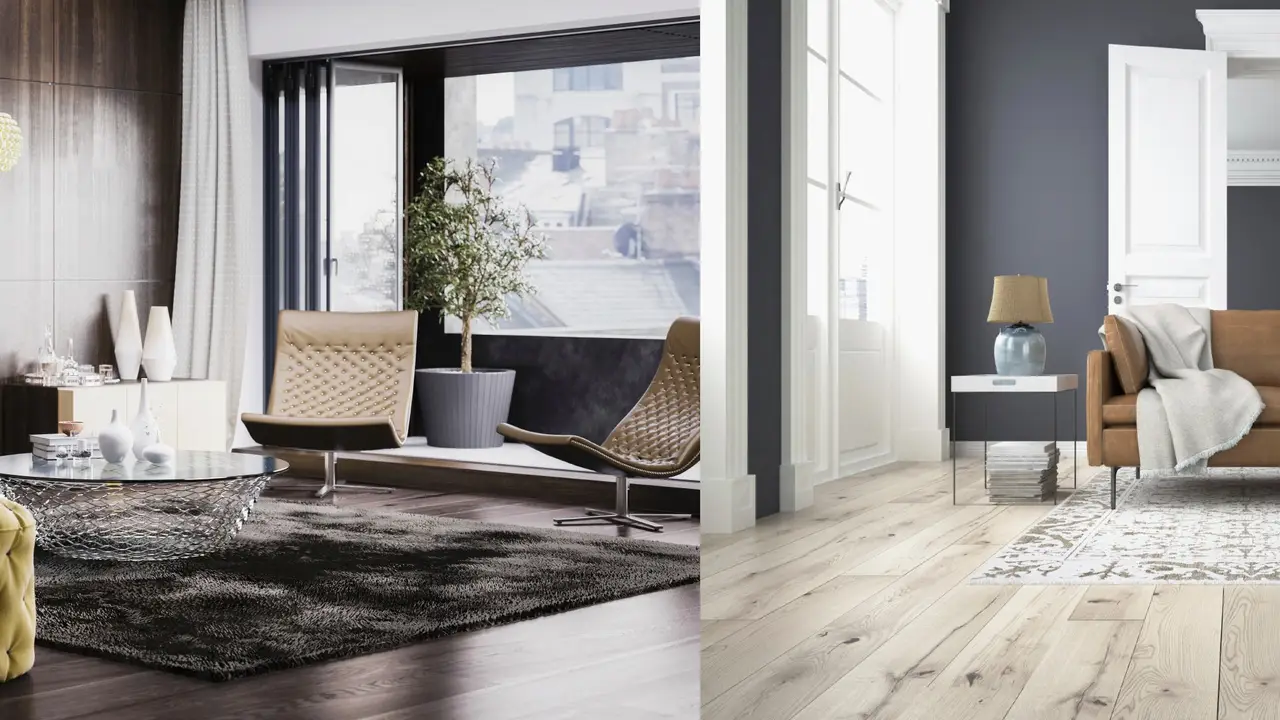
Compare the 4 most popular flooring options for living areas for durability, style, and comfort. Find the best floor for your home.
Comparing 4 Popular Flooring Options for Living Areas
Hey there, fellow homeowners and DIY enthusiasts! So, you're looking to spruce up your living area, huh? Maybe that old carpet has seen better days, or perhaps you're just craving a fresh, modern look. Whatever your reason, choosing the right flooring is a huge decision. It's not just about aesthetics; it's about durability, comfort, maintenance, and, let's be real, your budget. Today, we're diving deep into four of the most popular flooring options for living areas: hardwood, laminate, luxury vinyl plank (LVP), and carpet. We'll break down the pros and cons, talk about specific products, and even give you a ballpark idea of what you're looking at price-wise. Let's get started!
Hardwood Flooring The Timeless Classic for Living Rooms
Ah, hardwood. There's just something about the natural beauty and warmth of real wood that screams elegance and comfort. It's a classic for a reason, and it can seriously boost your home's value. But is it the right choice for your living area?
Pros of Hardwood Flooring for Living Spaces
- Aesthetics and Value: Hardwood offers unmatched natural beauty, warmth, and character. It's a timeless look that never goes out of style and is a big selling point for potential buyers.
- Durability and Longevity: With proper care, hardwood floors can last for decades, even centuries! They can be refinished multiple times to remove scratches and wear, essentially giving you a 'new' floor without replacement.
- Hypoallergenic: Unlike carpet, hardwood doesn't trap dust, pollen, or pet dander, making it a great choice for allergy sufferers.
- Easy to Clean: A quick sweep or vacuum, and a damp mop, is usually all it takes to keep them looking great.
Cons of Hardwood Flooring in High Traffic Areas
- Cost: Hardwood is generally the most expensive option upfront, both for materials and installation.
- Susceptibility to Damage: It can scratch, dent, and warp from moisture. Heavy furniture, pet claws, and spilled liquids are all potential threats.
- Maintenance: While easy to clean, it requires specific cleaning products and can be sensitive to excessive moisture. Regular refinishing might be needed over time, which can be a messy and costly process.
- Noise: Hardwood can be noisy, especially with foot traffic or if you have pets.
Recommended Hardwood Products and Scenarios
When it comes to hardwood, you've got options like solid hardwood and engineered hardwood. Solid hardwood is pure wood throughout, while engineered hardwood has a real wood veneer over a plywood core, making it more stable and less prone to warping in humid environments.
- Solid Hardwood: Ideal for living areas where you want maximum longevity and the ability to refinish many times. Brands like Shaw Floors and Mohawk offer a wide range of solid oak, maple, and hickory options. For example, a 3/4 inch solid oak plank from Shaw could run you anywhere from $6 to $12 per square foot for materials alone. Installation can add another $3 to $8 per square foot.
- Engineered Hardwood: A great choice for living areas, especially if you live in a climate with fluctuating humidity or if you're considering installing over concrete. Armstrong Flooring and Mannington have excellent engineered hardwood lines. Mannington's 'Adura Max' engineered wood, for instance, might be around $5 to $10 per square foot for materials, with similar installation costs to solid hardwood.
Best Scenario: If you have a higher budget, value timeless elegance, and are prepared for careful maintenance, hardwood is a fantastic investment for a formal living room or a main family area that isn't prone to excessive spills or heavy pet traffic.
Laminate Flooring The Budget-Friendly Hardwood Alternative
Laminate flooring has come a long way! It's no longer that cheap-looking, easily damaged stuff from years ago. Modern laminate offers incredibly realistic wood and stone looks at a fraction of the cost of the real thing.
Pros of Laminate Flooring for Active Living Areas
- Affordability: Significantly cheaper than hardwood, making it a great option for budget-conscious homeowners.
- Durability: The wear layer on good quality laminate is highly resistant to scratches, dents, and fading, making it suitable for high-traffic living areas and homes with pets and kids.
- Easy Installation: Many laminate products feature a click-and-lock system, making it a popular choice for DIYers.
- Low Maintenance: Easy to clean with a broom, vacuum, or damp mop.
- Variety: Available in a vast array of styles, colors, and patterns, mimicking everything from exotic hardwoods to natural stone.
Cons of Laminate Flooring in Moist Environments
- Water Damage: Laminate is primarily wood-based, so it's highly susceptible to water damage. Spills need to be cleaned up immediately, and it's generally not recommended for bathrooms or laundry rooms.
- Cannot be Refinished: Once the wear layer is damaged, the entire plank needs to be replaced.
- Less Authentic Feel: While visuals are great, it doesn't have the same natural feel or sound as real wood.
- Noise: Can sound hollow or clicky underfoot, though underlayment can help mitigate this.
Recommended Laminate Products and Scenarios
When choosing laminate, look for a high AC (Abrasion Class) rating, especially for living areas. AC3 is good for residential use, while AC4 and AC5 are even more durable.
- Pergo Outlast+ with SpillProtect: This is a fantastic option for living areas, especially if you have kids or pets. It boasts superior scratch and dent resistance and, crucially, offers enhanced water resistance for up to 24 hours. A box of Pergo Outlast+ can cost around $2.50 to $4.50 per square foot. Installation, if you're not DIYing, might add another $2 to $5 per square foot.
- Mohawk RevWood Plus: Another excellent choice, offering extreme durability and water protection. It's designed to withstand everyday spills and splashes. Expect to pay around $3 to $5.50 per square foot for materials.
Best Scenario: Laminate is perfect for busy family living rooms, playrooms, or any living area where you want the look of hardwood without the high cost or the worry of minor spills. It's also a great DIY-friendly option.
Luxury Vinyl Plank LVP The Waterproof Wonder for Family Rooms
Luxury Vinyl Plank, or LVP, is a game-changer in the flooring world. It's incredibly versatile, durable, and, most importantly for many homeowners, waterproof! It's quickly becoming a top contender for living areas, especially those connected to kitchens or entryways.
Pros of LVP Flooring for High Moisture Living Areas
- Waterproof: This is LVP's biggest selling point. It's completely waterproof, making it ideal for homes with kids, pets, or in humid climates.
- Durability: LVP is highly resistant to scratches, dents, and scuffs. Its layered construction provides excellent stability.
- Realistic Appearance: Modern LVP can incredibly mimic the look and texture of real wood and stone, often fooling even a trained eye.
- Comfort Underfoot: It's generally softer and warmer underfoot than hardwood or tile, thanks to its resilient core.
- Easy Maintenance: Simple to clean with a broom, vacuum, or wet mop.
- Easy Installation: Many LVP products are click-and-lock, making them DIY-friendly.
Cons of LVP Flooring in Direct Sunlight
- Cost: While generally less expensive than hardwood, high-quality LVP can be comparable to or even exceed the cost of some engineered hardwoods.
- Cannot be Refinished: Like laminate, LVP cannot be refinished. Damaged planks need to be replaced.
- Less Eco-Friendly: Being a synthetic product, it's not as environmentally friendly as natural hardwood.
- Fading: Prolonged exposure to direct sunlight can cause some LVP products to fade over time.
Recommended LVP Products and Scenarios
When selecting LVP, pay attention to the wear layer thickness (measured in mils) and the overall plank thickness. A thicker wear layer (20 mil or more) means better durability.
- Coretec Plus: This brand is a leader in the rigid core LVP market. Coretec Plus features a waterproof core and an attached cork underlayment for added comfort and sound absorption. It's incredibly durable and comes in a wide range of realistic wood and stone looks. Expect to pay around $4 to $8 per square foot for materials. Professional installation might add $2 to $6 per square foot.
- Shaw Floorte Pro: Another excellent waterproof LVP option known for its durability and realistic visuals. Shaw Floorte Pro offers various collections with different wear layer thicknesses. Prices typically range from $3.50 to $7 per square foot for materials.
- Mannington Adura Max: Similar to Coretec, Adura Max offers a rigid core and attached pad, providing superior dent resistance and sound dampening. Material costs are usually in the $4 to $7.50 per square foot range.
Best Scenario: LVP is ideal for active living areas, homes with pets and young children, or any space where moisture is a concern (e.g., open-concept living areas connected to a kitchen or entryway). It offers the best of both worlds: the look of wood with the resilience of vinyl.
Carpet The Cozy Comfort King for Lounging Areas
For sheer comfort and warmth, nothing beats carpet. It's the go-to choice for creating a soft, inviting atmosphere in a living area, perfect for lounging, playing, or just relaxing.
Pros of Carpet Flooring for Comfortable Living Spaces
- Comfort and Warmth: Carpet is soft underfoot, provides insulation, and makes a room feel cozy and inviting.
- Sound Absorption: It's excellent at absorbing sound, reducing echoes and making a room quieter. This is a huge plus for media rooms or open-plan living areas.
- Safety: Provides a softer landing in case of falls, which is great for homes with young children or elderly residents.
- Affordability: Generally the least expensive flooring option, especially for materials.
- Variety: Available in an endless array of colors, patterns, textures, and pile heights to match any decor.
Cons of Carpet Flooring in High Traffic Zones
- Maintenance: Can be difficult to clean, especially with spills and stains. It traps dust, allergens, and pet dander, requiring regular vacuuming and professional cleaning.
- Durability: Over time, carpet can show wear patterns, matting, and fading, especially in high-traffic areas.
- Allergens: Can harbor allergens, making it less suitable for people with severe allergies or asthma.
- Lifespan: Generally has a shorter lifespan than hard surface flooring options.
Recommended Carpet Products and Scenarios
When choosing carpet, consider the fiber type (nylon, polyester, wool), pile height, and density. Nylon is known for its durability, while polyester offers great stain resistance.
- Stainmaster PetProtect Carpet: If you have pets, this is a fantastic choice. It's designed to resist pet stains and odors, and it's incredibly durable. Stainmaster carpets can range from $2 to $5 per square foot for materials, with installation adding another $1.50 to $3 per square foot.
- Mohawk SmartStrand: Known for its exceptional stain resistance and durability, SmartStrand is made from triexta fiber, which is inherently stain-proof. It's a great option for busy family living rooms. Material costs typically fall between $2.50 and $6 per square foot.
- Shaw LifeGuard Carpet: This carpet features a waterproof backing, preventing spills from soaking through to the subfloor, which is a huge advantage for living areas. Prices are similar to other premium carpets, around $2.50 to $5.50 per square foot.
Best Scenario: Carpet is ideal for bedrooms, formal living rooms where comfort is paramount, or any area where you want to reduce noise and add a soft, warm feel. It's particularly good for homes with young children who spend a lot of time playing on the floor.
Making Your Flooring Decision Key Considerations for Homeowners
Choosing the right flooring for your living area really boils down to a few key factors. Think about your lifestyle, your budget, and the overall aesthetic you're going for.
Lifestyle and Usage How You Live Matters
- Pets and Kids: If you have furry friends or little ones, durability and stain resistance are paramount. LVP and high-quality laminate are often excellent choices. Some carpets, like Stainmaster PetProtect, are also specifically designed for pet households. Hardwood can work, but be prepared for potential scratches and dents.
- Traffic Levels: How much foot traffic does your living area see? A formal living room might handle hardwood better than a bustling family room that doubles as a play area.
- Moisture Exposure: Is your living area connected to an entryway where wet shoes might track in water? Or is it an open concept with a kitchen? LVP's waterproof nature makes it a strong contender here.
Budgeting for Your Flooring Project Material and Installation Costs
Always factor in both material costs and installation. While some options like laminate and LVP are DIY-friendly, professional installation ensures a flawless finish and can save you headaches in the long run. Don't forget about underlayment, trim, and potential subfloor repairs, which can add to the overall cost.
Aesthetics and Style Matching Your Home Decor
Consider the overall style of your home. Do you want a modern, minimalist look? A rustic farmhouse vibe? Or something more traditional? Hardwood offers classic elegance, while LVP and laminate can mimic a wide range of styles. Carpet provides endless color and texture options to complement any decor.
Maintenance and Longevity Keeping Your Floors Looking Great
Be realistic about how much time and effort you're willing to put into maintenance. Hardwood requires specific care and occasional refinishing. Carpet needs regular vacuuming and professional cleaning. Laminate and LVP are generally the easiest to maintain. Think about how long you want your floors to last. Hardwood can last a lifetime, while carpet typically has a shorter lifespan.
Ultimately, there's no single 'best' flooring option for every living area. It's about finding the perfect balance that suits your family's needs, your aesthetic preferences, and your budget. Take your time, get samples, and don't be afraid to ask questions. Happy flooring hunting!
:max_bytes(150000):strip_icc()/277019-baked-pork-chops-with-cream-of-mushroom-soup-DDMFS-beauty-4x3-BG-7505-5762b731cf30447d9cbbbbbf387beafa.jpg)